 EN
How to Assess Production Efficiency at a PP Woven Bag Factory
Discover the 4 critical production metrics—throughput, defect rate, equipment uptime & on-time delivery—to vet factories confidently.

2026/09/01
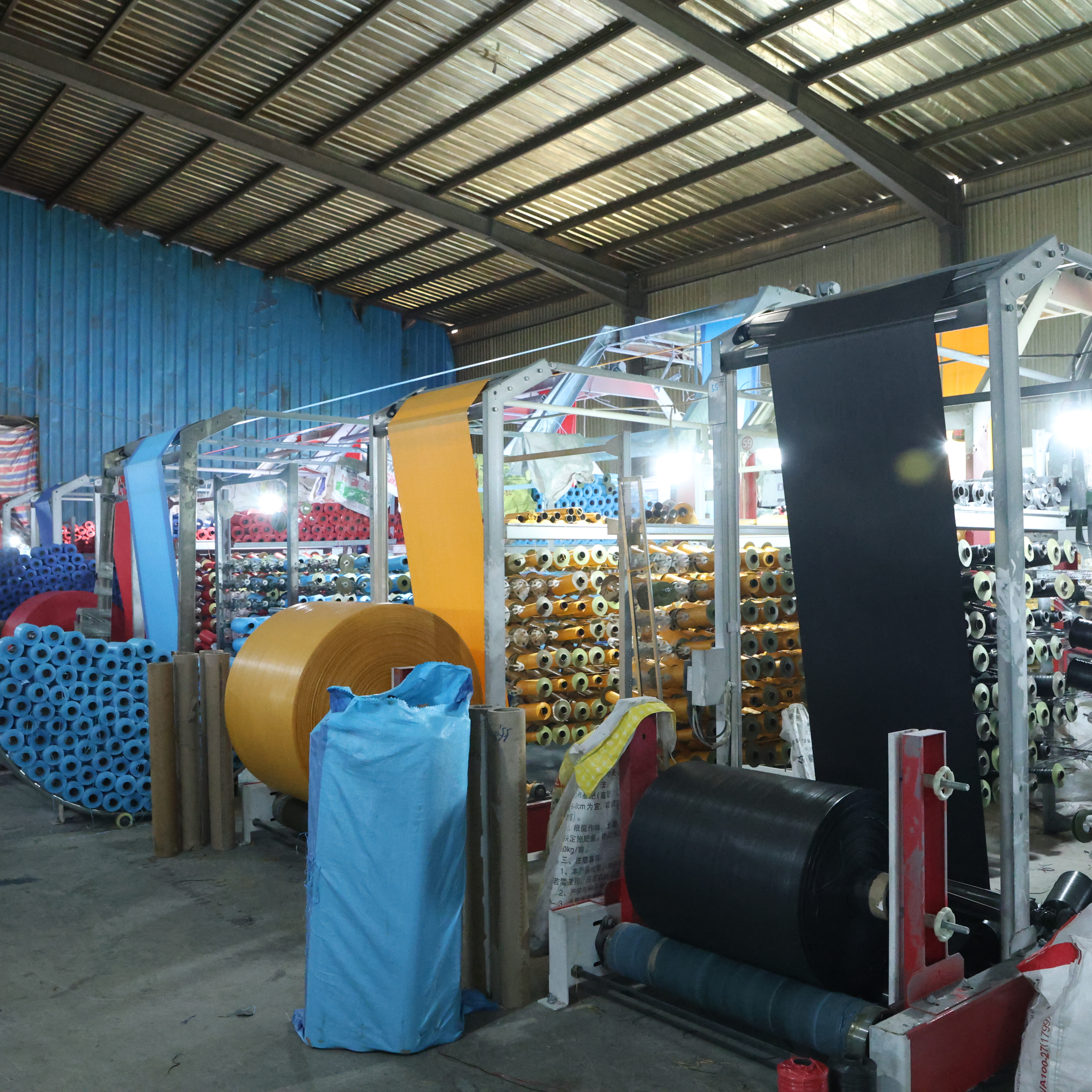
Inconsistent bag dimensions across supplier batches represent one of the most frustrating quality challenges in packaging operations. When bags arrive with varying widths, heights, gusset depths, or seam placements, production lines stall, customer complaints mount, and costs escalate quickly. This issue strikes manufacturers, distributors, and retailers who depend on reliable packaging to protect products and maintain brand standards. Understanding the root causes and implementing systematic corrections with your PP woven bag supplier transforms quality control from reactive firefighting into proactive partnership.
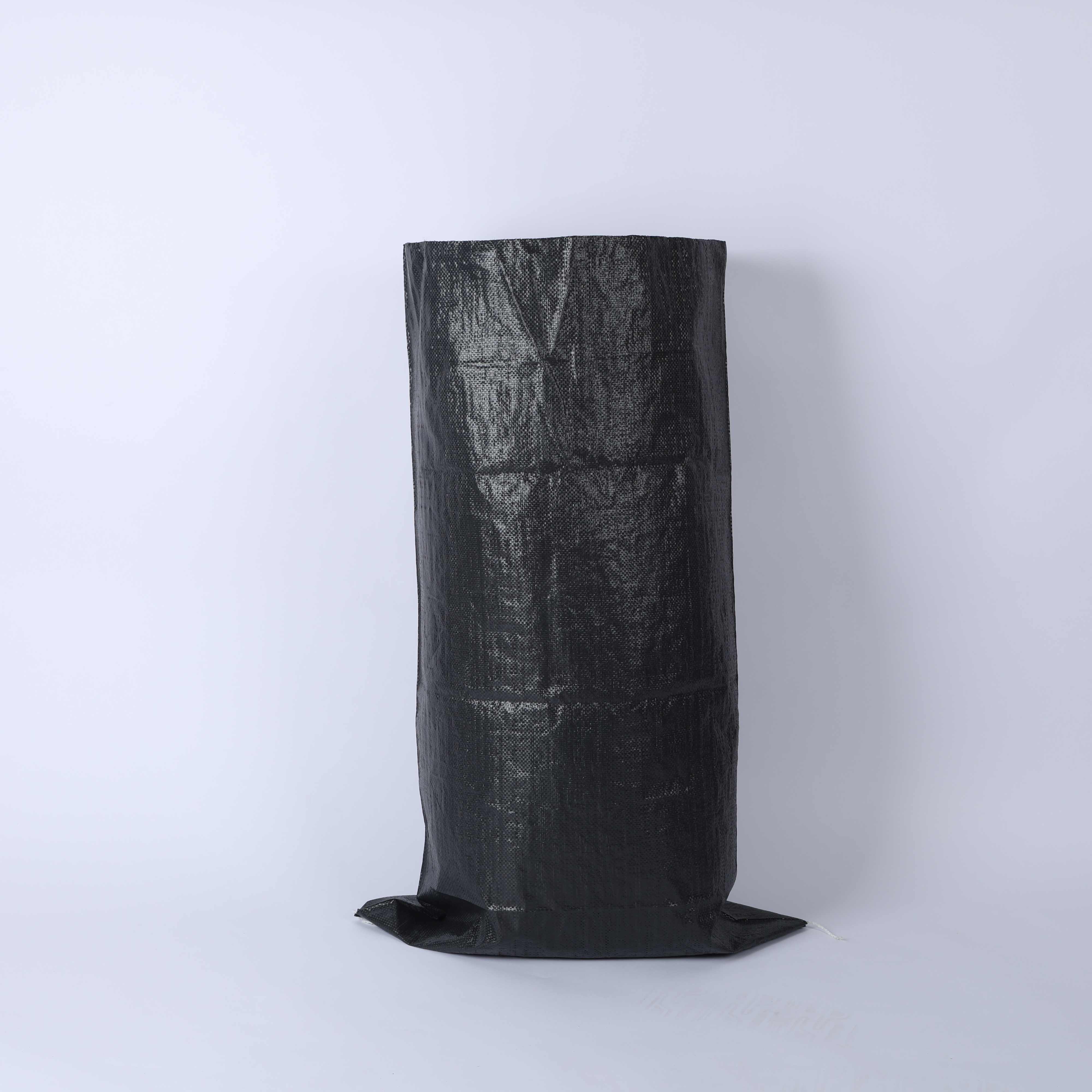
Dimension variance stems from equipment calibration drift, material shrinkage differences, process documentation gaps, and supplier staffing changes. When ordering pp bag export shipments or bulk woven bag supply, specifications must be crystal clear, verification methods standardized, and communication channels direct. This guide walks through practical diagnosis techniques, supplier collaboration strategies, and measurement protocols that prevent dimension creep from damaging your operations.
Industrial woven bag production relies on precise machinery settings for cutting, weaving, sealing, and finishing. When a woven bag wholesale supplier operates equipment without regular calibration checks, tolerances gradually shift. Cutting blades dull, conveyor speeds drift, and thermal seal temperatures fluctuate, each contributing to measurable dimension changes. A pp woven bag factory with preventive maintenance schedules catches these drift patterns before they affect entire production runs.
Most dimension problems emerge gradually across multiple batches rather than appearing suddenly in one shipment. This gradual shift suggests equipment drift rather than isolated operator error. Request that your supplier document machine calibration dates, maintenance logs, and calibration certificates. Many bulk woven bag supply operations fail to share this documentation proactively, so requesting it signals quality seriousness and often triggers better internal tracking.
Polypropylene fabric shrinks during the finishing and cooling process, but shrinkage rates vary based on material source, fiber denier, weave density, and environmental conditions during production. When a pp bag export supplier sources polypropylene from different mills or uses material from inventory aged under varying humidity, shrinkage variance multiplies batch-to-batch inconsistency. Temperature and humidity during fabric drying dramatically influence final dimensions, yet many woven bag wholesale operators treat these as uncontrolled variables.
Cross-batch dimension variance often correlates with seasonal production timing or material supplier changes. Ask your woven bag wholesale partner whether they track material source, production date, and finishing environment for each batch. This traceability reveals whether dimension changes align with material lot transitions, helping isolate whether the problem originates in raw materials or processing equipment.
Dimension disputes arise when measurement methodologies differ between your operations and your pp woven bag factory. Different measurement points, tension applied during measurement, and timing of measurement relative to production create artificial variance. Establish a shared measurement protocol specifying exactly where width, height, and gusset measurements occur on the finished bag. Document whether measurements happen immediately after production or after bags have rested overnight, as bags can relax or tighten slightly with time.
Most bulk woven bag supply agreements lack detailed measurement specifications, leading to disagreement about whether a bag meets dimension tolerances. Create a written protocol that both you and the supplier sign, including measurement point diagrams, permitted measurement tools, and acceptable variance ranges. This removes subjective interpretation and gives your supplier clear targets during quality checks.
Relying on spot checks from first and last bags in each shipment misses systematic variance affecting middle production runs. Implement stratified random sampling where samples come from the beginning, middle, and end of each production batch, then from different positions within each carton. Track measurements in spreadsheets or quality management software to identify trends—increasing dimensions, decreasing dimensions, or cyclic variation that correlates with shift changes or production time.
When you present trend data to your pp bag export supplier, you transform the conversation from complaint to collaborative problem-solving. Show them histograms or control charts revealing whether variance is random or directional. This evidence helps them prioritize equipment maintenance or retraining efforts where dimension drift originates.
Vague specifications guarantee dimension inconsistency across supplier batches. Instead of requesting 'standard-sized bags,' provide engineering drawings with tolerance bands, material specifications, and finishing requirements. Specify whether tolerances are bilateral (plus-or-minus X) or unilateral (minimum Y to maximum Z), and define what 'acceptable' means statistically. Many pp woven bag factory operators assume default tolerances without confirming alignment with your production requirements.
Include sample bags representing acceptable dimensional limits with your order documentation, allowing the supplier to reference physical examples rather than interpreting written descriptions. Request that samples be retained and referenced throughout the production run, ensuring all bags meet the same standard. This tangible reference prevents interpretation drift and demonstrates professionalism that most woven bag wholesale suppliers appreciate and reciprocate.
On-site audits reveal equipment conditions, maintenance practices, and quality processes that explain dimension variance. Walk the production floor with your bulk woven bag supply partner, observe measurement equipment, review maintenance logs, and understand shift handoff procedures. Many dimension problems trace to undocumented process changes or informal workarounds that become invisible in routine phone conversations.
Collaborative problem-solving builds trust while uncovering solutions. If your pp woven bag factory partner faces equipment constraints limiting precision, explore alternatives together—adjusted tolerances, faster production sampling, or investment in better measurement tools. When suppliers feel treated as partners rather than vendors under suspicion, they prioritize your orders and communicate challenges early rather than shipping substandard batches.
Seasonal humidity and temperature changes affect polypropylene shrinkage rates significantly. During humid seasons, fabric dries more slowly, altering shrinkage timing and magnitude. Winter production often produces different dimensions than summer production from the same pp woven bag factory using identical settings. Many woven bag wholesale suppliers don't adjust drying times or temperatures seasonally, creating predictable seasonal variance. Ask whether your bulk woven bag supply partner maintains humidity and temperature records during production, then correlate these with your dimension trend data.
Standard pp bag export suppliers typically hold tolerances of plus-or-minus 0.5 to 1 inch on primary dimensions like width and height, with gusset depth tolerance around plus-or-minus 0.25 inch. Tighter tolerances require additional quality controls and measurement equipment, increasing costs. Your pp woven bag supplier should advise on achievable tolerances based on your specific requirements and production volume. Tolerances that are unrealistically tight drive unnecessary cost without corresponding production benefit, while overly loose tolerances guarantee the dimension problems you're experiencing.
Quality standards recommend calibrating measurement tools annually or semi-annually, depending on equipment type and usage intensity. Calipers, rulers, and measuring tapes used in woven bag wholesale operations should be verified against certified standards regularly. Request that your bulk woven bag supply partner provide calibration certificates for all measurement equipment used to verify your orders. This documentation demonstrates quality commitment and explains whether dimension disputes stem from inaccurate supplier measurement rather than actual production variance.

Discover the 4 critical production metrics—throughput, defect rate, equipment uptime & on-time delivery—to vet factories confidently.

Ensure regulatory compliance & worker safety with proven methods for chemical woven bags—material selection, labeling, storage & training.

Discover the full PP woven bag manufacturing workflow—from extrusion & weaving to printing & QC. Boost efficiency, compliance & ROI. Download the process guide now.

Struggling with weak bags or high material waste? Master extrusion and tape drawing tech for stronger, cheaper PP woven bags. Optimize your production line now.

Struggling with defects or customer returns? Discover the 5 non-negotiable quality checkpoints across your woven bag production line
Which automation tier is right for your PP woven bag factory? Compare manual to Industry 4.0 systems for cost, quality, and scalability.
Get in touch for details on polypropylene woven bags and flexible packaging solutions.
Tel
Address
No.2015, Liaoyuan Building, Lanshan District, Linyi City, Shandong Province.China

