 EN
How to Assess Production Efficiency at a PP Woven Bag Factory
Discover the 4 critical production metrics—throughput, defect rate, equipment uptime & on-time delivery—to vet factories confidently.

2026/08/04

Understanding quality checkpoints across a woven bag production line is essential for manufacturers seeking to deliver reliable packaging solutions. A PP woven bag factory must implement rigorous inspection protocols at every stage to ensure that finished products meet industry standards and customer expectations. From raw material intake through final packaging, each checkpoint serves a critical function in maintaining product quality, preventing defects, and reducing waste. The effectiveness of these quality control measures directly impacts the reputation of the manufacturing facility and the satisfaction of end customers who depend on durable, consistent packaging solutions.
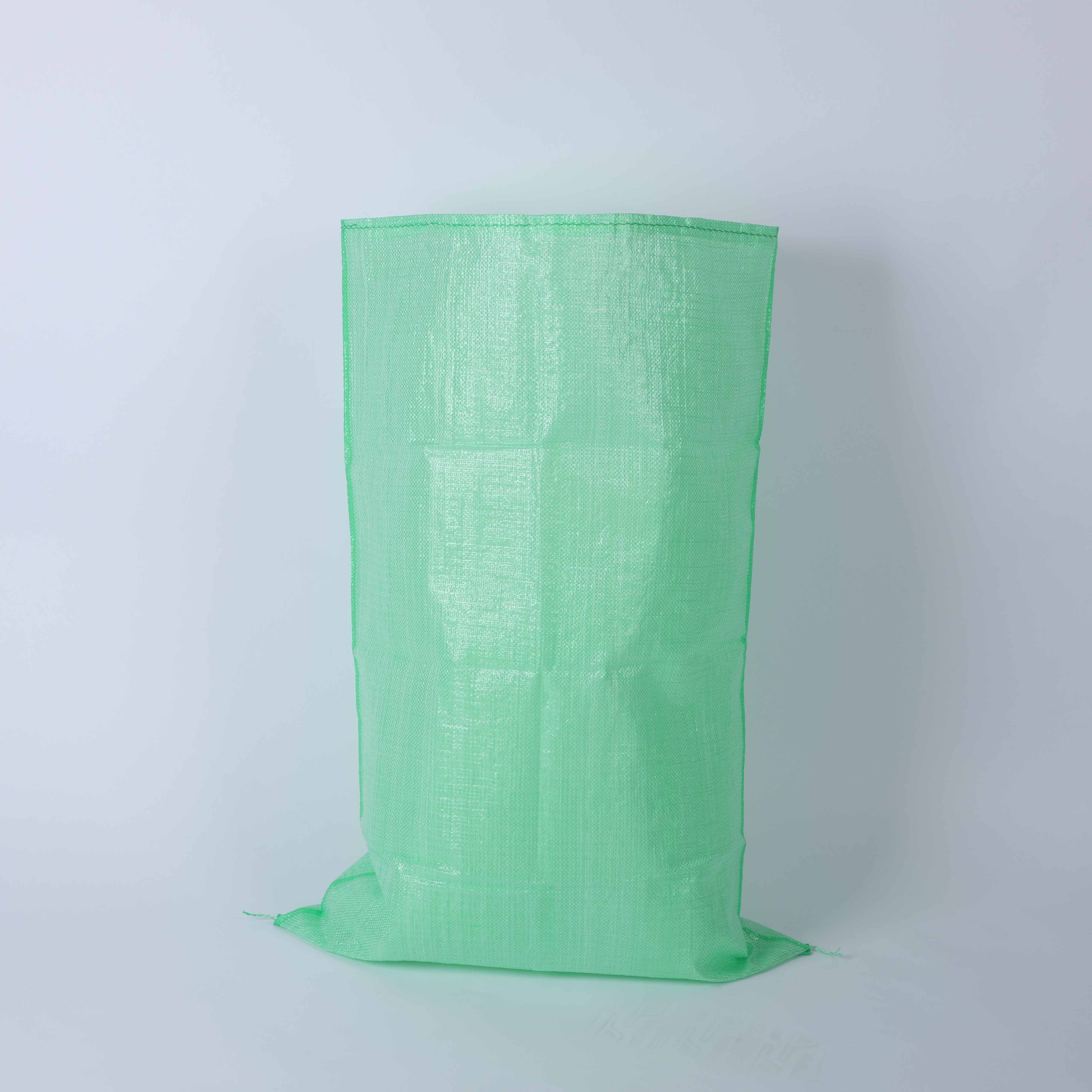
In the competitive landscape of PP bag manufacturing, quality control is not merely a compliance requirement but a strategic advantage. Manufacturers operating a woven bag production line face increasing demand for customization while maintaining strict adherence to performance specifications. The integration of systematic quality checkpoints reduces rework costs, minimizes customer returns, and establishes trust within supply chains. This comprehensive guide explores the essential quality checkpoints that define excellence in custom woven bag factory operations, providing insight into best practices that separate industry leaders from average producers.
The foundation of any successful woven bag production line begins with rigorous raw material inspection. When resin pellets arrive at a PP bag manufacturing facility, they must undergo immediate testing to verify specifications including melt flow rate, density, and color consistency. These initial assessments prevent defective materials from entering the production process and ensure that the bulk bag manufacturing process operates with predictable material properties. Testing equipment such as melt flow indexers and color meters provides objective data that distinguishes acceptable batches from those requiring rejection or alternative application.
Establishing formal quality agreements with material suppliers strengthens the first checkpoint in any custom woven bag factory. Suppliers must provide certified test reports documenting material properties, and facilities should maintain records demonstrating consistent compliance over time. A woven bag production line that operates with unvetted or variable material inputs creates downstream quality risks that become increasingly difficult and expensive to address. By investing in supplier partnerships and documentation systems, manufacturers protect the integrity of their entire production workflow and reduce the likelihood of quality failures during critical conversion stages.
During the core weaving phase of a woven bag production line, maintaining consistent yarn tension represents a critical checkpoint that directly influences product strength and appearance. Operators must continuously monitor tension readings to ensure uniform distribution of fibers across the fabric width. In PP bag manufacturing, variations in tension create weak points that compromise the structural integrity of finished bags. Automated tension sensors integrated with modern loom equipment provide real-time feedback, enabling rapid correction before defective material accumulates. A custom woven bag factory prioritizing this checkpoint significantly reduces instances of bag failure during filling or transport, protecting customer operations and brand reputation.
Temperature control during the extrusion phase of bulk bag manufacturing directly affects material properties and dimensional stability. Resin temperatures must remain within narrow ranges to ensure proper polymer flow, uniform strand diameter, and optimal molecular structure. Excessive temperatures cause material degradation, brittleness, and reduced load capacity, while insufficient temperatures result in incomplete fusion and weak connections. A woven bag production line equipped with multiple thermocouples and automated temperature regulation systems maintains the consistency required for premium product quality. Regular calibration of temperature sensors and documented temperature logs create an auditable record demonstrating commitment to process control excellence.
When lamination is specified, the bond between fabric layers represents a critical quality checkpoint in any PP bag manufacturing operation. Inadequate lamination allows delamination during transport or storage, compromising product integrity and customer satisfaction. A well-managed custom woven bag factory conducts peel strength tests on laminated samples throughout the production run, documenting results against specification minimums. The woven bag production line must maintain precise application rates, roller pressures, and adhesive temperatures to ensure consistent lamination quality. Testing frequency and sampling protocols should be statistically designed to provide confidence that all finished product meets lamination requirements without excessive waste or rework.
Sewing represents the final structural assembly phase in bulk bag manufacturing, making seam strength a non-negotiable quality checkpoint. Operators must verify that thread tension, needle size, and stitch density align with engineering specifications for intended bag load ratings. A PP woven bag factory conducting regular seam strength tests using burst or tensile equipment demonstrates commitment to customer safety and regulatory compliance. Documentation of test results, needle replacement schedules, and operator training certifications creates transparency throughout the supply chain. Products failing seam strength tests must be reworked or scrapped immediately to prevent field failures that damage customer operations and manufacturer credibility.
The final quality checkpoint in a woven bag production line involves comprehensive inspection before packaging and shipment. Trained inspectors examine each bag or statistical samples for defects including holes, weak spots, uneven weaving, improper seams, or contamination. Bags must be verified against printed specifications, color requirements, and dimensional tolerances before approval for shipment. A custom woven bag factory implementing vision systems and automated inspection equipment enhances detection capability while reducing inspector fatigue. Documentation of inspection results, defect trending, and corrective actions provides valuable data for continuous process improvement and root cause analysis of recurring quality issues.
The most critical quality checkpoints include raw material inspection, tension and temperature monitoring during weaving, lamination bond verification, seam strength testing, and final bag inspection before shipment. Each checkpoint serves a specific purpose in preventing defects and ensuring that finished products meet engineering specifications and customer expectations. A PP woven bag factory prioritizing these checkpoints consistently delivers reliable products that perform successfully throughout the customer supply chain.
Consistency in bulk bag manufacturing depends on documented procedures, operator training, equipment calibration, and statistical process control methods. A custom woven bag factory establishes standard operating procedures for each production stage, requiring operators to record parameter data and conduct required tests at specified intervals. Regular equipment maintenance, sensor calibration, and trending analysis of quality metrics enable early detection of process drift before quality failure occurs, ensuring that successive production runs maintain uniform properties and performance.
Automated quality systems in PP bag manufacturing reduce human error, provide objective data for decision-making, and enable faster detection and correction of quality issues. A woven bag production line equipped with temperature sensors, tension monitors, and vision inspection systems generates continuous data that improves traceability and accountability. While initial investment is significant, the reduction in defect rates, rework costs, and customer returns typically justifies automation expenses while enhancing the reputation and competitiveness of a bulk bag manufacturing operation.

Discover the 4 critical production metrics—throughput, defect rate, equipment uptime & on-time delivery—to vet factories confidently.

Ensure regulatory compliance & worker safety with proven methods for chemical woven bags—material selection, labeling, storage & training.

Discover the full PP woven bag manufacturing workflow—from extrusion & weaving to printing & QC. Boost efficiency, compliance & ROI. Download the process guide now.

Struggling with weak bags or high material waste? Master extrusion and tape drawing tech for stronger, cheaper PP woven bags. Optimize your production line now.
Which automation tier is right for your PP woven bag factory? Compare manual to Industry 4.0 systems for cost, quality, and scalability.
Get in touch for details on polypropylene woven bags and flexible packaging solutions.
Tel
Address
No.2015, Liaoyuan Building, Lanshan District, Linyi City, Shandong Province.China

