 EN
How to Assess Production Efficiency at a PP Woven Bag Factory
Discover the 4 critical production metrics—throughput, defect rate, equipment uptime & on-time delivery—to vet factories confidently.

2026/08/17
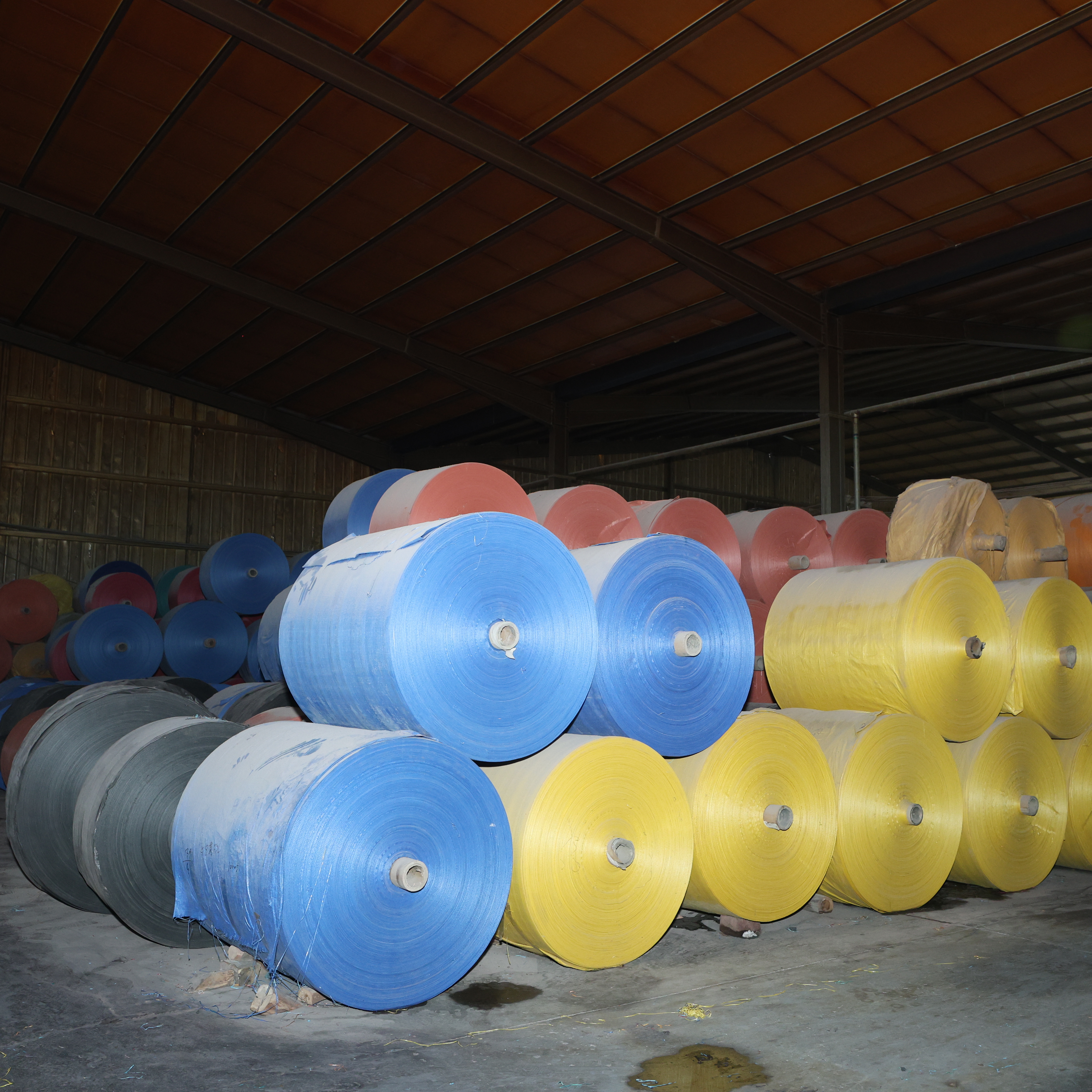
Quality control stands as the backbone of any successful woven bag factory operation. A PP woven bag manufacturer must implement rigorous inspection protocols throughout every production phase to guarantee that finished products meet customer specifications and industry standards. Modern manufacturing environments demand systematic quality assurance practices that prevent defects, reduce waste, and maintain consistency across large production runs.
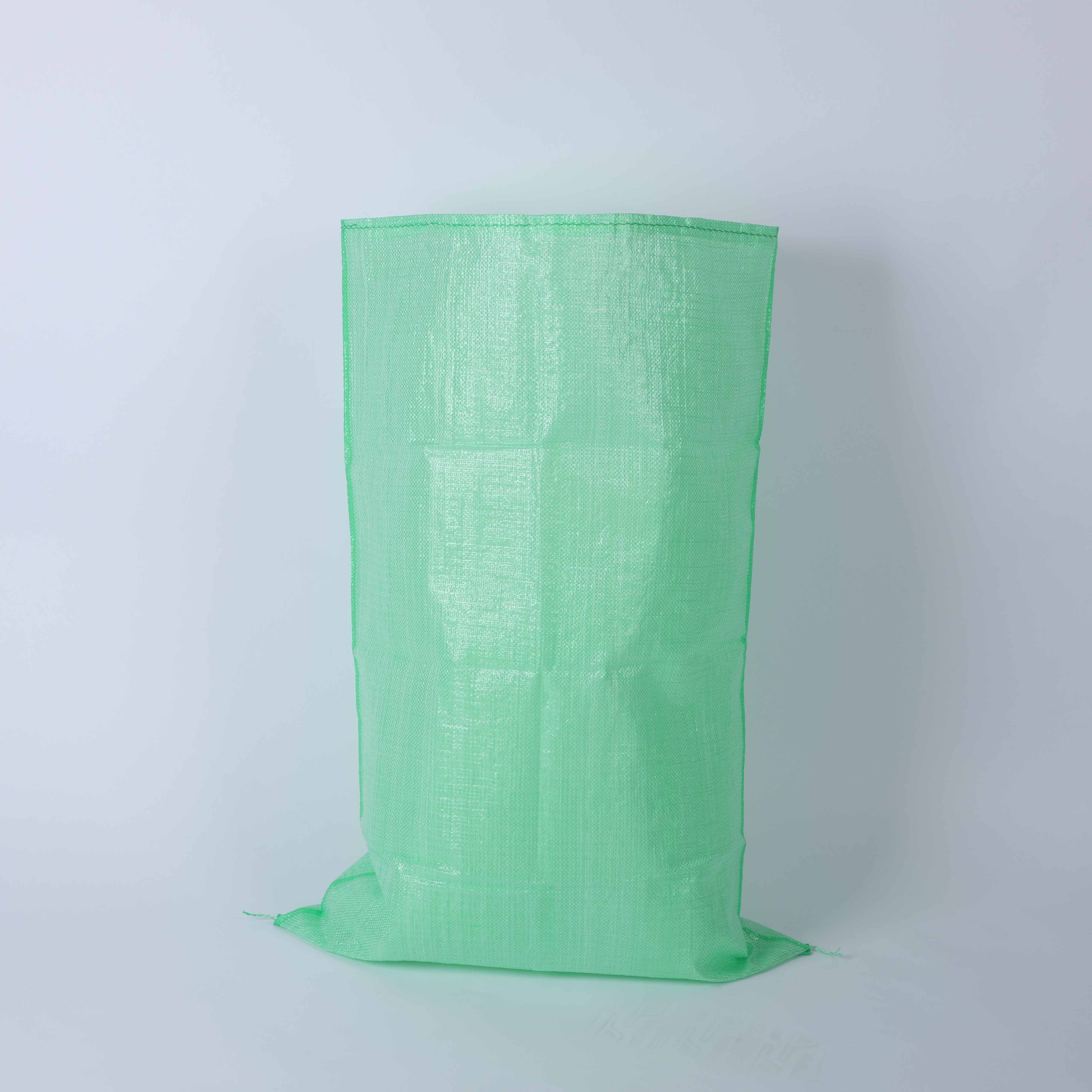
For any woven bag factory seeking competitive advantage, integrating comprehensive quality control systems directly impacts customer satisfaction, repeat business, and brand reputation. When manufacturers focus on pp bag production excellence, they establish themselves as reliable partners in the packaging industry. Custom pp woven bag specifications require precise monitoring at raw material intake, during manufacturing stages, and in final packaging to ensure every bag meets contracted performance criteria.
Quality control begins before production commences. A woven bag supplier must verify incoming polypropylene resin quality through density testing, melt flow index analysis, and color consistency checks. These preliminary inspections prevent downstream complications that could compromise the entire batch. Material certifications from chemical suppliers should be cross-referenced against laboratory test results to confirm compliance with industry specifications.
Testing also includes moisture content verification and contaminant screening. High moisture levels affect extrusion performance, while foreign particles damage woven structures and create weak points. By establishing strict intake protocols, a woven bag factory reduces the likelihood of material-related defects in finished products, which directly supports the reputation of any custom pp woven bag manufacturer.
PP bag production relies on precise resin formulations that may include UV stabilizers, colorants, and strength enhancers. Each additive batch must undergo composition analysis to confirm it meets specifications. Improper additive ratios can weaken bag tensile strength, reduce UV resistance, or create discoloration. Quality control teams should maintain detailed records of all additive suppliers and conduct periodic re-qualification testing to ensure consistency.
Documentation practices in this phase support traceability. If a customer reports issues with their bags, quality teams can trace the problem back to specific material lots and production dates. This traceability becomes especially important for a woven bag supplier serving industries with strict regulatory requirements.
During pp bag production, extruded threads must maintain consistent diameter, uniform color, and proper tensile properties. Operators use mechanical gauges and digital micrometers to monitor thread dimensions at regular intervals. Any deviation from target specifications triggers immediate adjustment of machine parameters such as temperature, extrusion speed, and die settings. Visual inspection under controlled lighting also catches surface defects or irregular coloration that dimensional testing might miss.
A woven bag factory operator documents thread measurements on control charts throughout each shift. These charts reveal trends that help predict equipment drift before catastrophic failures occur. Preventive maintenance based on quality data extends equipment life and maintains production consistency for custom pp woven bag orders.
The weaving process combines polypropylene threads into stable fabric structures. Quality control verifies thread tension uniformity, weaving pattern accuracy, and fabric weight consistency. Operators measure finished fabric dimensions and perform pull tests to confirm tensile strength meets contractual requirements. Lamination, when applied, adds a moisture barrier or protective layer that also requires thickness verification and adhesion testing.
For a woven bag supplier serving agricultural or chemical industries, lamination quality directly impacts bag functionality. Delamination during storage or transport indicates process failures that quality control must catch before shipment. Statistical process control methods help distinguish normal variation from out-of-spec conditions requiring corrective action.
Finished bags enter final quality testing stations where completed bags are measured for dimensions, seam strength, and puncture resistance. Calibrated scales ensure accurate weight, critical for industries where consistent bag size directly affects filling equipment performance. Tensile testing machines apply controlled force to seams and bag walls to quantify breaking strength, confirming the bag will withstand expected handling and transport stresses.
Custom pp woven bag manufacturers often require higher testing frequencies for new designs or smaller production batches. Statistical sampling methods help reduce testing time while maintaining confidence that population defect rates remain acceptable. The balance between thoroughness and production efficiency directly affects cost-competitiveness for any woven bag factory.
Many bags feature printed logos, product information, or customer branding. Quality inspectors verify print clarity, color accuracy, registration alignment, and ink adhesion. Surface defects such as tears, stains, or contamination are identified visually and noted for rejection if they exceed acceptable thresholds. Automated vision systems increasingly assist in this phase, detecting defects that human inspectors might miss during high-speed production.
A pp bag production facility with advanced inspection equipment can maintain higher output while improving defect detection accuracy. As a woven bag supplier, this capability becomes a significant competitive differentiator, allowing faster order fulfillment without sacrificing customer satisfaction or quality reputation.
Effective quality management requires comprehensive documentation linking each production batch to its raw materials, manufacturing parameters, and test results. Digital systems enable rapid traceability when customers report issues or regulatory agencies request production history. A woven bag factory should maintain records for periods specified by customer contracts or applicable regulations, typically ranging from two to seven years depending on industry sector.
These records support root cause analysis when defects emerge. Investigators can correlate product failures with specific material lots, machine calibrations, or operator shifts, identifying systematic problems versus isolated incidents. This data-driven approach transforms quality control from reactive problem-solving into proactive process optimization.
By analyzing quality metrics over time, a custom pp woven bag manufacturer identifies patterns that suggest opportunities for improvement. Increasing defect rates in one production area might indicate equipment wear, operator training gaps, or material supply inconsistencies. Decreasing costs combined with stable quality metrics indicate successful process optimization efforts. Industry benchmarks help woven bag supplier teams understand how their performance compares to peer facilities.
Continuous improvement programs, such as lean manufacturing or Six Sigma methodologies, leverage quality data to drive systematic upgrades. Investment in better inspection equipment, operator training, and process automation often yields rapid returns through reduced scrap rates and improved customer retention. PP bag production facilities that embrace this mindset maintain leadership positions in competitive markets.
Tensile testing machines apply controlled load to bag seams and fabric in both machine and cross directions until failure occurs. Results quantify breaking strength in kilograms-force, confirming bags will withstand expected handling loads. For a woven bag supplier, tensile data validates that finished bags meet contractual performance guarantees and industry standards applicable to their intended use.
Early detection of material defects or process drift prevents unusable bags from entering inventory. Statistical process control minimizes rework by identifying out-of-spec conditions before large quantities are affected. A PP woven bag manufacturer that catches problems at raw material intake or early production stages avoids the cost of processing defective material through complete manufacturing cycles, directly improving profitability and sustainability metrics.
Traceability enables rapid response when customers report quality issues, allowing manufacturers to identify affected batches, notify impacted customers, and implement corrective actions. This capability protects brand reputation and helps avoid costly recalls or legal disputes. For any woven bag supplier serving regulated industries like food or pharmaceuticals, traceability records may be legally required documentation that quality systems must support.

Discover the 4 critical production metrics—throughput, defect rate, equipment uptime & on-time delivery—to vet factories confidently.

Ensure regulatory compliance & worker safety with proven methods for chemical woven bags—material selection, labeling, storage & training.

Discover the full PP woven bag manufacturing workflow—from extrusion & weaving to printing & QC. Boost efficiency, compliance & ROI. Download the process guide now.

Struggling with weak bags or high material waste? Master extrusion and tape drawing tech for stronger, cheaper PP woven bags. Optimize your production line now.

Struggling with defects or customer returns? Discover the 5 non-negotiable quality checkpoints across your woven bag production line
Which automation tier is right for your PP woven bag factory? Compare manual to Industry 4.0 systems for cost, quality, and scalability.
Get in touch for details on polypropylene woven bags and flexible packaging solutions.
Tel
Address
No.2015, Liaoyuan Building, Lanshan District, Linyi City, Shandong Province.China

