 EN
How to Assess Production Efficiency at a PP Woven Bag Factory
Discover the 4 critical production metrics—throughput, defect rate, equipment uptime & on-time delivery—to vet factories confidently.

2026/09/22
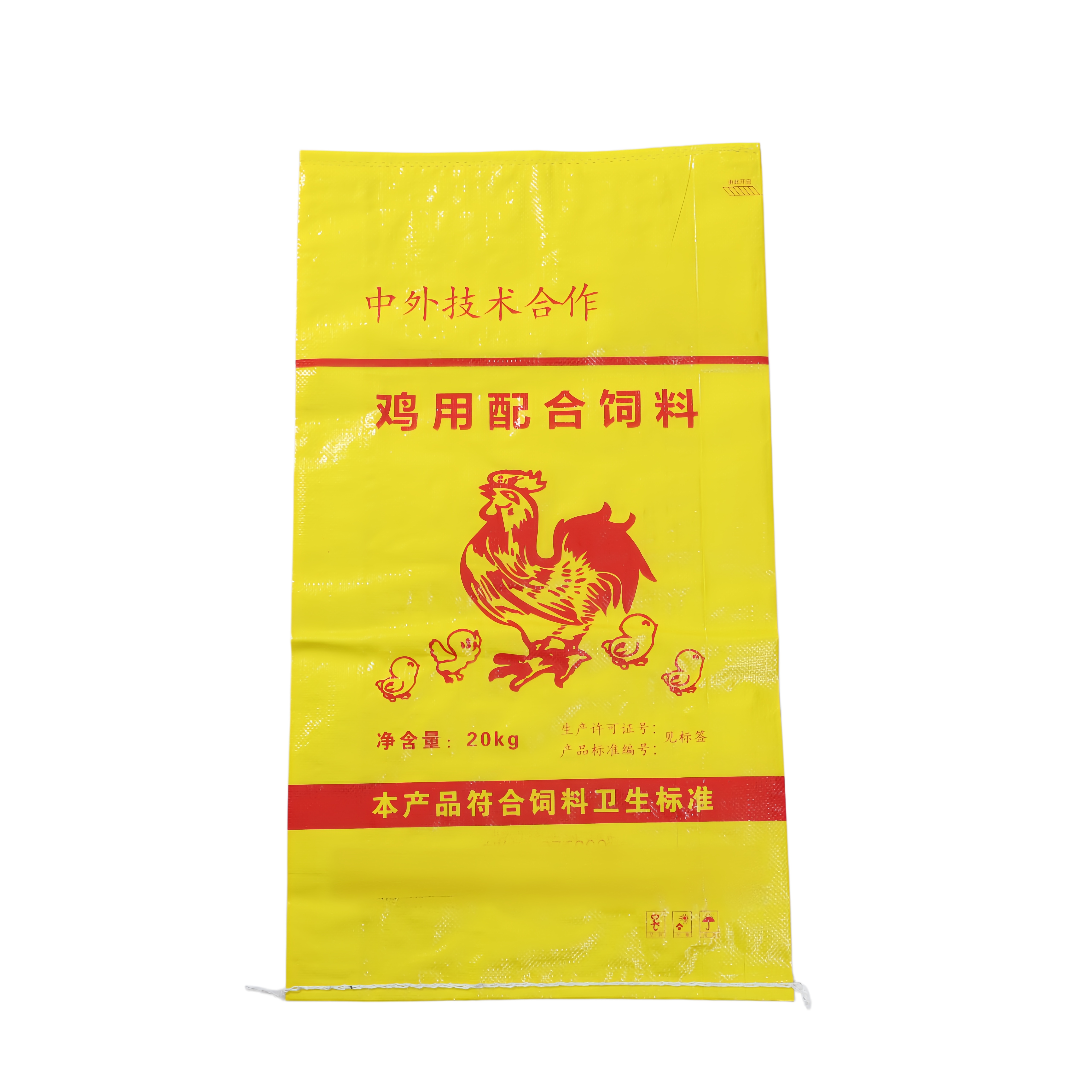
Sealing failures represent one of the most costly quality issues in poultry feed bag production, directly impacting product integrity, shelf life, and customer satisfaction. When animal feed bags fail to seal properly, the consequences extend far beyond a single damaged package. Contamination, moisture intrusion, pest infiltration, and nutrient degradation occur rapidly, rendering feed unsuitable for poultry operations and creating significant financial losses.
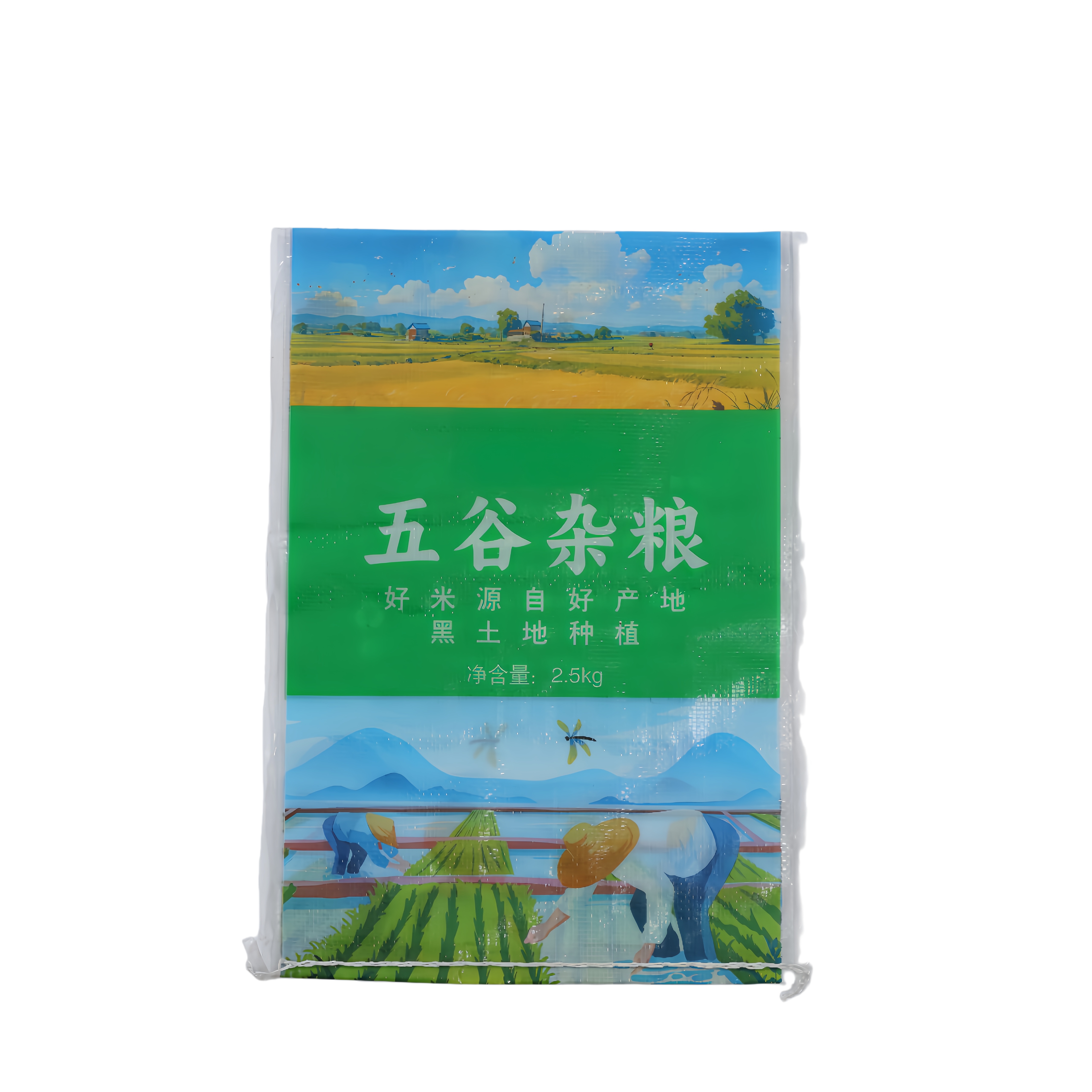
Understanding the root causes of sealing failures is essential for producers, packaging engineers, and feed manufacturers who depend on reliable livestock feed packaging solutions. This article explores the most common sealing defects, their underlying causes, detection methods, and practical prevention strategies that ensure consistent quality in poultry feed bag production.
Incomplete heat seals occur when the sealing equipment fails to apply sufficient heat across the entire bag closure area. This defect typically appears as weak spots, micro-gaps, or partially sealed edges where the polypropylene material does not fully fuse. In pp feed bag manufacturing, incomplete seals often result from inconsistent temperature distribution, uneven pressure application, or excessive conveyor speed. The bag may initially appear sealed but gradually separates during storage, transit, or handling, exposing the contents to air and moisture.
Feed storage sack operations require precise seal integrity because poultry feed contains moisture-sensitive ingredients and oxidation-prone fats. Even hairline seal gaps accelerate nutrient loss and create entry points for insects. Producers must verify seal quality immediately post-production using visual inspection, peel tests, and pressure decay methods to catch incomplete seals before packages reach distribution centers.
Charring occurs when sealing temperatures exceed the thermal tolerance of polypropylene material, causing the polymer to darken, become brittle, and lose structural integrity. Severely charred seals crack during handling or when exposed to even minor mechanical stress. This represents a critical failure mode in pp feed bag production because high-speed sealing equipment sometimes operates with outdated temperature calibration. The seal zone may appear dark or discolored, indicating material decomposition rather than a true molecular bond.
Material degradation also reduces the tensile strength of livestock feed packaging at the seal joint, making bags susceptible to burst failures during filling, palletization, or transport. Charred material often exhibits poor peel strength and cannot withstand normal handling forces without rupturing. Producers must regularly validate sealing equipment temperatures and implement automated thermal monitoring to prevent this costly defect.
Equipment drift is the leading cause of sealing failures in modern feed bag production. Heat sealers, impulse sealers, and hot-bar systems gradually lose calibration as heating elements age, electrical contacts corrode, or mechanical components wear. Temperature fluctuations of just ten to fifteen degrees Celsius can shift a seal from perfect to inadequate or charred. Feed storage sack manufacturers that operate continuously without scheduled maintenance intervals experience progressive seal quality degradation over weeks or months.
Pressure application systems also require routine inspection because worn pneumatic seals, bent press platens, or misaligned sealing bars create uneven force distribution. Poultry feed bag operations typically run multiple production shifts daily, accelerating component wear and increasing the risk of seal defects. Preventive maintenance schedules should include daily temperature verification, weekly pressure system inspection, and monthly component replacement to maintain consistent seal quality across production runs.
Raw material inconsistency poses a significant challenge to seal reliability because pp feed bag manufacturers source polypropylene from multiple suppliers or reuse recycled content in blends. Different resin batches, recycled plastic percentages, and additive formulations exhibit varying melt temperatures and fusion characteristics. When livestock feed packaging receives material with higher melting points or lower flow properties, standard sealing parameters become inadequate, resulting in incomplete bonds or charring depending on temperature adjustment direction.
Feed storage sack producers must establish strict incoming material specifications, including resin grade, melt flow index, and composition verification. Mixing virgin and recycled polypropylene in poultry feed bag production without proportional control creates batch-to-batch seal performance variation. Consistent material sourcing and testing protocols ensure that sealing equipment parameters remain stable and effective.
Ambient humidity, temperature, and production speed interact to influence seal quality in ways that operators often overlook. When production facilities lack climate control, seasonal humidity changes affect polypropylene moisture content and thermal behavior. Cold ambient conditions slow heat transfer into the material, requiring longer dwell times or higher temperatures to achieve proper seal fusion. Conversely, excessive humidity can introduce moisture into the polypropylene film, altering its sealing characteristics and creating weak bonds even at correct temperatures.
Production line speed creates additional stress on sealing systems because faster throughput reduces the time available for proper heat transfer and cooling. Many livestock feed packaging operations push conveyors to maximum speed without adjusting temperature or pressure parameters to compensate. Poultry feed bag manufacturers must validate that sealing conditions remain adequate across their full production speed range and adjust parameters when seasonal or operational conditions change.
Modern feed bag production increasingly incorporates automated vision systems, thermal cameras, and pressure decay testers to detect seal defects in real time. These systems inspect every bag for visual defects such as charring, incomplete seals, or foreign material before packages leave the production line. Pressure decay testing measures the rate at which air escapes from a sealed bag, providing quantitative data on seal integrity. This approach eliminates defective pp feed bags before they enter the distribution channel, protecting brand reputation and customer relationships.
Feed storage sack operations that implement statistical process control methods track seal temperature, pressure, and dwell time alongside defect rates to identify trends before quality drops below specification. Data-driven monitoring enables producers to detect equipment drift early and adjust parameters proactively. Predictive maintenance based on performance analytics reduces unplanned downtime and maintains consistent poultry feed bag quality throughout production.
Producers should partner with resin suppliers to establish consistent material specifications that match their sealing equipment capabilities. Premium livestock feed packaging uses virgin or tightly controlled recycled polypropylene blends with narrow melt flow ranges and consistent thermal properties. Sealing parameters must be validated across the full range of acceptable material variation to ensure that even edge-case batches produce acceptable seals.
Feed storage sack manufacturers benefit from working with sealing equipment vendors to map out optimal temperature, pressure, and dwell time combinations for their specific material and bag geometry. Test sealing with samples from multiple material batches and production speed ranges establishes robust parameter windows that accommodate normal process variation. Implementing this knowledge into production control procedures ensures that poultry feed bag seals remain reliable even when conditions fluctuate within normal operational bounds.
Visible signs include incomplete seal lines with visible gaps, dark discoloration or charring along the seal edge, loose or separating seal areas, and cracks radiating from the seal joint. Many animal feed bags with early-stage seal failures appear acceptable visually but fail when opened or during handling. Feed storage sack quality inspectors should examine every seal under bright light and manually test seal strength by attempting to peel apart the closure.
Implement daily temperature verification using calibrated infrared thermometers or contact sensors on active heating elements. Establish preventive maintenance schedules that include weekly pressure system inspection and monthly component replacement for worn seals and platens. Track seal quality metrics continuously using automated vision systems or periodic peel testing to detect drift before defect rates increase. Train operators to recognize off-specification seal appearance and halt production when parameters drift outside validated ranges.
Yes, different polypropylene formulations and recycled content percentages create varying fusion characteristics and optimal sealing temperatures. Virgin resin typically offers more consistent thermal behavior than recycled blends, but cost considerations often drive producers toward material recycling. Livestock feed packaging manufacturers should validate that their sealing equipment parameters work across the full range of material batches they use, and maintain tight incoming material specifications to minimize variation in poultry feed bag seal performance.

Discover the 4 critical production metrics—throughput, defect rate, equipment uptime & on-time delivery—to vet factories confidently.

Ensure regulatory compliance & worker safety with proven methods for chemical woven bags—material selection, labeling, storage & training.

Discover the full PP woven bag manufacturing workflow—from extrusion & weaving to printing & QC. Boost efficiency, compliance & ROI. Download the process guide now.

Struggling with weak bags or high material waste? Master extrusion and tape drawing tech for stronger, cheaper PP woven bags. Optimize your production line now.

Struggling with defects or customer returns? Discover the 5 non-negotiable quality checkpoints across your woven bag production line
Which automation tier is right for your PP woven bag factory? Compare manual to Industry 4.0 systems for cost, quality, and scalability.
Get in touch for details on polypropylene woven bags and flexible packaging solutions.
Tel
Address
No.2015, Liaoyuan Building, Lanshan District, Linyi City, Shandong Province.China

