 EN
How to Assess Production Efficiency at a PP Woven Bag Factory
Discover the 4 critical production metrics—throughput, defect rate, equipment uptime & on-time delivery—to vet factories confidently.

2026/08/19
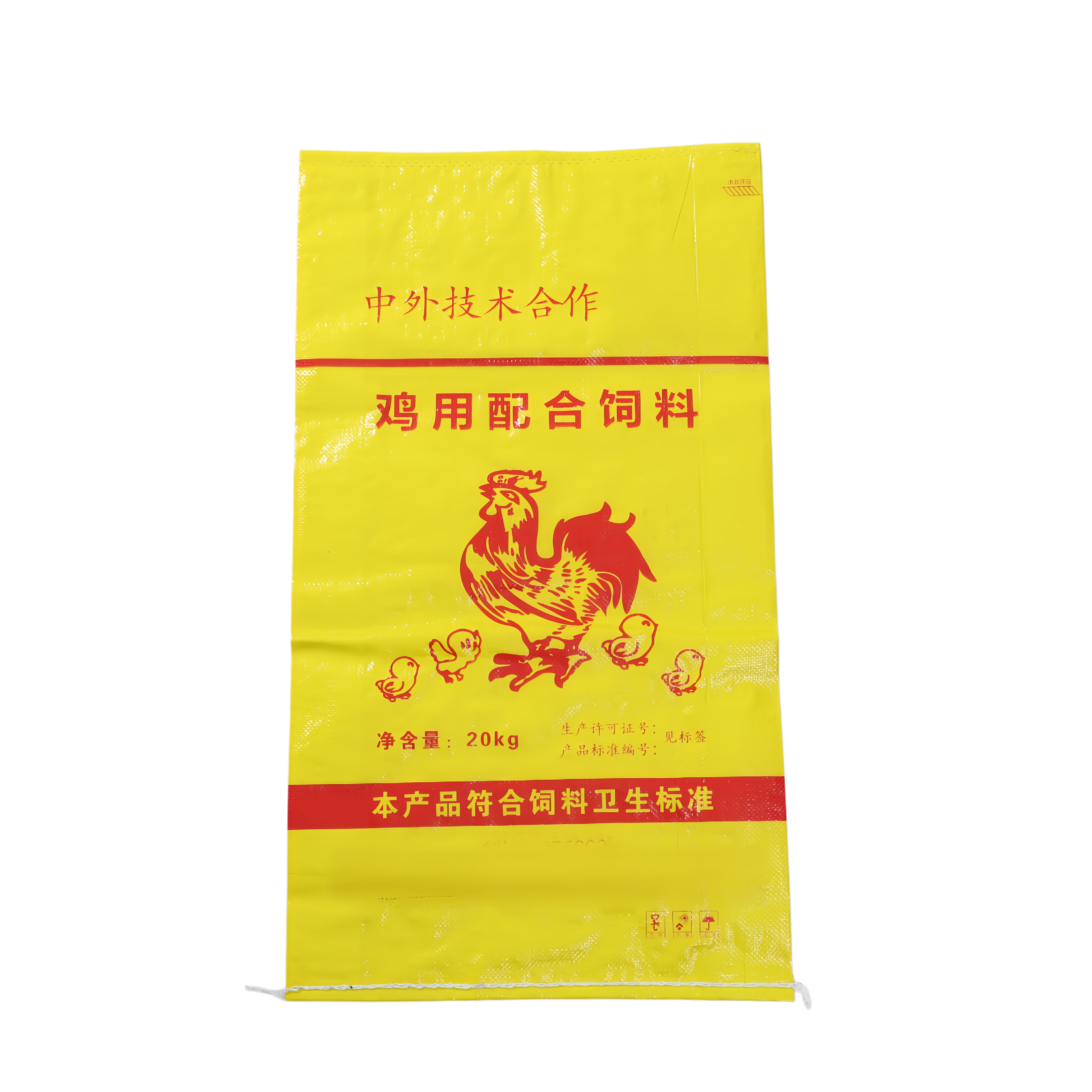
The manufacturing of BOPP laminated bags represents a sophisticated convergence of materials science and industrial processing. These bags combine the durability of polypropylene woven substrates with protective lamination layers, creating packaging solutions that withstand demanding storage and transportation conditions. Understanding the lamination process behind BOPP laminated bags is essential for businesses seeking reliable, cost-effective industrial packaging.
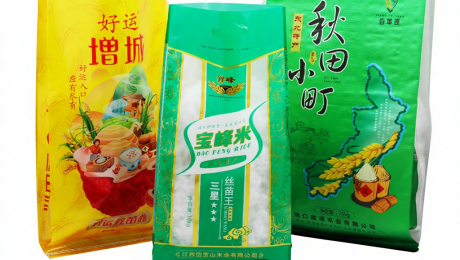
The bopp woven bag foundation begins as a woven textile structure made from polypropylene fibers. During the lamination stage, adhesive layers and protective films are applied to create the finished BOPP packaging solution. This multi-step process ensures that the final product delivers enhanced moisture resistance, improved print quality, and extended shelf life for packaged contents across agricultural, chemical, and food industries.
The bopp woven bag begins with the extrusion of polypropylene polymer into fine filaments. These filaments are then woven into flat sheets using industrial looms, creating a stable textile matrix. The weave pattern directly influences the bag's tensile strength, puncture resistance, and overall durability. For a laminated pp bag application, the substrate must maintain dimensional stability during subsequent adhesive and film application stages.
Fiber denier, weave density, and yarn count are critical parameters in substrate creation. Lower denier fibers produce finer, more flexible sheets, while higher densities improve load-bearing capacity. Manufacturers select these specifications based on end-use requirements, ensuring the woven foundation can support the mechanical stress of lamination and the intended product weight.
Before lamination begins, the bopp woven bag substrate undergoes surface treatment to enhance adhesive bonding. Corona discharge treatment ionizes the polypropylene surface, increasing its surface energy and improving wettability. This pre-treatment is crucial for the printed woven bag variant, as it ensures ink adhesion during the printing stage and strengthens the connection between substrate and laminate layers.
The laminated pp bag production requires careful adhesive selection to balance flexibility, water resistance, and processing efficiency. Hot melt adhesives and water-based polyurethane systems are commonly employed in bopp packaging manufacturing. The adhesive is applied using roller coaters or curtain coaters, which distribute a uniform, thin layer across the woven substrate surface. Precise thickness control at this stage prevents excess adhesive from creating stiff, brittle joints while ensuring adequate bonding strength.
Temperature regulation during adhesive application significantly impacts the final product performance. Excessive heat can weaken the polypropylene fibers, while insufficient heat prevents proper adhesive curing. For bopp laminated bags intended for high-temperature storage or outdoor exposure, specialized heat-resistant adhesives are selected to maintain structural integrity over extended periods.
Once adhesive is applied, protective films—typically low-density polyethylene or additional polypropylene layers—are pressed onto the substrate using heated roller systems. The pressure and temperature profile must be precisely controlled to achieve uniform bonding without damaging the underlying woven structure. The printed woven bag variant applies graphics before or during lamination, requiring coordination between printing and film adhesion processes.
The lamination process may be single-sided or double-sided depending on bopp packaging requirements. Single-sided lamination reduces material costs and maintains breathability for certain agricultural applications. Double-sided lamination provides superior moisture barrier properties and structural rigidity, making it ideal for chemical storage and long-term environmental exposure.
Laminated pp bag technology dramatically improves moisture resistance compared to uncoated woven alternatives. The polymer film layer prevents water vapor transmission, protecting sensitive contents from humidity fluctuations. For bopp laminated bags used in tropical climates or high-humidity warehouses, this barrier function extends product shelf life and maintains quality standards throughout the supply chain.
UV stability is another critical benefit of bopp packaging lamination. The protective films contain UV absorbers that shield the underlying polypropylene and printed graphics from solar degradation. When bags are stored outdoors or in partially covered facilities, this UV protection prevents color fading, ink breakdown, and premature structural failure that would compromise product appeal and integrity.
The printed woven bag segment relies heavily on lamination to enhance visual presentation and durability. Laminate layers seal printed graphics, preventing smudging, fading, and water damage during handling and storage. The glossy or matte finish options available through different film selections allow brands to achieve desired aesthetic profiles while maintaining functional protection.
Advanced printing techniques combined with precise lamination timing enable high-definition, multi-color designs on bopp packaging. The laminate layer acts as a protective clear coat, similar to industrial label applications, ensuring that investments in premium printing remain visible and attractive throughout the product's commercial lifecycle.
Lamination serves multiple purposes in bopp laminated bags manufacturing. The primary function is to enhance moisture and environmental barrier properties, protecting packaged contents from humidity, temperature fluctuations, and UV exposure. Secondary benefits include improved print quality preservation, increased structural rigidity, extended shelf life, and enhanced visual appeal. For bopp packaging applications requiring long-term storage or outdoor exposure, lamination is often essential to meet performance and quality standards.
Laminated pp bag production involves additional material and processing costs compared to plain woven alternatives. However, the enhanced protective properties often justify the investment through improved product preservation, reduced spoilage, and increased brand perception. For high-value contents or applications requiring extended shelf life, the printed woven bag variant with lamination typically offers better overall value despite higher unit costs. Businesses must evaluate their specific use case to determine whether lamination cost premium aligns with performance and market requirements.
Yes, selective lamination strategies can optimize cost and performance balance. Single-sided lamination reduces material consumption while maintaining some moisture protection benefits for bopp packaging applications where full barrier protection isn't critical. Alternatively, laminating only high-traffic bag areas or combining plain and laminated sections can lower costs for bopp laminated bags. However, selective approaches may limit UV protection and printed graphic durability, making them suitable only for controlled storage environments or products with shorter distribution timelines.

Discover the 4 critical production metrics—throughput, defect rate, equipment uptime & on-time delivery—to vet factories confidently.

Ensure regulatory compliance & worker safety with proven methods for chemical woven bags—material selection, labeling, storage & training.

Discover the full PP woven bag manufacturing workflow—from extrusion & weaving to printing & QC. Boost efficiency, compliance & ROI. Download the process guide now.

Struggling with weak bags or high material waste? Master extrusion and tape drawing tech for stronger, cheaper PP woven bags. Optimize your production line now.

Struggling with defects or customer returns? Discover the 5 non-negotiable quality checkpoints across your woven bag production line
Which automation tier is right for your PP woven bag factory? Compare manual to Industry 4.0 systems for cost, quality, and scalability.
Get in touch for details on polypropylene woven bags and flexible packaging solutions.
Tel
Address
No.2015, Liaoyuan Building, Lanshan District, Linyi City, Shandong Province.China

