 EN
How to Assess Production Efficiency at a PP Woven Bag Factory
Discover the 4 critical production metrics—throughput, defect rate, equipment uptime & on-time delivery—to vet factories confidently.

2026/08/20
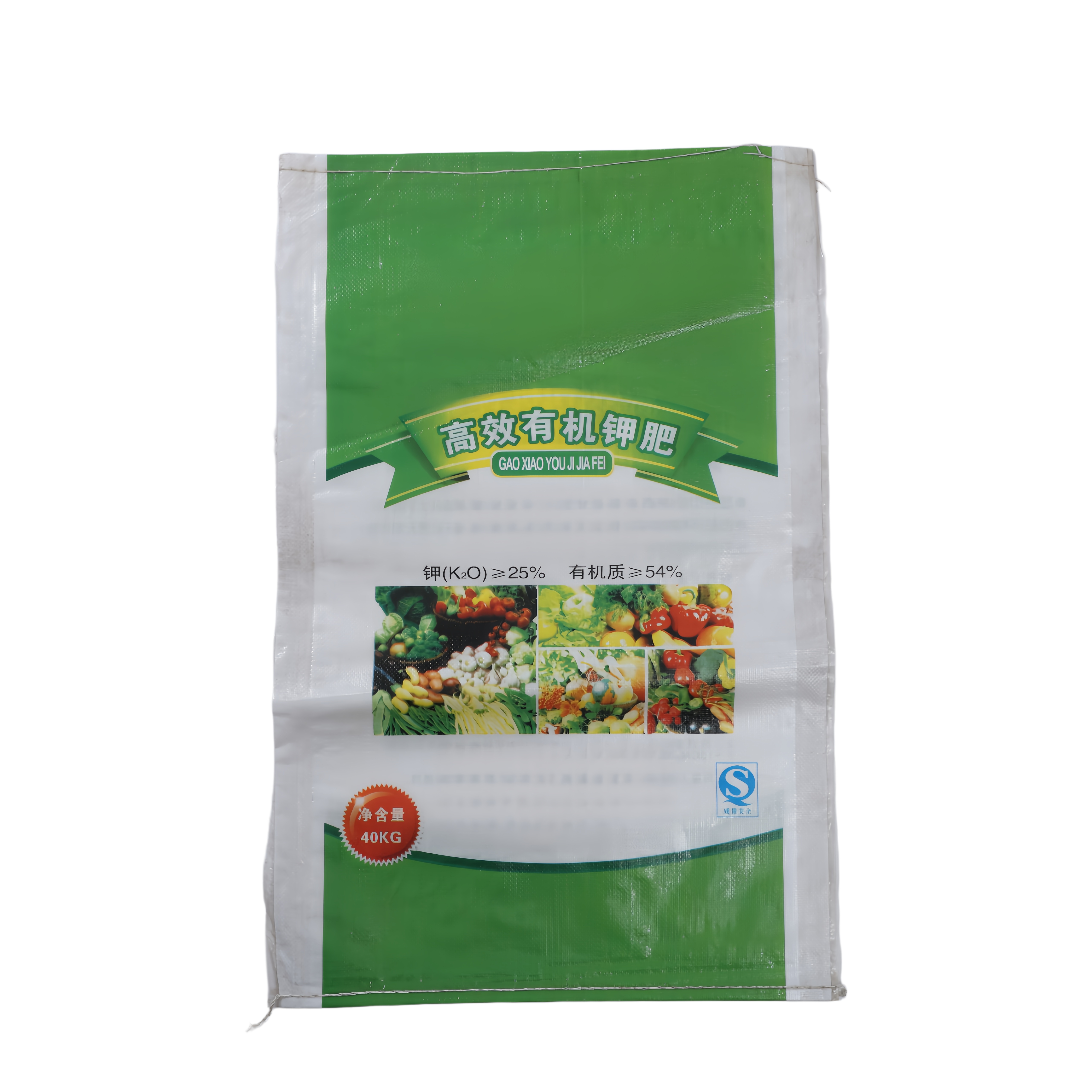
Quality inspection is the backbone of professional rice bag manufacturing. Every step in the production cycle demands rigorous oversight to ensure that the final product meets international standards, regulatory requirements, and customer expectations. A reliable rice bag manufacturer implements comprehensive inspection protocols across multiple stages, from raw material assessment through final packaging. Understanding these inspection stages helps buyers identify trustworthy suppliers and ensures consistent product quality for their operations.
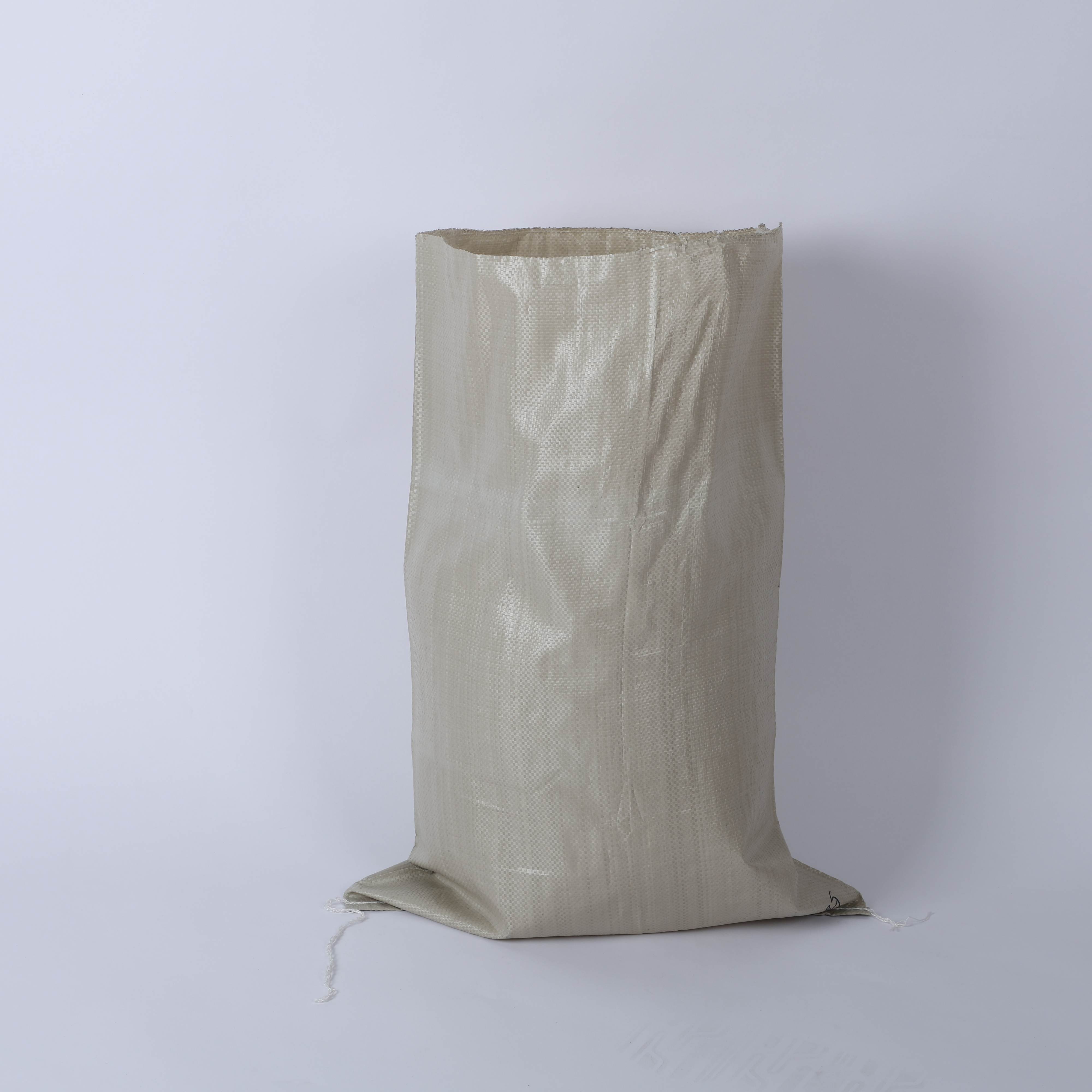
The manufacturing process for rice bags involves coordinated quality checks that prevent defects, contamination, and structural failures. When working with a reputable rice packaging supplier, you benefit from established quality frameworks that have been tested and refined over years of production experience. These inspection protocols directly impact the shelf life of your rice, the integrity of your supply chain, and ultimately, customer satisfaction. This article outlines the essential quality inspection stages that distinguish professional rice bag factories from basic producers.
The first critical stage occurs before production begins. A professional rice bag factory conducts thorough testing of incoming raw materials, particularly polypropylene resin, fabric components, and printing inks. Inspectors verify material certifications, batch numbers, and test reports from suppliers. This stage prevents low-grade materials from entering production, which would compromise the final product. Density, tensile strength, and chemical composition are validated against specifications. The rice packaging supplier must document all incoming material quality to maintain traceability and accountability throughout the manufacturing process.
Raw materials require proper storage conditions to maintain their properties. A custom rice bag production facility monitors temperature, humidity, and environmental factors that affect material performance. Polypropylene is sensitive to temperature fluctuations, and improper storage can degrade resin quality. Inspectors verify that storage areas are clean, organized, and maintained at controlled conditions. This stage prevents material degradation before manufacturing even begins. Documentation of storage conditions protects both the rice bag factory and the buyer by ensuring material integrity is preserved.
During the weaving stage, pp rice bag production requires continuous monitoring for consistency. Inspectors verify fabric weight, thread count, and weave pattern against production specifications. The rice bag manufacturer uses automated and manual checking systems to detect loose threads, inconsistencies in yarn tension, and alignment issues. Each production batch is sampled regularly to ensure the woven fabric meets strength requirements. The density and uniformity of the weave directly impact the bag's ability to contain rice without breakage or leakage. This stage catches defects early, reducing waste and rework costs.
Print quality and coating application are crucial for brand identity and product protection. A dedicated rice bag factory inspector examines print clarity, color accuracy, and registration across multiple bags from each production run. Lamination and coating layers are tested for adhesion and uniformity. The inspector measures coating thickness using standardized tools and verifies that printing inks meet food safety standards where applicable. Custom rice bag designs require precise color matching and alignment to maintain professional appearance. Defective prints are removed from the production line immediately to prevent customer dissatisfaction.
The sewing stage joins fabric pieces to form the bag structure. Quality inspectors verify stitch length, tension, and alignment on every production batch. Random bags undergo destructive seam strength testing to confirm they can withstand the weight of rice during transport and storage. The rice packaging supplier conducts pull tests to measure the force required to separate seams. This data is documented and compared against established standards. Weak seams are the leading cause of product failure in the field, making this inspection stage critical for reliability.
Before packaging, finished rice bags undergo dimensional and weight checks. Inspectors verify bag length, width, and gusset measurements to ensure they meet customer specifications. The pp rice bag production facility measures and records the weight of empty bags to confirm material consistency across batches. Bags that deviate from specification are separated for rework or rejection. A rice bag manufacturer maintains detailed measurement logs to support process control and traceability. Consistent dimensions ensure that bags fit efficiently into shipping containers and stack properly during storage and distribution.
Finished bags are tested for integrity under simulated use conditions. A rice bag factory conducts leak tests by filling sample bags with water or rice and observing for seepage over a defined period. Drop tests simulate handling stress during distribution. Pressure tests evaluate the bag's ability to contain its contents without rupture. These performance tests generate data that supports quality certifications and customer confidence. The rice packaging supplier documents all test results and maintains them as evidence of compliance with quality standards and contractual obligations.
The custom rice bag undergoes a final visual inspection before shipment. Trained inspectors examine each unit for surface defects, misaligned prints, loose threads, and structural issues. A magnifying system allows detection of small flaws that could impact product performance. Any bags with defects are removed and categorized by defect type for analysis. This inspection stage represents the final quality gate. The rice bag factory maintains detailed defect records to identify trends and drive continuous improvement in production processes.
A professional rice bag manufacturer maintains comprehensive documentation of all inspection activities. Each production batch is assigned a unique identifier that allows traceability to specific material lots, production dates, and inspectors involved. Quality records include incoming material certifications, in-process measurements, test results, and final inspection findings. The rice packaging supplier maintains these records for a defined period to support quality investigations or customer inquiries. Documentation enables rapid identification of affected units if a quality issue arises in the field.
Quality inspection data is analyzed to identify trends and opportunities for improvement. A rice bag factory reviews defect patterns, failure modes, and customer complaints to refine production processes. The pp rice bag production team adjusts machine settings, material parameters, or inspection procedures based on data insights. Regular management reviews ensure that quality performance meets or exceeds customer expectations and regulatory requirements. This commitment to continuous improvement demonstrates that the rice bag manufacturer takes quality seriously and invests in long-term excellence.
Common defects include weak seams, misaligned print, holes or tears in fabric, inconsistent coating, and dimensional variations. A rice bag factory identifies these issues through standardized testing and removes defective units before shipment. Early detection prevents customer complaints and protects brand reputation.
Inspectors verify that materials, inks, and coatings used in custom rice bag production comply with food contact regulations. The rice bag manufacturer tests for harmful substances and maintains certifications from recognized standards bodies. Raw materials are sourced only from suppliers with verified safety credentials.
Seams are the weakest point in bag structure and the most common failure point. A rice bag manufacturer conducts regular seam strength testing to ensure bags withstand the weight, handling, and environmental stress of rice storage and transport. Failed seams lead to product loss and customer dissatisfaction.

Discover the 4 critical production metrics—throughput, defect rate, equipment uptime & on-time delivery—to vet factories confidently.

Ensure regulatory compliance & worker safety with proven methods for chemical woven bags—material selection, labeling, storage & training.

Discover the full PP woven bag manufacturing workflow—from extrusion & weaving to printing & QC. Boost efficiency, compliance & ROI. Download the process guide now.

Struggling with weak bags or high material waste? Master extrusion and tape drawing tech for stronger, cheaper PP woven bags. Optimize your production line now.

Struggling with defects or customer returns? Discover the 5 non-negotiable quality checkpoints across your woven bag production line
Which automation tier is right for your PP woven bag factory? Compare manual to Industry 4.0 systems for cost, quality, and scalability.
Get in touch for details on polypropylene woven bags and flexible packaging solutions.
Tel
Address
No.2015, Liaoyuan Building, Lanshan District, Linyi City, Shandong Province.China

