 EN
How to Assess Production Efficiency at a PP Woven Bag Factory
Discover the 4 critical production metrics—throughput, defect rate, equipment uptime & on-time delivery—to vet factories confidently.

2026/08/18
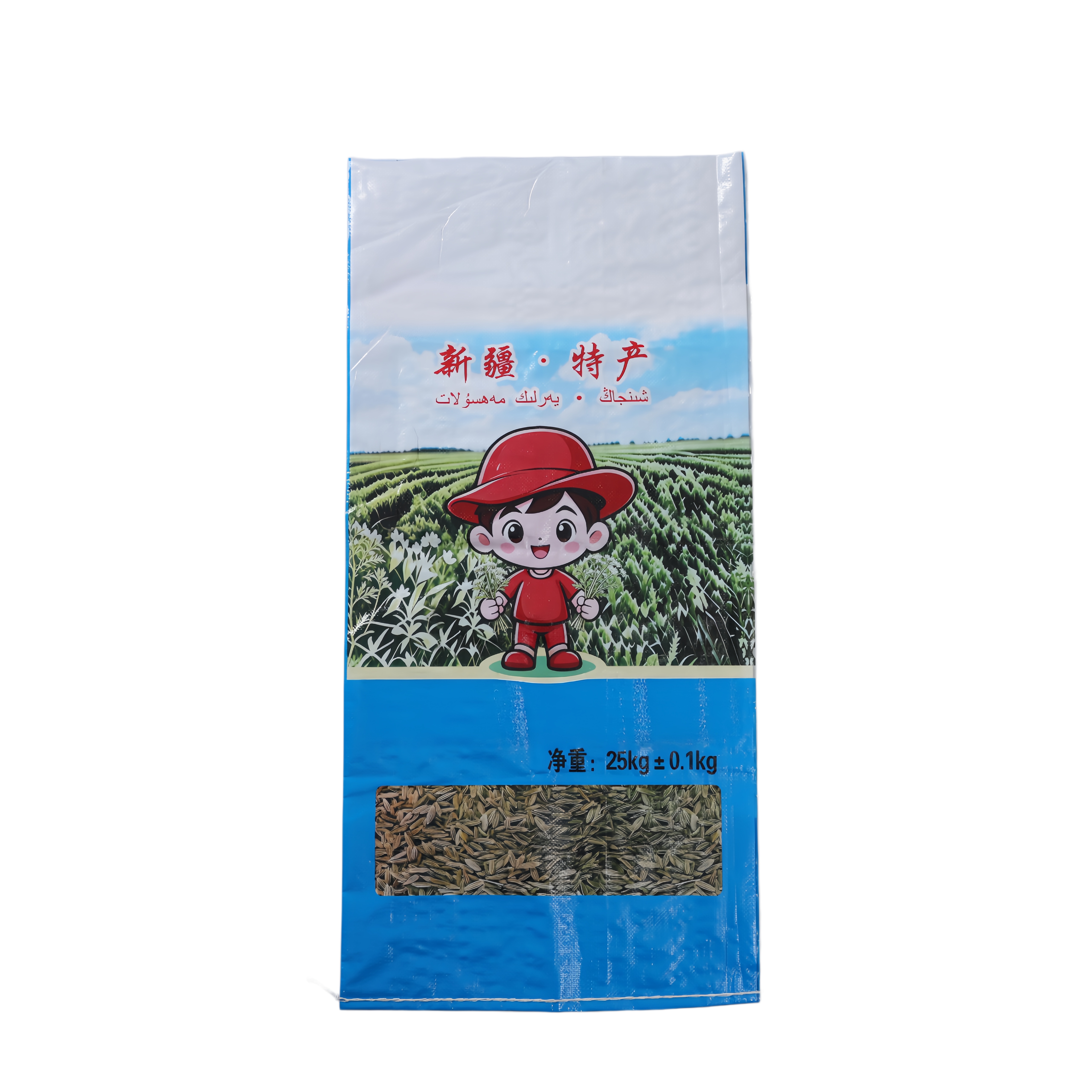
Delamination is one of the most common storage challenges faced by businesses that rely on BOPP laminated bags. When the layers of a laminated pp bag begin to separate, the structural integrity fails, rendering the packaging unusable and compromising product protection. Understanding the causes of delamination and implementing preventative strategies is essential for maintaining quality during extended storage periods and ensuring your inventory remains viable for customer delivery.
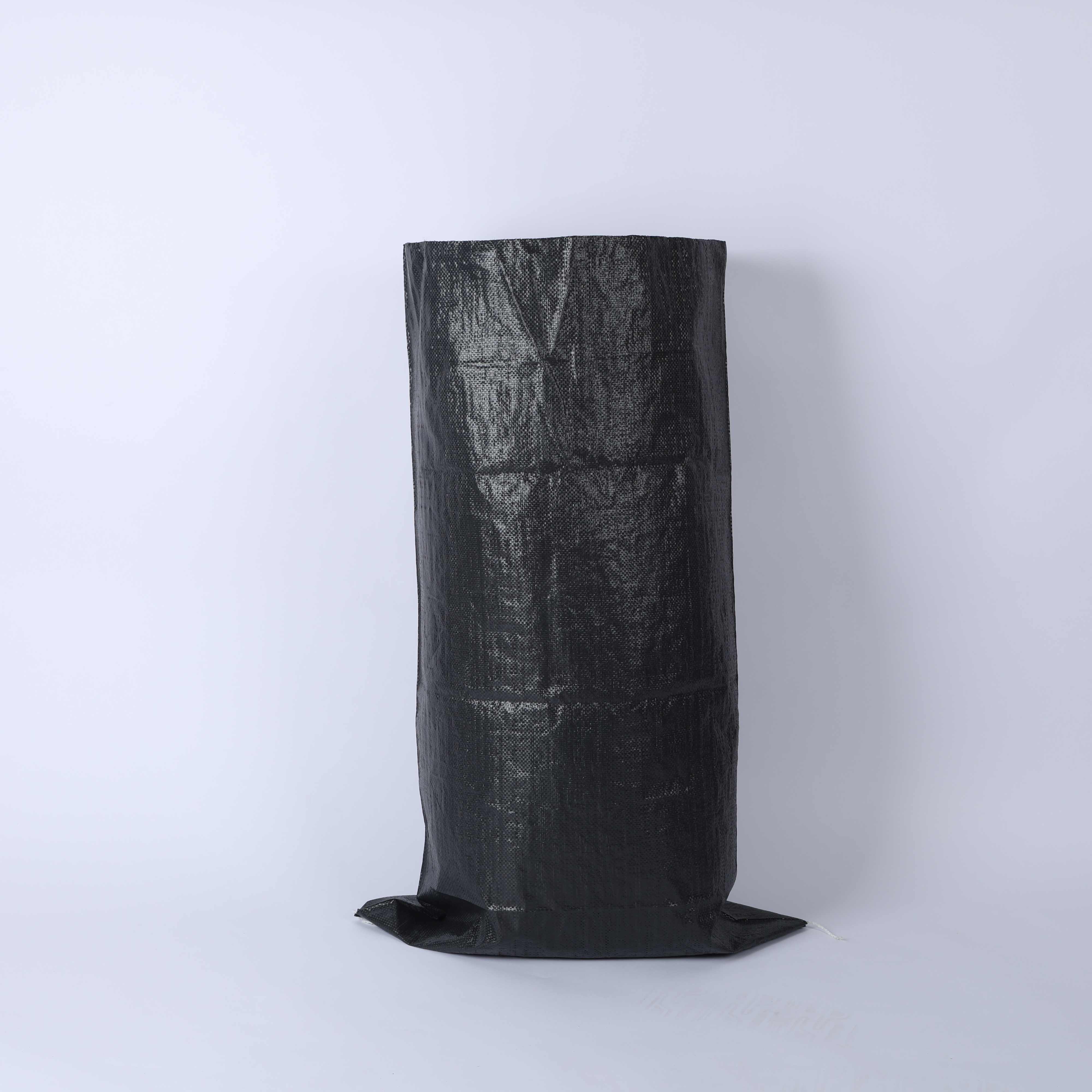
Preventing delamination requires a comprehensive understanding of environmental factors, material handling practices, and storage conditions that affect bopp packaging durability. The laminated pp bag structure consists of multiple adhesive-bonded layers designed to provide barrier protection, print quality, and mechanical strength. However, when these layers are exposed to moisture fluctuations, temperature extremes, improper stacking pressure, or prolonged humidity exposure, the adhesive bonds weaken and separation occurs.
Moisture is the primary culprit behind delamination in bopp woven bag storage. When BOPP laminated bags absorb atmospheric moisture, water molecules penetrate the adhesive layer, causing it to lose adhesive strength and allowing the polypropylene layers to separate. This process accelerates in high-humidity environments, particularly in coastal regions, tropical climates, or facilities without climate control.
Relative humidity above 70 percent creates a critical risk threshold for delamination. In such environments, moisture accumulates within the adhesive layer faster than it can evaporate, establishing conditions where the bond between layers deteriorates rapidly. To combat this, storage areas should maintain humidity levels between 40 and 60 percent. Installing a dehumidifier system or maintaining active ventilation helps regulate moisture content. For printed woven bag storage in challenging climates, desiccant packs or silica gel packets placed inside storage containers can absorb excess moisture and create a protective microclimate around the bags.
Temperature variations create thermal stress that weakens adhesive bonds in bopp packaging. When BOPP laminated bags experience rapid temperature changes—such as moving from a heated warehouse to a cold shipping container or vice versa—the different expansion and contraction rates of the polypropylene layers cause internal stress at the adhesive interfaces. This cyclical thermal stress gradually compromises bond integrity, eventually leading to visible delamination. Cold storage environments are particularly problematic because low temperatures increase adhesive viscosity, reducing its flexibility and making it more prone to cracking.
Maintaining a stable temperature range of 15 to 25 degrees Celsius provides optimal protection for laminated pp bag storage. Avoid storing BOPP laminated bags near heat sources, direct sunlight, or in facilities with significant temperature swings. If your inventory includes printed woven bag stock that must transition between temperature zones during distribution, allow bags to acclimate gradually to new conditions before opening sealed packages. This minimizes condensation formation and reduces the thermal shock that triggers adhesive layer separation in bopp woven bag materials.
Excessive stacking pressure directly contributes to delamination in BOPP laminated bags. When bags are stacked too high or under heavy loads, the compression force pressing down on lower bags causes localized stress that can exceed the adhesive shear strength, initiating separation between layers. This is particularly problematic in bopp packaging stored for extended periods, where constant pressure gradually weakens the bond. Additionally, uneven weight distribution, improper pallet stacking, or using unstable storage structures increases the risk of point-load damage that triggers delamination.
Establish height limits for stacking BOPP laminated bags based on bag size, material thickness, and adhesive formulation. Generally, limiting stacks to 1.5 to 2 meters prevents excessive compression stress. Ensure even weight distribution by using proper pallets, stretch wrap, and load stabilization equipment. For laminated pp bag inventory, rotate stock regularly using first-in-first-out practices to minimize cumulative storage duration and prevent extended pressure exposure. When storing printed woven bag products, avoid placing heavy items directly on top of bagged materials; instead, use tiered shelving or separate storage zones to ensure each bopp woven bag receives appropriate load management.
Secondary packaging provides a critical protective layer for BOPP laminated bags during storage. Wrapping bags in moisture-barrier films, sealed cartons, or bulk bags creates a sealed microenvironment that limits moisture and oxygen exchange with ambient air. This approach is especially effective for laminated pp bag products destined for long-term warehousing or international shipment. When bopp packaging is sealed inside protective layers immediately after production, the internal environment remains stable, reducing exposure to humidity fluctuations and temperature variations that trigger adhesive layer separation.
Desiccant canisters or oxygen absorbers placed within sealed bundles further enhance protection for printed woven bag inventory. These additives absorb residual moisture and oxygen, creating an inert storage atmosphere that preserves adhesive integrity. For bopp woven bag storage in high-risk environments, vacuum sealing smaller quantities of BOPP laminated bags offers maximum protection. The absence of air circulation minimizes moisture diffusion and thermal cycling effects, significantly extending the storage lifespan of laminated pp bag stock. This strategy is cost-effective for premium or custom-printed woven bag products where delamination would result in substantial product loss.
Implementing an environmental monitoring system in storage facilities is essential for preventing delamination in BOPP laminated bags. Digital humidity and temperature sensors should be placed throughout the warehouse, particularly in problem areas prone to moisture or thermal extremes. Regular data logging allows facility managers to identify trends, spot fluctuations early, and respond before conditions deteriorate sufficiently to damage bopp packaging. Routine inspections of stored laminated pp bag inventory help detect early signs of separation, allowing corrective action before delamination becomes widespread.
Establish a monthly inspection protocol where samples from different storage zones are physically examined for delamination indicators. Look for visible layer separation at bag edges, moisture stains, or areas where the printed woven bag surface shows waviness or bubbling. Document findings and correlate them with environmental data to identify which storage zones or time periods carry the highest delamination risk. This proactive approach enables facility staff to adjust HVAC settings, relocate inventory to better-protected areas, or implement additional moisture control measures targeting specific bopp woven bag storage zones.
How BOPP laminated bags are handled from production through delivery significantly influences their susceptibility to delamination. Rough handling, punctures, or abrasions create pathways for moisture penetration, accelerating adhesive degradation. Train warehouse staff on gentle handling protocols specifically designed for laminated pp bag products. Ensure that equipment used for moving or stacking bopp packaging—such as forklifts and conveyor systems—operates without creating sharp impacts or excessive friction against bags. Reinforce that printed woven bag inventory deserves the same care as fragile goods because delamination damage is often invisible until bags fail in use.
Implement quality control checkpoints at key stages: upon receipt from suppliers, during storage, and before shipment to customers. Test samples periodically using adhesion testing methods to verify that adhesive bond strength remains within acceptable limits. If stored laminated pp bag inventory shows declining adhesion test results, prioritize this stock for immediate sale or use rather than allowing further degradation. This approach ensures that bopp woven bag products reaching end customers maintain functional integrity while preventing extended storage of compromised BOPP laminated bags. Documentation of adhesion test results creates accountability and helps identify supplier or manufacturing issues that might be contributing to premature delamination.
Relative humidity should be maintained between 40 and 60 percent for optimal storage of BOPP laminated bags. Levels above 70 percent significantly increase the risk of moisture penetration into the adhesive layer, accelerating delamination. Laminated pp bag storage facilities should use dehumidifiers and ventilation systems to maintain these target ranges, with continuous monitoring to detect excursions before they damage bopp packaging inventory.
Under properly controlled conditions—stable temperature between 15 to 25 degrees Celsius, humidity between 40 to 60 percent, and appropriate secondary packaging—BOPP laminated bags can be stored safely for 12 to 24 months. However, storage duration varies based on adhesive formulation, environmental consistency, and whether the printed woven bag includes additional protective measures like desiccant packs. Bopp woven bag products stored in suboptimal conditions may show delamination within 3 to 6 months, making environmental control critical for long-term inventory viability.
Delaminated BOPP laminated bags cannot be reliably repaired and should be discarded or recycled. Once the adhesive bond between layers fails, the structural integrity is compromised, and the bag cannot provide adequate barrier protection or mechanical strength for product containment. For laminated pp bag or bopp packaging applications where product protection and durability are critical, prevention through proper storage is far more cost-effective than managing delamination failures after they occur.

Discover the 4 critical production metrics—throughput, defect rate, equipment uptime & on-time delivery—to vet factories confidently.

Ensure regulatory compliance & worker safety with proven methods for chemical woven bags—material selection, labeling, storage & training.

Discover the full PP woven bag manufacturing workflow—from extrusion & weaving to printing & QC. Boost efficiency, compliance & ROI. Download the process guide now.

Struggling with weak bags or high material waste? Master extrusion and tape drawing tech for stronger, cheaper PP woven bags. Optimize your production line now.

Struggling with defects or customer returns? Discover the 5 non-negotiable quality checkpoints across your woven bag production line
Which automation tier is right for your PP woven bag factory? Compare manual to Industry 4.0 systems for cost, quality, and scalability.
Get in touch for details on polypropylene woven bags and flexible packaging solutions.
Tel
Address
No.2015, Liaoyuan Building, Lanshan District, Linyi City, Shandong Province.China

