 EN
How to Assess Production Efficiency at a PP Woven Bag Factory
Discover the 4 critical production metrics—throughput, defect rate, equipment uptime & on-time delivery—to vet factories confidently.

2026/09/01
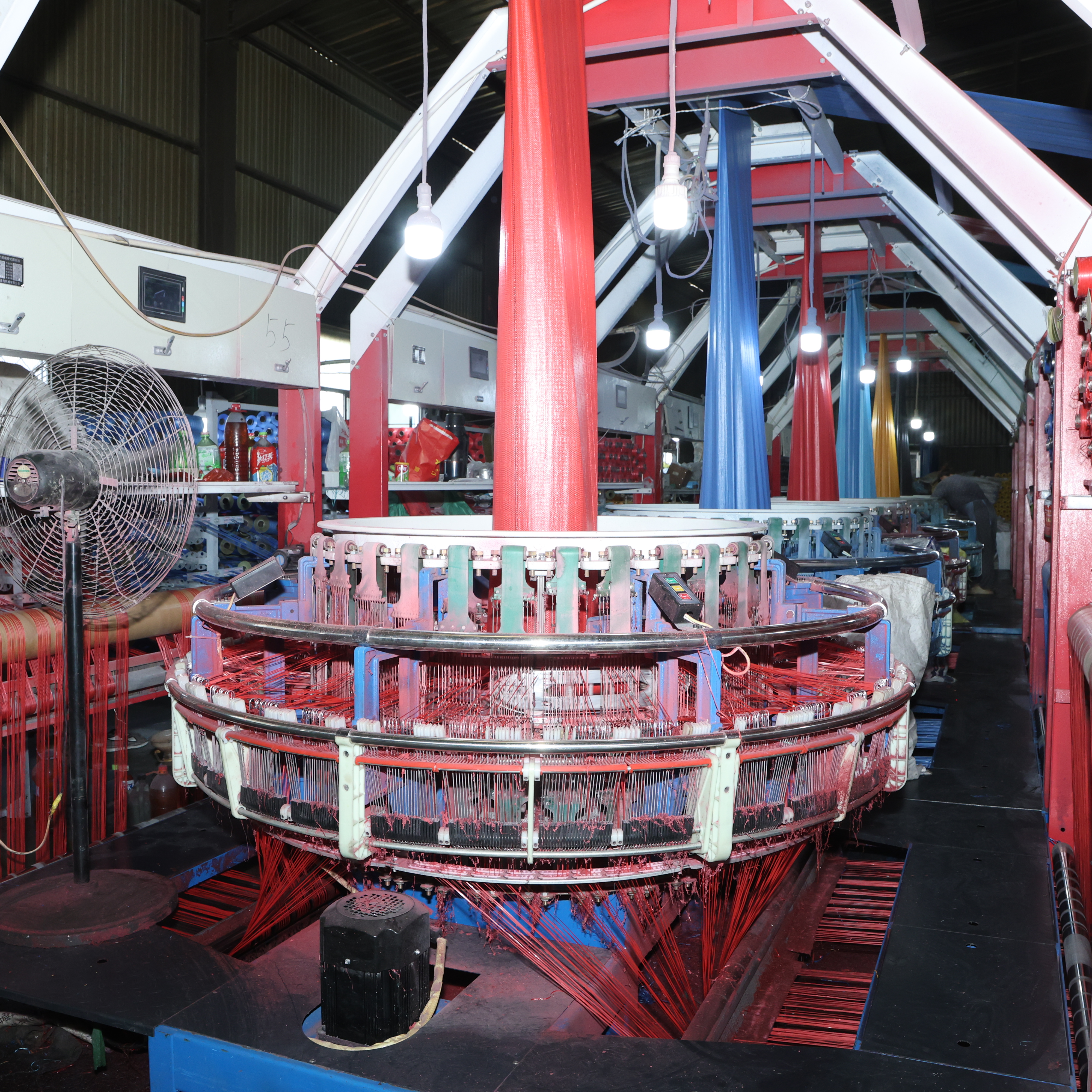
Choosing between a vertically integrated PP woven bag manufacturer and an outsourced woven bag supplier fundamentally shapes your supply chain reliability, cost structure, and production flexibility. This decision affects everything from lead times and quality control to pricing predictability and strategic agility in the marketplace.
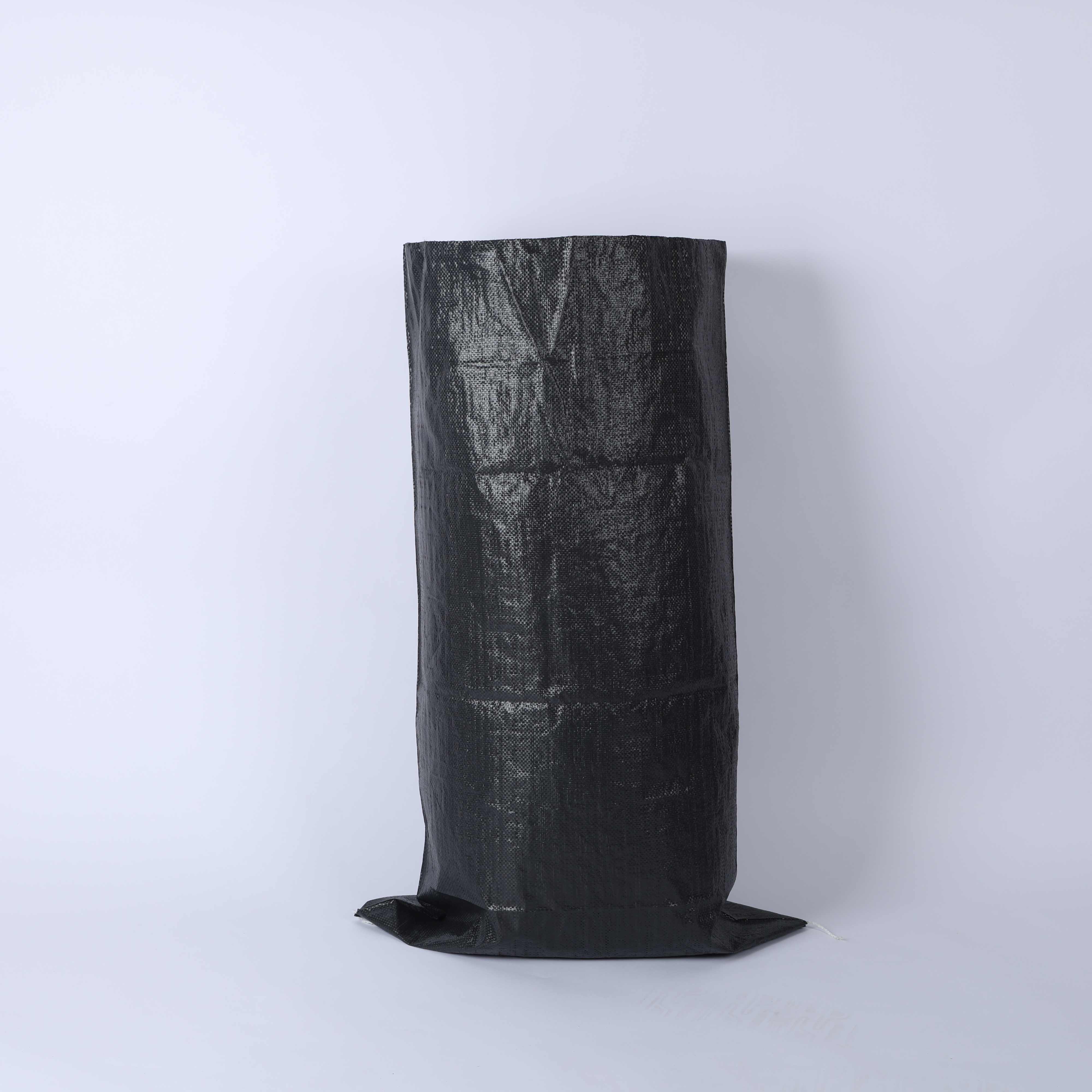
Understanding the operational, financial, and strategic differences between these two models allows procurement teams and brand owners to align their manufacturing approach with business objectives. Both approaches offer distinct advantages and trade-offs that require careful evaluation before committing to a long-term partnership.
A vertically integrated woven bag factory owns and operates every stage of pp bag production, from raw material procurement through finished goods delivery. This comprehensive ownership means direct control over material sourcing, resin quality, weaving parameters, printing processes, and final packaging. Quality consistency improves significantly because internal teams can enforce standardized procedures across all production phases without relying on external suppliers' compliance.
When a woven bag supplier operates vertically, they eliminate communication gaps and reduce the risk of quality degradation due to handoff errors. Inspectors and quality teams work within a single organizational structure, creating accountability and rapid feedback loops. For buyers requiring strict customization, technical specifications, or performance certifications, this unified control provides measurable confidence in product consistency.
Vertical integration demands substantial capital investment in equipment, facilities, and workforce across multiple stages. A PP woven bag manufacturer must invest in extrusion lines for resin processing, weaving looms, printing systems, cutting and sewing equipment, and storage infrastructure. This financial commitment locks resources into dedicated production capacity and reduces flexibility if market demand shifts unexpectedly.
Operating a fully integrated woven bag factory also increases complexity in inventory management, workforce training, and maintenance scheduling. Companies must maintain expertise across different production disciplines and manage the coordination of multiple departments. If one production stage experiences downtime, the entire chain may suffer unless redundant capacity exists, which further increases capital costs.
An outsourced woven bag supplier model allows buyers to purchase pp bag production without owning manufacturing infrastructure. Companies can quickly scale production volume up or down by adjusting purchase orders, rather than being constrained by fixed asset capacity. This flexibility is particularly valuable in seasonal industries or when testing new product variants without risking full-scale capital investment.
For emerging brands or organizations lacking manufacturing expertise, outsourcing to a dedicated custom pp woven bag supplier reduces barriers to market entry. Buyers avoid hiring specialists, managing complex production workflows, and maintaining expensive equipment. They can redirect capital toward marketing, distribution, or product development instead of manufacturing infrastructure.
Relying on external woven bag suppliers introduces supply chain vulnerability. If a supplier faces production delays, quality issues, or financial distress, buyers have limited direct control over resolution. Switching to an alternative woven bag factory takes time and may involve tooling adjustments, material reformulation, or contract negotiations that delay delivery to end customers.
Lead times for custom pp woven bags often extend when relying on third-party suppliers because communication and coordination layers add elapsed time. Rush orders may incur premium pricing, and minimum order quantities (MOQs) are typically higher to ensure the supplier's production efficiency. Buyers must maintain larger safety stock to buffer against variability in supplier performance.
High-volume, standardized pp bag production often favors vertical integration because the fixed cost of infrastructure amortizes across millions of units. Conversely, lower volumes, niche applications, or highly customized designs may benefit from outsourcing to a specialized woven bag supplier who spreads overhead across multiple customer orders. Buyers must calculate the breakeven volume where internal production becomes more cost-effective than outsourcing.
Complex customization requirements, including specialized printing, antimicrobial treatments, or engineered material blends, favor woven bag factories with dedicated expertise. If customization needs are simple and repetitive, a standard woven bag supplier may provide competitive pricing and faster turnaround.
Organizations with low risk tolerance and predictable demand may prefer the stability of owning a PP woven bag manufacturer. Companies operating in volatile markets or with unpredictable customer demand often benefit from the flexibility of outsourced suppliers. Strategic buyers sometimes employ a hybrid approach, maintaining in-house capacity for core products while outsourcing overflow and specialty items to external woven bag suppliers.
Financial strength and access to capital also influence the decision. Well-capitalized companies can justify vertical integration investment, while resource-constrained organizations rely on outsourcing to manage cash flow. The total cost of ownership, including capital depreciation, labor, maintenance, and overhead allocation, must be calculated honestly across a five to ten-year planning horizon to justify the chosen approach.
Vertically integrated pp bag production typically offers lower per-unit costs at high volumes because fixed infrastructure overhead is amortized across millions of bags. Outsourced woven bag suppliers charge higher unit prices at lower volumes because they spread overhead across multiple customers. Break-even volumes vary by geography, material costs, and production efficiency, but generally range from 500,000 to 2 million units annually. At lower volumes, outsourcing is usually more economical; at higher volumes, a dedicated woven bag factory becomes cost-competitive.
Outsourcing custom pp woven bags typically adds two to four weeks to timelines compared to internal production because design approval, tooling setup, and scheduling layers introduce delays. A vertically integrated woven bag manufacturer can prioritize custom orders internally and adjust production schedules more rapidly. However, experienced woven bag suppliers with established tooling libraries and automated processes can often match or beat internal lead times for repeat orders or standard customizations.
External woven bag suppliers introduce coordination risks, communication delays, and reduced direct quality oversight. If a supplier fails to meet specifications, corrective action takes longer and may disrupt downstream operations. A vertically integrated PP woven bag manufacturer eliminates external dependency but requires significant investment in quality systems, testing equipment, and expert personnel. The best approach often involves selecting a reputable woven bag factory with documented quality certifications, establishing contractual quality clauses, and conducting regular audits to mitigate external supplier risks.

Discover the 4 critical production metrics—throughput, defect rate, equipment uptime & on-time delivery—to vet factories confidently.

Ensure regulatory compliance & worker safety with proven methods for chemical woven bags—material selection, labeling, storage & training.

Discover the full PP woven bag manufacturing workflow—from extrusion & weaving to printing & QC. Boost efficiency, compliance & ROI. Download the process guide now.

Struggling with weak bags or high material waste? Master extrusion and tape drawing tech for stronger, cheaper PP woven bags. Optimize your production line now.

Struggling with defects or customer returns? Discover the 5 non-negotiable quality checkpoints across your woven bag production line
Which automation tier is right for your PP woven bag factory? Compare manual to Industry 4.0 systems for cost, quality, and scalability.
Get in touch for details on polypropylene woven bags and flexible packaging solutions.
Tel
Address
No.2015, Liaoyuan Building, Lanshan District, Linyi City, Shandong Province.China

