 EN
How to Assess Production Efficiency at a PP Woven Bag Factory
Discover the 4 critical production metrics—throughput, defect rate, equipment uptime & on-time delivery—to vet factories confidently.

2026/08/11
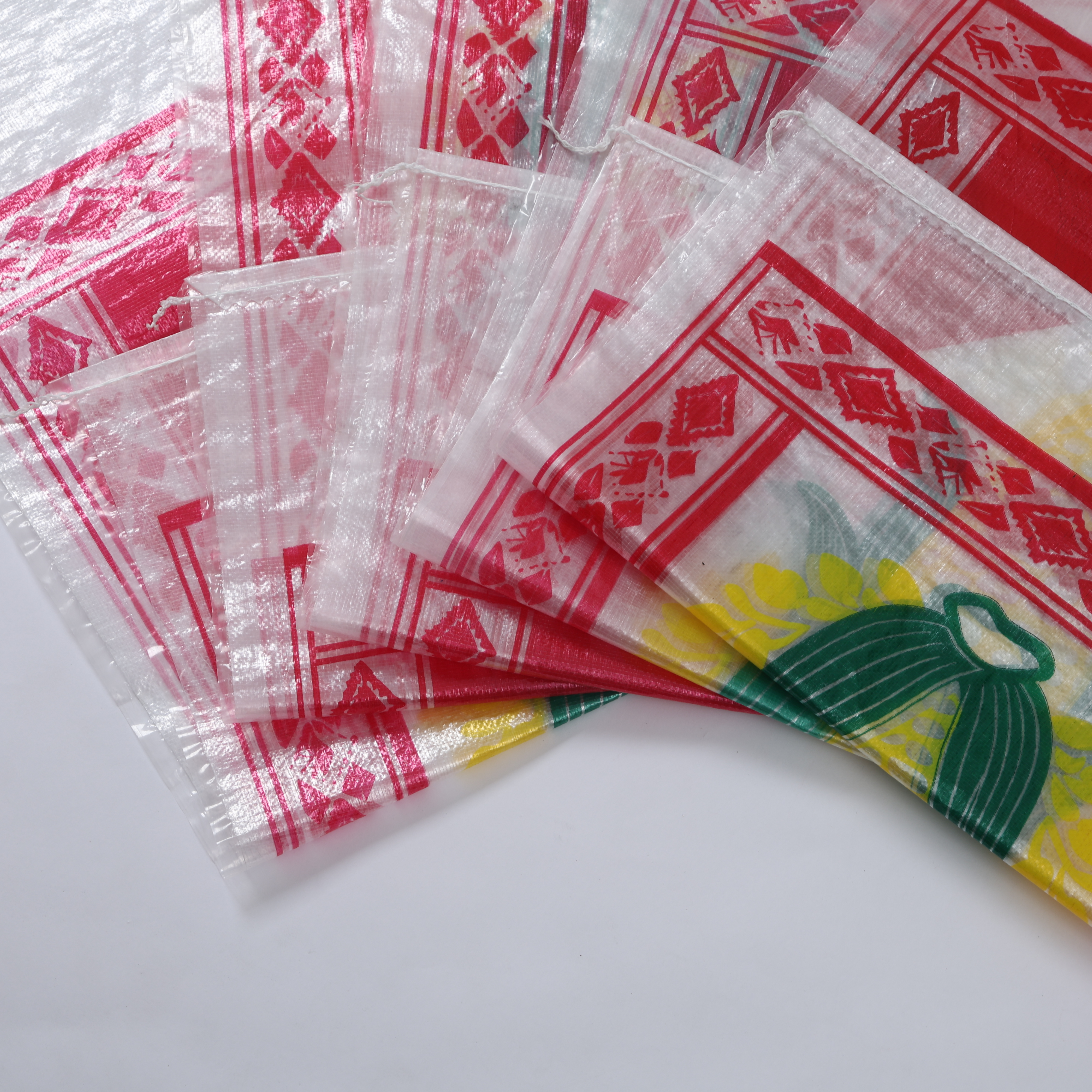
The inner liner is a critical component of modern grain storage solutions, yet its role in protecting rice and maintaining product quality is often overlooked. When selecting a rice packaging bag for commercial distribution, understanding the function of the inner liner separates effective storage from inadequate protection. The inner liner acts as a moisture and oxygen barrier, safeguarding stored grain from environmental contaminants, humidity fluctuations, and pest infiltration. This protective layer directly impacts the shelf life, nutritional integrity, and market value of rice products throughout the supply chain.
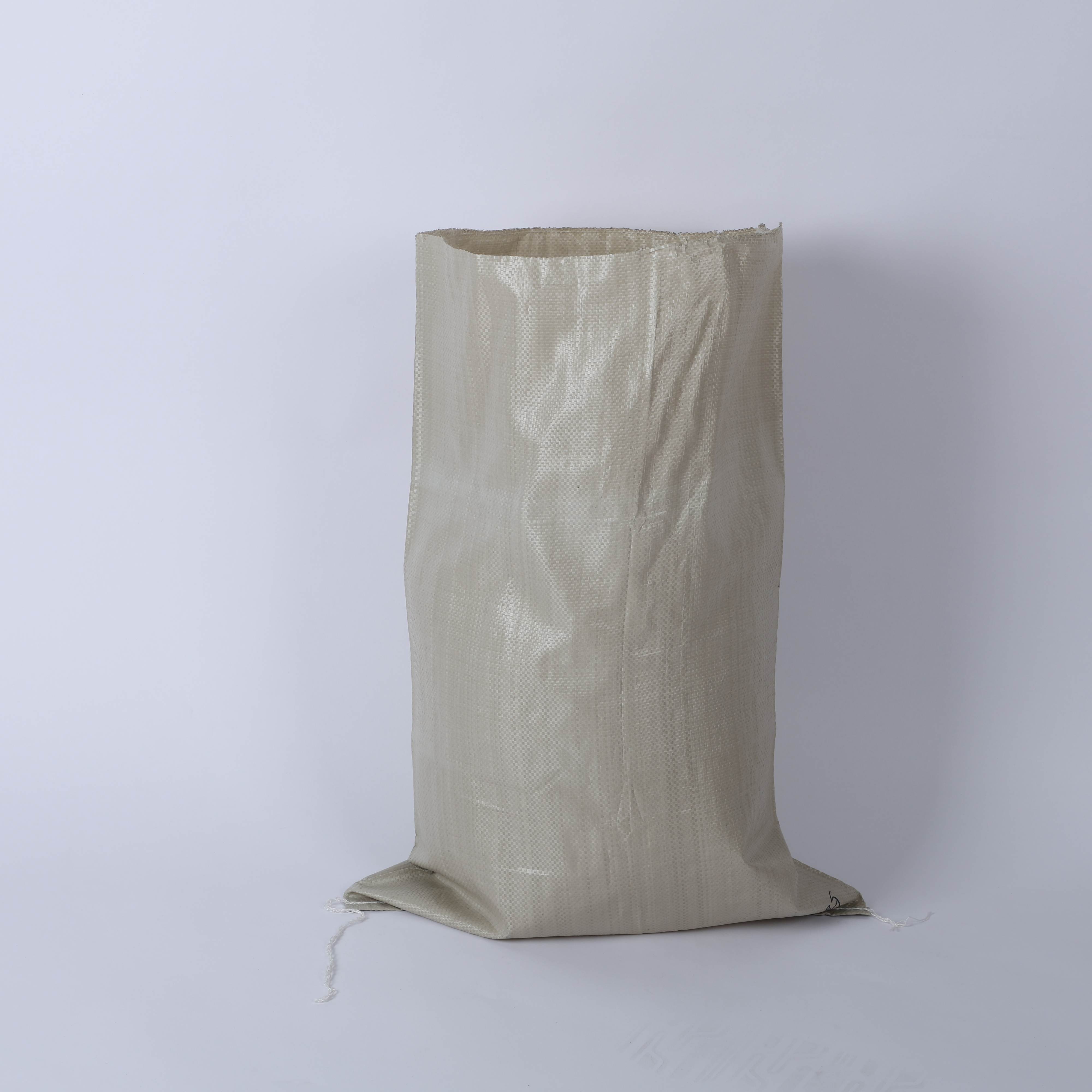
Rice woven bags have dominated agricultural packaging for decades, but their effectiveness depends fundamentally on the inner liner system. A properly engineered inner liner transforms a basic woven structure into a professional-grade storage vessel capable of maintaining rice freshness under demanding conditions. Whether you manage a rice mill, export operation, or distribution center, recognizing how the inner liner functions within your pp rice sack design ensures that your product reaches consumers in optimal condition. This article explores the mechanical, chemical, and practical dimensions of inner liner technology in rice packaging bags.
The inner liner serves as the first line of defense against ambient moisture penetration in a rice woven bag. When rice absorbs excessive moisture, it becomes prone to mold growth, fungal contamination, and premature sprouting, all of which compromise nutritional quality and market acceptability. The liner material, typically low-density polyethylene (LDPE) or polypropylene-based film, creates a sealed microclimate inside the grain storage bag that maintains stable moisture content regardless of external humidity levels. In tropical and subtropical climates where humidity can exceed 80 percent, this barrier becomes essential for preventing quality degradation during warehousing and transport.
Different rice packaging bags employ inner liners with varying vapor transmission rates (VTR), which measure how much water vapor passes through the film per unit area over time. A high-quality pp rice sack incorporates a liner with low VTR, typically between 2 to 5 grams per square meter per day, ensuring minimal moisture exchange between the external environment and stored grain. Manufacturers match liner thickness and material composition to the expected storage duration and climate conditions where the rice bag will be distributed. Thicker liners provide superior protection but increase overall packaging costs, making the balance between protection level and economic viability a key consideration in grain storage bag design.
Rice contains natural oils and micronutrients that deteriorate when exposed to atmospheric oxygen over extended periods. The inner liner of a rice woven bag minimizes oxygen ingress, slowing oxidative rancidity that causes off-flavors, discoloration, and nutritional loss. By reducing the oxygen concentration within the sealed rice packaging bag environment, the liner preserves the natural aroma, color, and sensory qualities that consumers expect. In export markets where rice travels across oceans for several months, an effective oxygen barrier directly translates to improved product grades and premium pricing at destination ports.
Studies in grain storage demonstrate that properly lined pp rice sacks can extend usable shelf life by 50 to 100 percent compared to unlined woven alternatives. The oxygen-barrier function becomes especially valuable for specialty rice varieties, aromatic rice, and parboiled rice, where flavor preservation commands market premiums. Exporters and processors who invest in quality inner liners within their rice bag systems report fewer customer complaints, reduced waste in distribution channels, and stronger brand reputation. The grain storage bag becomes a marketing differentiator when quality metrics consistently meet or exceed buyer specifications due to superior liner protection.
Beyond moisture and oxygen, the inner liner of a rice packaging bag creates a physical barrier against insects, rodents, and external contaminants that could compromise food safety. Storage facilities often encounter diverse pest pressures—from grain beetles to rodent activity—that can destroy or contaminate large quantities of rice. The sealed inner liner within the rice woven bag prevents direct pest access to stored grain, reducing reliance on chemical fumigation and insecticide treatments. This protective function is particularly critical in organic and premium rice production, where chemical-free storage practices demand robust mechanical barriers instead of pesticide interventions.
A well-designed inner liner reinforces the structural integrity of the pp rice sack during handling, stacking, and transport. The liner prevents grain particles from abrading against the woven exterior, which reduces dust generation and maintains cleanliness in warehouses and retail environments. Broken or poorly sealed liners allow grain leakage, creating hygiene issues and product loss that directly impact profitability. Quality grain storage bags incorporate liners engineered to withstand rough handling while maintaining complete seal integrity, ensuring that rice reaches end-users in the condition it left the processing facility.
Inner liner thickness in rice packaging bags typically ranges from 40 to 120 micrometers, depending on storage duration, climate conditions, and transport method. Standard commercial rice woven bags use 80 to 100 micrometer liners for domestic distribution and short-term storage. Export-grade pp rice sacks destined for long-ocean voyages often employ 100 to 120 micrometer liners to ensure maximum protection during months of marine transport and variable humidity exposure. Thicker liners increase material costs but provide superior oxygen and moisture barriers, making the investment worthwhile for premium rice varieties and extended storage scenarios.
Most inner liners in rice bags are made from polyethylene or polypropylene films that can be recycled, though contamination from rice residue sometimes complicates processing. Clean grain storage bag liners are increasingly being recovered and processed into secondary plastic products, supporting circular economy initiatives in agricultural regions. The recyclability of rice packaging bag liners depends on separation practices at collection points and the specific polymer composition used by manufacturers. Forward-thinking producers are developing compostable and biodegradable liner alternatives, though these currently command premium prices and offer slightly lower barrier performance compared to conventional pp rice sack materials.
Hot, humid climates demand inner liners with lower vapor transmission rates and thicker construction to combat aggressive moisture infiltration in rice woven bags. Conversely, dry, cool climates permit use of thinner, more economical liners since environmental moisture pressure is minimal. Rice packaging bags distributed globally must balance climate adaptability with cost efficiency, often using regional liner specifications to optimize protection-to-cost ratios. Exporters analyze destination climate data and storage facility conditions before finalizing rice bag specifications, ensuring that their grain storage bags perform reliably across diverse environmental conditions encountered during international trade.

Discover the 4 critical production metrics—throughput, defect rate, equipment uptime & on-time delivery—to vet factories confidently.

Ensure regulatory compliance & worker safety with proven methods for chemical woven bags—material selection, labeling, storage & training.

Discover the full PP woven bag manufacturing workflow—from extrusion & weaving to printing & QC. Boost efficiency, compliance & ROI. Download the process guide now.

Struggling with weak bags or high material waste? Master extrusion and tape drawing tech for stronger, cheaper PP woven bags. Optimize your production line now.

Struggling with defects or customer returns? Discover the 5 non-negotiable quality checkpoints across your woven bag production line
Which automation tier is right for your PP woven bag factory? Compare manual to Industry 4.0 systems for cost, quality, and scalability.
Get in touch for details on polypropylene woven bags and flexible packaging solutions.
Tel
Address
No.2015, Liaoyuan Building, Lanshan District, Linyi City, Shandong Province.China

