 EN
How to Assess Production Efficiency at a PP Woven Bag Factory
Discover the 4 critical production metrics—throughput, defect rate, equipment uptime & on-time delivery—to vet factories confidently.

2026/08/18
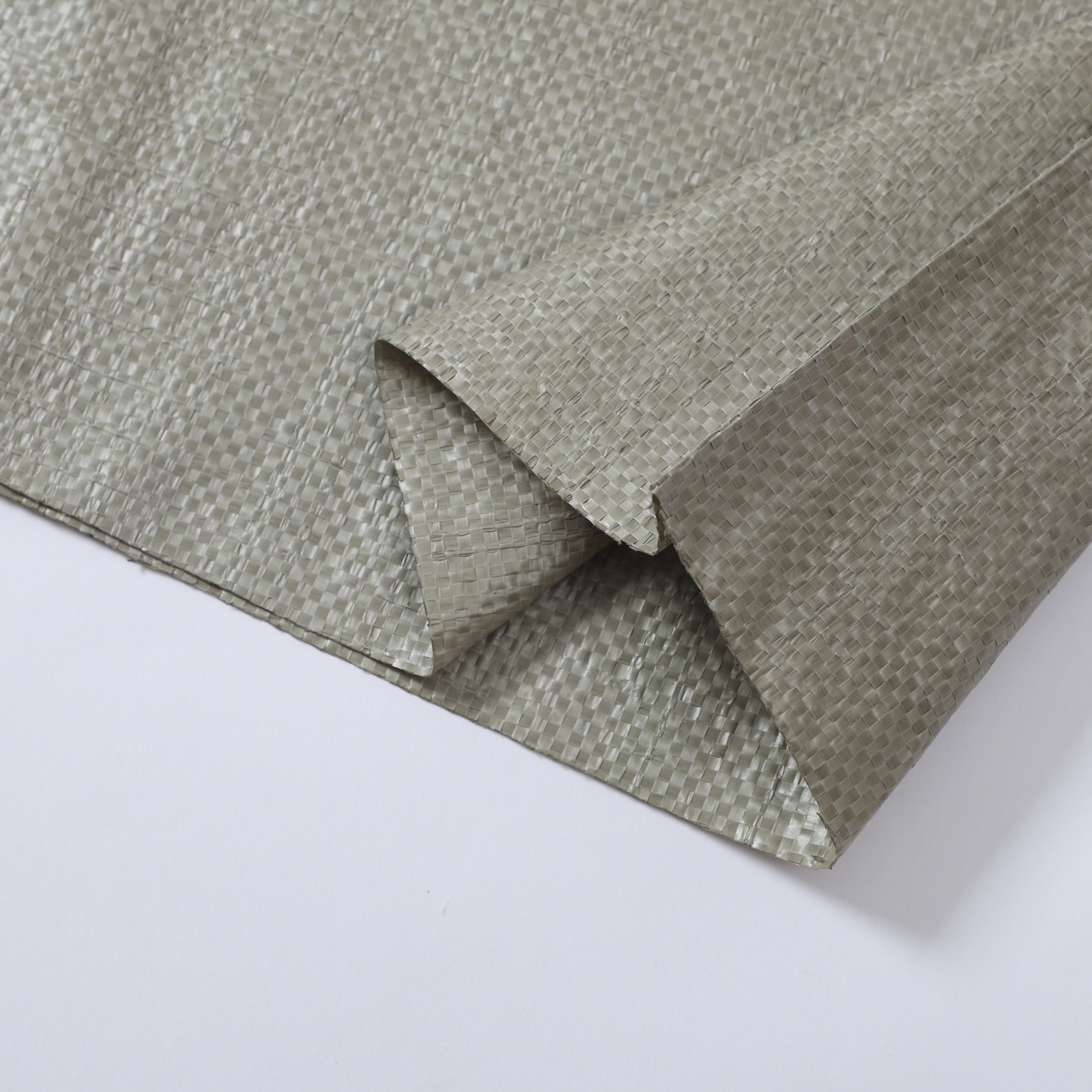
Agricultural bags play a critical role in protecting crops throughout harvest, storage, and transport cycles. When field conditions turn damp, moisture exposure becomes a primary concern that can compromise product quality, reduce shelf life, and create financial losses for farming operations. Understanding the available fabric treatment options for agricultural bags is essential for growers and agricultural businesses seeking to maintain crop integrity in challenging environmental conditions. The right treatment approach can mean the difference between successful storage and significant spoilage.
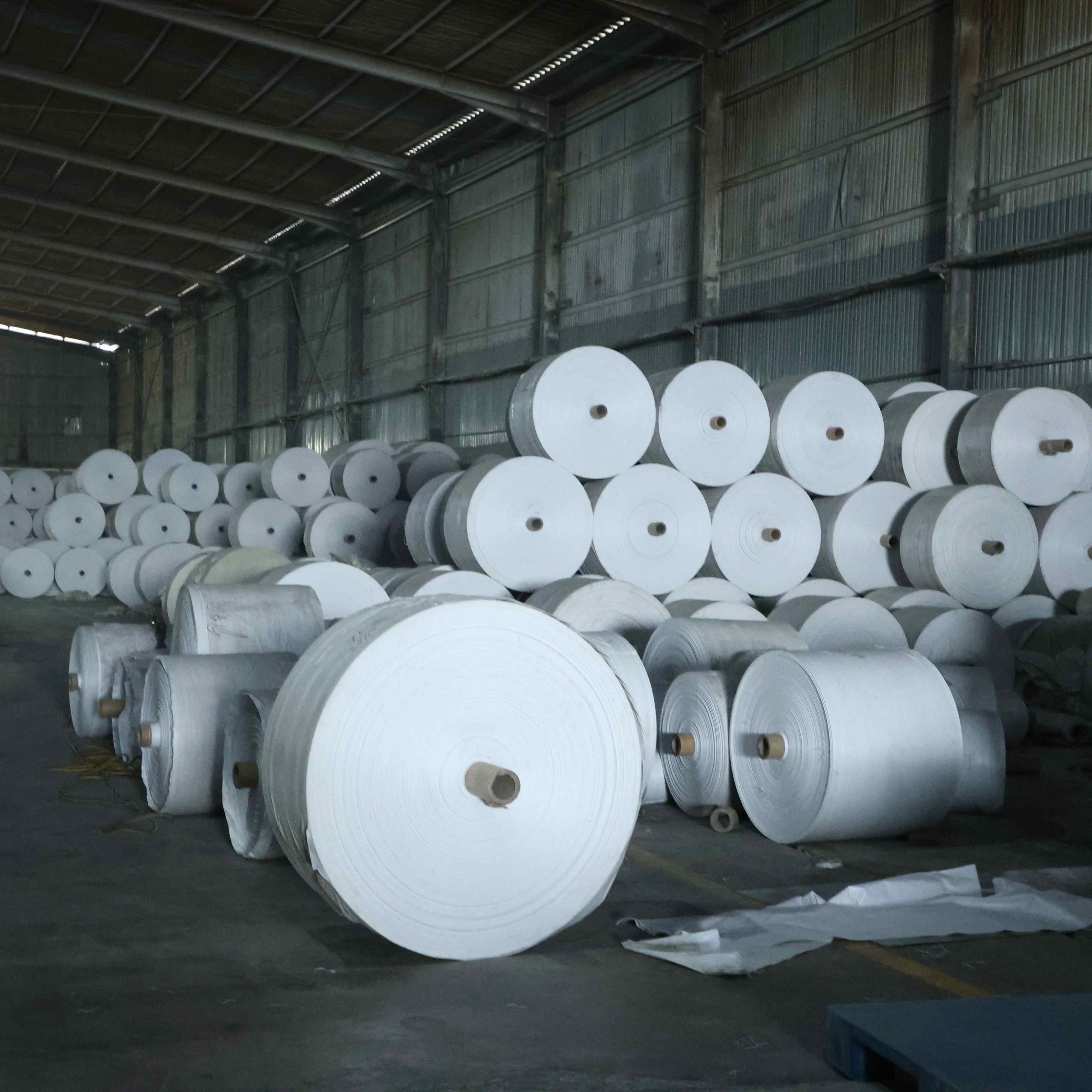
Damp field conditions present unique challenges for agricultural packaging. Moisture seeping into storage areas, field humidity, and water exposure during handling can all threaten the effectiveness of standard agricultural bags. Modern fabric treatment solutions have evolved to address these challenges while maintaining durability and cost-effectiveness. A thorough understanding of available treatment options empowers agricultural professionals to select the most suitable agricultural bags for their specific operational needs and environmental conditions.
Agricultural packaging manufacturers employ several advanced coating systems to create effective moisture barriers within farm produce bag designs. Lamination technology bonds moisture-resistant layers to pp agricultural sack base materials, creating a multi-layer protection system that prevents water infiltration while allowing controlled air circulation necessary for stored crops. These protective layers work by creating a physical barrier that water molecules cannot easily penetrate, significantly extending the usable lifespan of crop storage bags in humid or wet conditions.
Polyethylene and polypropylene-based coatings represent the most common approach in commercial agricultural packaging. These materials bond tightly to the fabric surface, creating a seamless barrier that maintains structural integrity even when exposed to repeated moisture and temperature fluctuations. The coating thickness directly impacts performance, with heavier applications providing superior protection in extremely damp field conditions. Choosing pp agricultural sack products with appropriate coating weight ensures reliable protection matching your specific storage environment and duration requirements.
Chemical treatment methods enhance the inherent moisture resistance of agricultural packaging materials through specialized compounds applied during manufacturing. These treatments penetrate the fabric fibers, improving water repellency at the molecular level without adding significant weight or bulk to farm produce bag designs. Chemical treatments work synergistically with barrier coatings, creating multi-layer protection against moisture infiltration. This combined approach is particularly effective in damp field conditions where traditional woven fabrics alone prove insufficient.
Silicone-based treatments and fluorocarbon compounds represent advanced options in agricultural packaging technology. These chemical solutions create hydrophobic surfaces that actively repel water droplets rather than simply blocking moisture penetration. The treatment process maintains fabric flexibility and breathability, critical properties for crop storage bags that must accommodate temperature changes and gas exchange within stored products. Agricultural packaging specialists often recommend chemical treatments for operations requiring long-term storage in persistently damp environments.
Laminated agricultural packaging combines multiple material layers into unified structures that provide superior protection compared to single-layer alternatives. The lamination process bonds durable outer layers to the pp agricultural sack fabric base, creating composites that resist moisture, tearing, and environmental degradation simultaneously. This construction approach significantly extends the functional lifespan of crop storage bags, reducing replacement frequency and improving overall cost-effectiveness for agricultural operations. Laminated designs perform exceptionally well in damp field conditions where exposure to moisture and physical stress occurs continuously.
The innermost layer of laminated agricultural packaging typically features moisture-resistant properties that directly contact stored crops, preventing condensation damage and mold growth. Middle layers provide structural reinforcement and tear resistance, while outer layers offer environmental protection against rain, soil contact, and UV radiation. This sophisticated construction method addresses multiple failure modes simultaneously, making laminated farm produce bag options ideal for challenging damp field conditions. Agricultural businesses benefit from reduced spoilage rates and improved product marketability when selecting appropriately laminated packaging solutions.
Laminated agricultural bags demonstrate measurable performance advantages in independent testing and real-world agricultural applications. Water penetration testing shows that properly laminated crop storage bags reduce moisture ingress by 85 to 95 percent compared to untreated woven alternatives. These performance improvements directly translate to reduced crop losses, extended storage periods, and better product quality for farmers operating in moisture-heavy environments. The investment in high-quality laminated agricultural packaging typically generates return through improved harvest value and reduced waste.
Tensile strength and puncture resistance improve significantly in laminated designs, providing secondary benefits beyond moisture protection. Damp field conditions often involve muddy soil contact, rough handling, and abrasive storage surfaces that stress standard packaging materials. Laminated pp agricultural sack products withstand these stresses more effectively, reducing bag failure and product loss due to packaging failure rather than environmental factors. Agricultural operations can confidently handle and store products with less concern about packaging-related damage in challenging damp conditions.
Successful agricultural bag selection begins with accurate assessment of specific damp field conditions your operation faces. Evaluate average humidity levels, anticipated water exposure frequency, storage duration, and temperature fluctuation patterns within your agricultural environment. Consider whether conditions involve intermittent damp periods or persistent high-moisture environments, as this distinction significantly impacts treatment effectiveness requirements. Operations storing farm produce bags in flood-prone areas require more aggressive fabric treatments than those in seasonally damp regions with occasional moisture exposure.
Document historical crop losses and damage patterns related to moisture to establish baseline performance requirements for agricultural packaging. Review storage location conditions, including proximity to water sources, roof integrity, and drainage adequacy. Understanding your specific risk profile enables more precise fabric treatment specification when sourcing crop storage bags from agricultural packaging suppliers. This analytical approach ensures you invest in appropriate protection levels without overspending on excessive treatments unnecessary for your operational environment.
Integration of treated agricultural bags into existing agricultural workflows requires minimal operational adjustment while delivering significant protection benefits. Standard handling procedures work effectively with all treated agricultural packaging options, eliminating the need for specialized equipment or training. Farm produce bag treatments remain stable throughout typical storage periods, maintaining protective properties without degradation or performance loss over months of damp field exposure. Agricultural operations can confidently transition to treated packaging solutions without disrupting established agricultural practices or procedures.
Cost-benefit analysis should extend beyond packaging material expenses to include avoided crop losses, reduced replacement bag purchases, and improved product marketability. High-quality laminated or chemically treated agricultural bags often cost 15 to 30 percent more than untreated alternatives but deliver significantly greater value through improved crop protection. Long-term agricultural profitability improves substantially when moisture-related crop losses diminish through proper fabric treatment investment. Sustainable agricultural operations recognize proper packaging as an essential component of comprehensive crop protection strategy rather than an optional expense.
Laminated agricultural packaging protects against moisture exposure levels typical in damp field conditions, including persistent humidity up to 95 percent relative humidity and direct water contact during handling or storage. The protection effectiveness depends on lamination quality and barrier coating thickness, with premium agricultural bags maintaining integrity through extended periods of high moisture exposure. Most laminated crop storage bag designs prevent meaningful moisture penetration for 6 to 24 months depending on treatment specification and environmental conditions, making them suitable for extended storage in damp agricultural environments.
Chemical treatments and laminated construction represent complementary approaches rather than complete alternatives in agricultural packaging design. Chemically treated pp agricultural sack products offer moisture resistance suitable for moderately damp field conditions and shorter storage periods, often at lower cost than laminated options. However, laminated agricultural bags provide superior protection for persistently damp environments and extended storage duration. Many premium farm produce bag solutions combine both chemical treatment and laminated construction to maximize moisture protection while maintaining cost efficiency appropriate for agricultural budgets.
Selecting appropriate fabric treatment for agricultural bags depends on crop sensitivity to moisture, storage duration, damp field condition severity, and budget constraints within your operation. Hygroscopic crops like grains and legumes require more aggressive moisture protection than root vegetables tolerant of moderate humidity exposure. Consult with agricultural packaging specialists about your specific crop type and storage requirements to receive targeted recommendations for laminated or chemically treated agricultural packaging options. Request product samples and performance documentation that verify protection levels matching your damp field conditions before committing to large-volume agricultural bag purchases.

Discover the 4 critical production metrics—throughput, defect rate, equipment uptime & on-time delivery—to vet factories confidently.

Ensure regulatory compliance & worker safety with proven methods for chemical woven bags—material selection, labeling, storage & training.

Discover the full PP woven bag manufacturing workflow—from extrusion & weaving to printing & QC. Boost efficiency, compliance & ROI. Download the process guide now.

Struggling with weak bags or high material waste? Master extrusion and tape drawing tech for stronger, cheaper PP woven bags. Optimize your production line now.

Struggling with defects or customer returns? Discover the 5 non-negotiable quality checkpoints across your woven bag production line
Which automation tier is right for your PP woven bag factory? Compare manual to Industry 4.0 systems for cost, quality, and scalability.
Get in touch for details on polypropylene woven bags and flexible packaging solutions.
Tel
Address
No.2015, Liaoyuan Building, Lanshan District, Linyi City, Shandong Province.China

