 EN
How to Assess Production Efficiency at a PP Woven Bag Factory
Discover the 4 critical production metrics—throughput, defect rate, equipment uptime & on-time delivery—to vet factories confidently.

2026/09/07
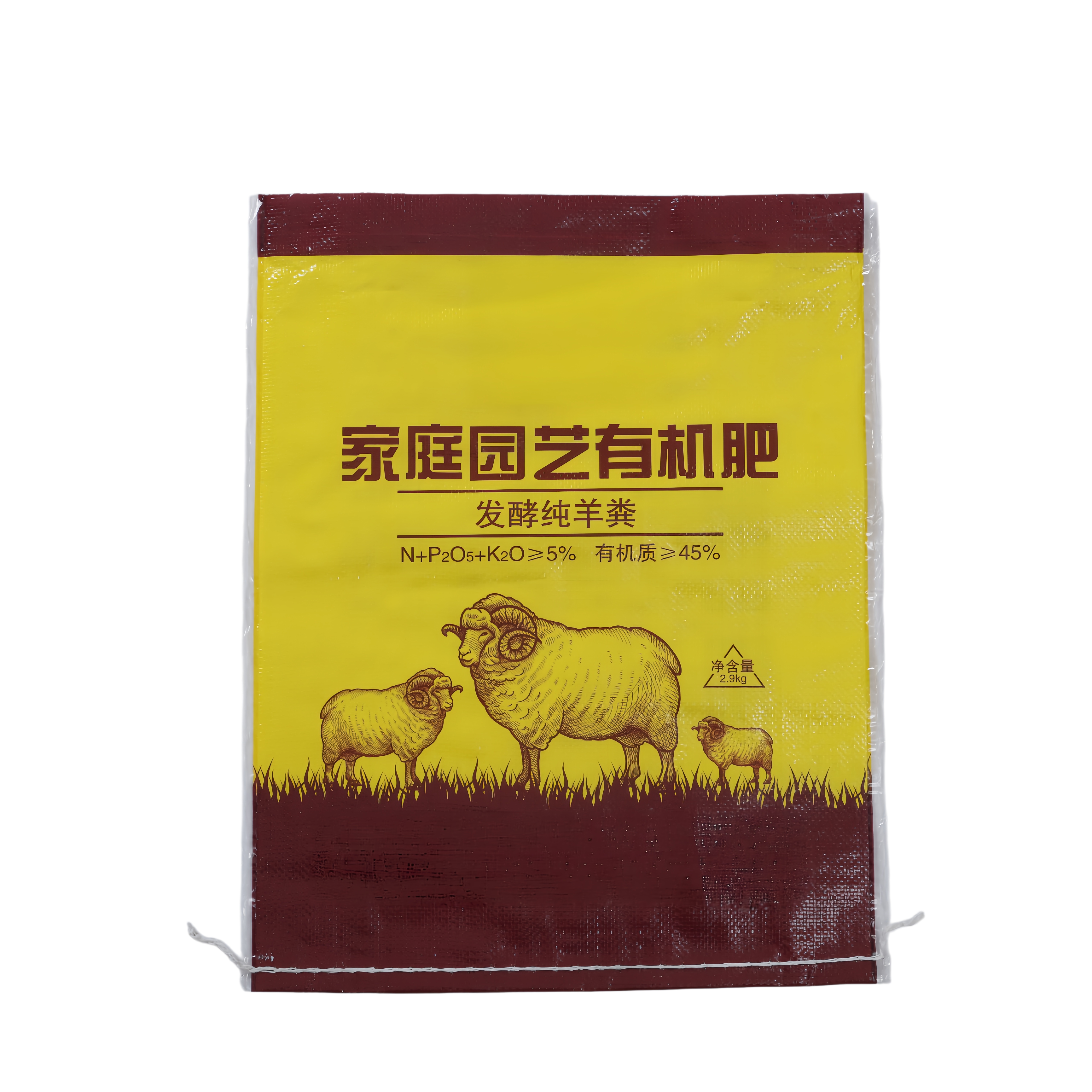
Selecting the correct fabric base is fundamental to achieving effective lamination bonding in packaging applications. The foundation material determines not only the structural integrity of your final product but also its performance characteristics in storage, transport, and use. Whether you're manufacturing laminated bags for food, chemicals, or industrial goods, the fabric base choice directly impacts how well the lamination layer adheres, how long the package remains functional, and ultimately whether your product reaches customers in perfect condition.
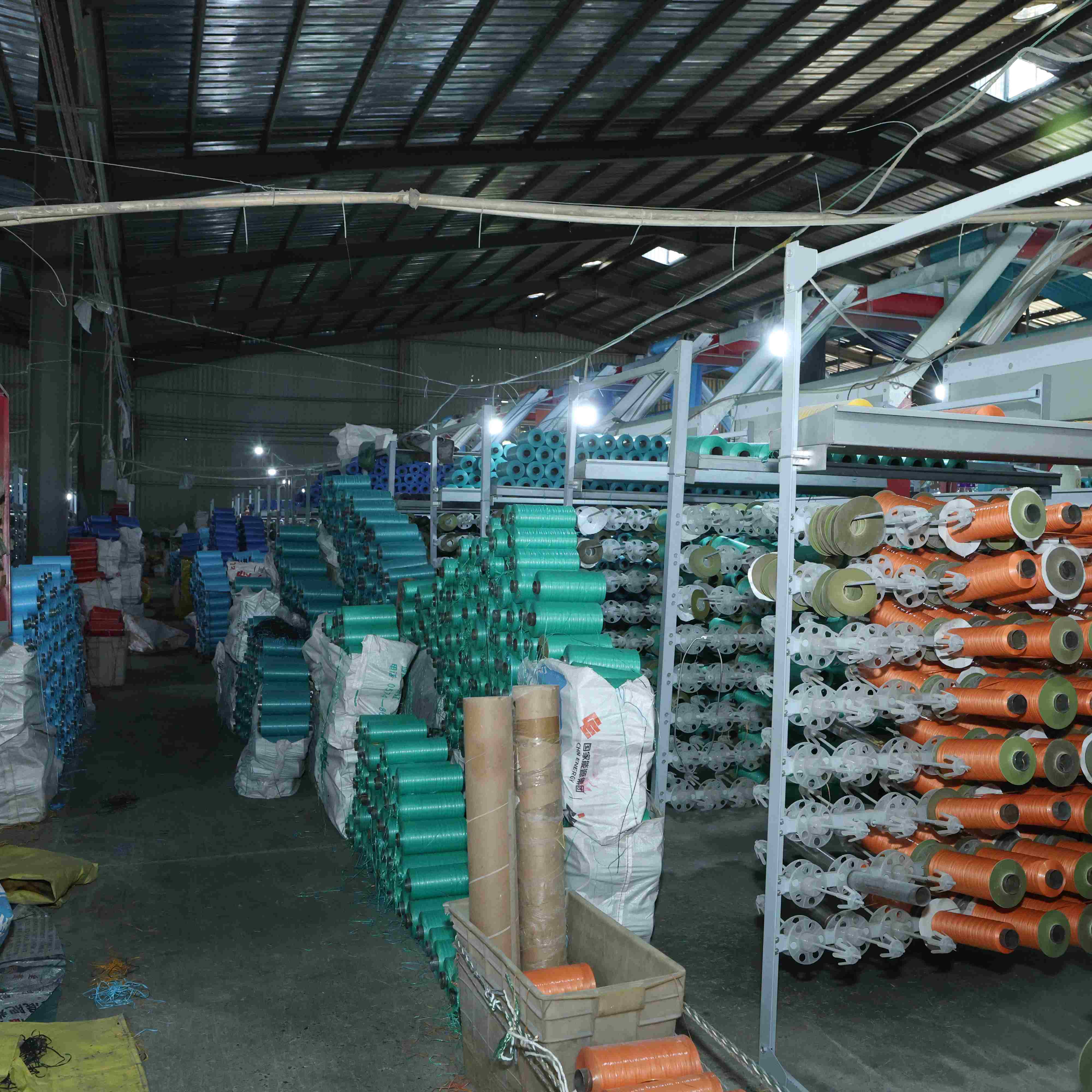
The lamination bonding process creates a composite material where polymer layers fuse to a fabric substrate, resulting in products like laminated pp bags and coated packaging bags that offer superior barrier protection. Understanding fabric base properties allows manufacturers and procurement teams to optimize their packaging solutions while controlling costs and meeting customer specifications. This guide explores the critical factors in fabric base selection for achieving durable, reliable laminated sack performance.
Polypropylene woven fabric serves as the primary substrate for most industrial laminated pp bag production. This material offers excellent chemical resistance, lightweight handling, and cost-effective manufacturing. The woven structure provides mechanical strength while maintaining the surface porosity necessary for effective adhesion during lamination bonding. PP woven fabrics typically feature a multifilament yarn construction that creates uniform surface characteristics, allowing lamination layers to bond consistently across the entire fabric area.
The fabric's denier count and weave density directly influence how well lamination adhesives penetrate and cure. Higher denier counts produce thicker, more robust substrates that can withstand greater tensile stress, particularly important for heavy-duty laminated bags. The weave pattern affects surface texture, and tighter weaves generally provide superior bonding surfaces compared to loose constructions. For moisture proof bag applications, the fabric base must have sufficient structural integrity to support barrier coatings without wrinkling or delaminating during use.
Beyond standard polypropylene, manufacturers can select from cotton blends, kraft paper, and specialty synthetics for specific lamination bonding requirements. Cotton-based materials offer natural moisture absorption characteristics, while kraft paper provides enhanced barrier properties for certain food and pharmaceutical applications. These alternatives require adjusted lamination parameters and adhesive formulations compared to standard laminated pp bag production. Selecting the correct base material depends on your end-use requirements, regulatory compliance needs, and the specific barrier protection your coated packaging bag must deliver.
Fabric base preparation significantly impacts lamination bonding success and the durability of your finished laminated sack. Most PP woven substrates benefit from corona discharge or flame treatment, which increases surface energy and enhances polymer adhesion. This pretreatment creates micro-scale surface modifications that allow adhesive molecules to penetrate fabric fibers more effectively, resulting in stronger bonds and reduced delamination risk. Without proper surface treatment, even high-quality adhesives may fail to create permanent bonds with the fabric base.
Moisture content in the fabric base also influences bonding performance. Excessive moisture prevents proper adhesive flow and can trap water between layers, compromising the integrity of your laminated bags. Storage conditions prior to lamination must control humidity levels, typically maintaining fabric moisture between 8 and 12 percent. Proper environmental control during storage, transport, and processing ensures consistent bonding quality across production batches.
Different fabric bases require specific adhesive chemistries to achieve reliable lamination bonding. For polypropylene woven substrates used in laminated pp bag manufacturing, polyurethane and acrylic-based adhesives offer excellent performance. These adhesives develop strong covalent bonds with treated fabric surfaces while maintaining flexibility in the finished coated packaging bag. The choice between water-based and solvent-based formulations affects processing equipment, environmental compliance, and the specific performance profile of your moisture proof bag.
Adhesive coverage uniformity is equally important as chemical compatibility. Uneven application can create delamination initiation points where moisture proof bag performance fails prematurely. Modern lamination equipment employs precision coating systems to maintain consistent adhesive weights across the fabric substrate. Monitoring adhesive viscosity, temperature, and application pressure ensures that your laminated sack production achieves repeatable quality and reliable barrier function throughout shelf life.
Strategic fabric base selection enables manufacturers to optimize the total value proposition of laminated bags. Premium woven fabrics with higher denier ratings deliver superior tear resistance and puncture strength, justifying higher material costs for applications requiring maximum durability. Conversely, lighter fabric bases reduce raw material expense while still providing adequate performance for many laminated pp bag applications where extreme mechanical stress isn't a concern. The key is matching fabric properties to actual performance requirements rather than over-specifying or under-delivering.
The lamination bonding strength directly correlates with fabric base quality and surface characteristics. A laminated sack manufactured with optimized fabric selection exhibits superior peel resistance, meaning the lamination layer remains permanently bonded even under stress conditions. For moisture proof bag applications where barrier integrity determines product shelf life, fabric base selection becomes a critical cost-control lever. A slightly upgraded fabric base often delivers better overall performance than attempting to compensate through heavier lamination coatings.
Fabric base selection intersects with sustainability and regulatory requirements affecting coated packaging bag acceptability in target markets. Some applications demand food-contact compliance, requiring certified virgin polypropylene rather than recycled materials. Other markets increasingly favor recyclable or compostable options, influencing fabric substrate choices. Understanding these requirements during fabric base selection prevents costly production changes or product rejections after lamination bonding is complete.
The environmental profile of your fabric substrate also affects adhesive and coating selection, since some lamination processes generate stronger emissions than others. Water-based adhesives work most effectively with well-prepared fabric surfaces, while solvent-based systems may tolerate less stringent surface treatment. Aligning fabric properties with low-emission lamination processes reduces environmental impact while maintaining the barrier function of your laminated bags. This integrated approach to material selection creates sustainable coated packaging bag solutions without sacrificing durability or market acceptance.
Optimal fabric weight depends on your application's mechanical stress requirements. Typical laminated pp bag production uses fabrics in the 60 to 120 gsm range, with heavier weights providing greater tear and puncture resistance. For general-purpose packaging, 80-100 gsm fabrics offer excellent balance between strength, cost, and processing performance. Heavy-duty applications demanding maximum durability benefit from 120+ gsm substrates, while lightweight applications can economize with 60-70 gsm fabrics. Your supplier can recommend appropriate weights based on your specific laminated sack use case.
Surface treatment such as corona discharge increases the surface energy of fabric bases, allowing adhesive molecules to wet and penetrate fabric fibers more effectively. This creates stronger molecular-level bonds between the substrate and lamination coatings, resulting in superior peel resistance and reduced delamination risk in finished laminated bags. Treated surfaces also improve moisture proof bag performance by eliminating microscopic voids where water vapor might migrate. Without proper treatment, even premium fabric bases cannot achieve optimal lamination bonding reliability.
Recycled polypropylene can be used for many laminated sack applications, though quality and food-contact compliance requirements may restrict use in sensitive markets. Recycled materials sometimes exhibit inconsistent properties and may contain contaminants affecting adhesion and barrier performance. For moisture proof bag applications where barrier integrity is critical, virgin or high-grade recycled materials with strict quality controls ensure reliable coated packaging bag performance. Consult with your fabric supplier regarding specific recyclability certifications and lamination bonding compatibility for your intended application.

Discover the 4 critical production metrics—throughput, defect rate, equipment uptime & on-time delivery—to vet factories confidently.

Ensure regulatory compliance & worker safety with proven methods for chemical woven bags—material selection, labeling, storage & training.

Discover the full PP woven bag manufacturing workflow—from extrusion & weaving to printing & QC. Boost efficiency, compliance & ROI. Download the process guide now.

Struggling with weak bags or high material waste? Master extrusion and tape drawing tech for stronger, cheaper PP woven bags. Optimize your production line now.

Struggling with defects or customer returns? Discover the 5 non-negotiable quality checkpoints across your woven bag production line
Which automation tier is right for your PP woven bag factory? Compare manual to Industry 4.0 systems for cost, quality, and scalability.
Get in touch for details on polypropylene woven bags and flexible packaging solutions.
Tel
Address
No.2015, Liaoyuan Building, Lanshan District, Linyi City, Shandong Province.China

