 EN
How to Assess Production Efficiency at a PP Woven Bag Factory
Discover the 4 critical production metrics—throughput, defect rate, equipment uptime & on-time delivery—to vet factories confidently.

2026/09/01
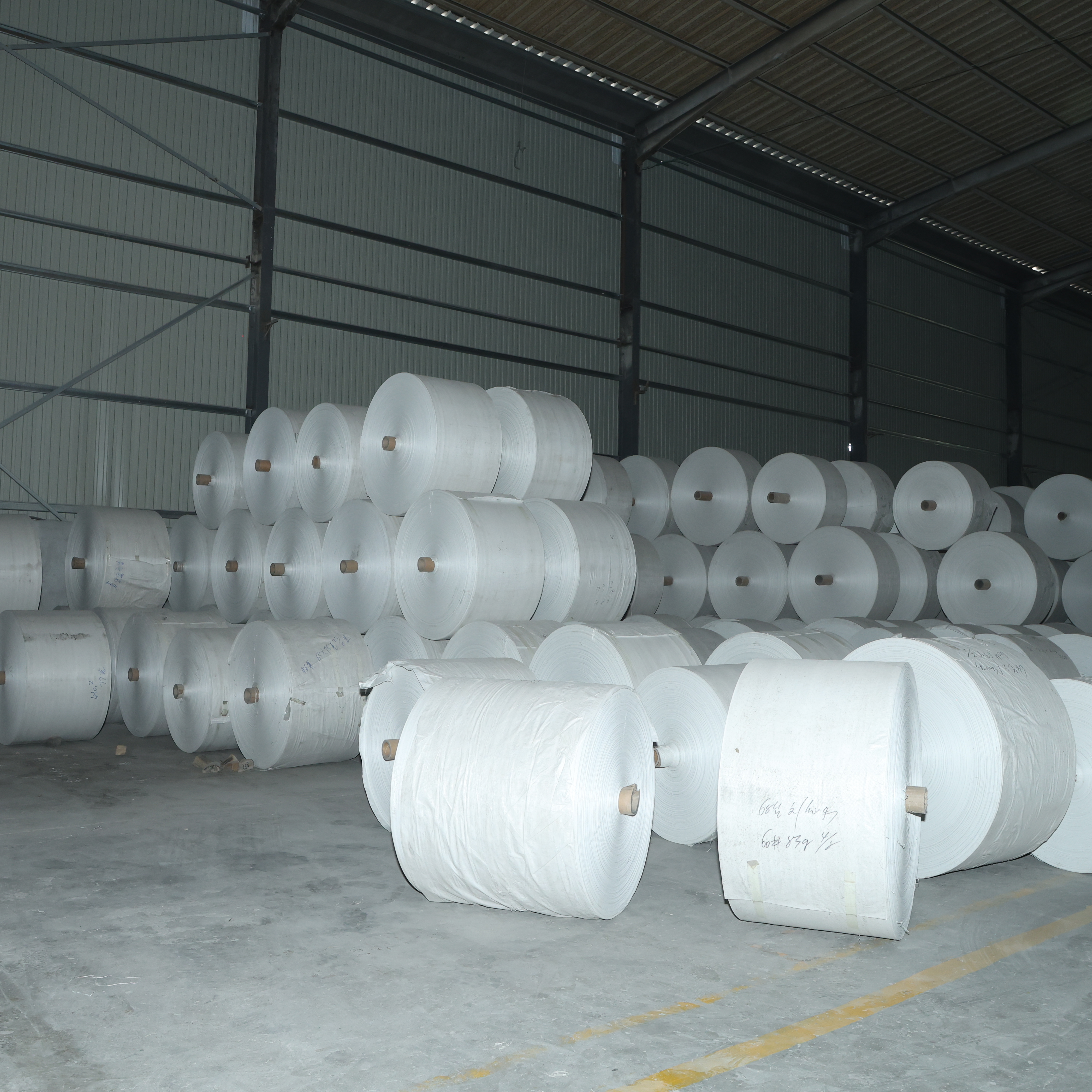
Selecting a reliable PP woven bag manufacturer requires understanding the certification standards that govern quality, safety, and environmental compliance. Global buyers increasingly demand proof that their suppliers meet rigorous international benchmarks before placing orders. For any organization sourcing from a woven bag factory, certification standards serve as the foundation of trust, ensuring that each batch of custom pp woven bag products meets consistent quality and regulatory requirements.
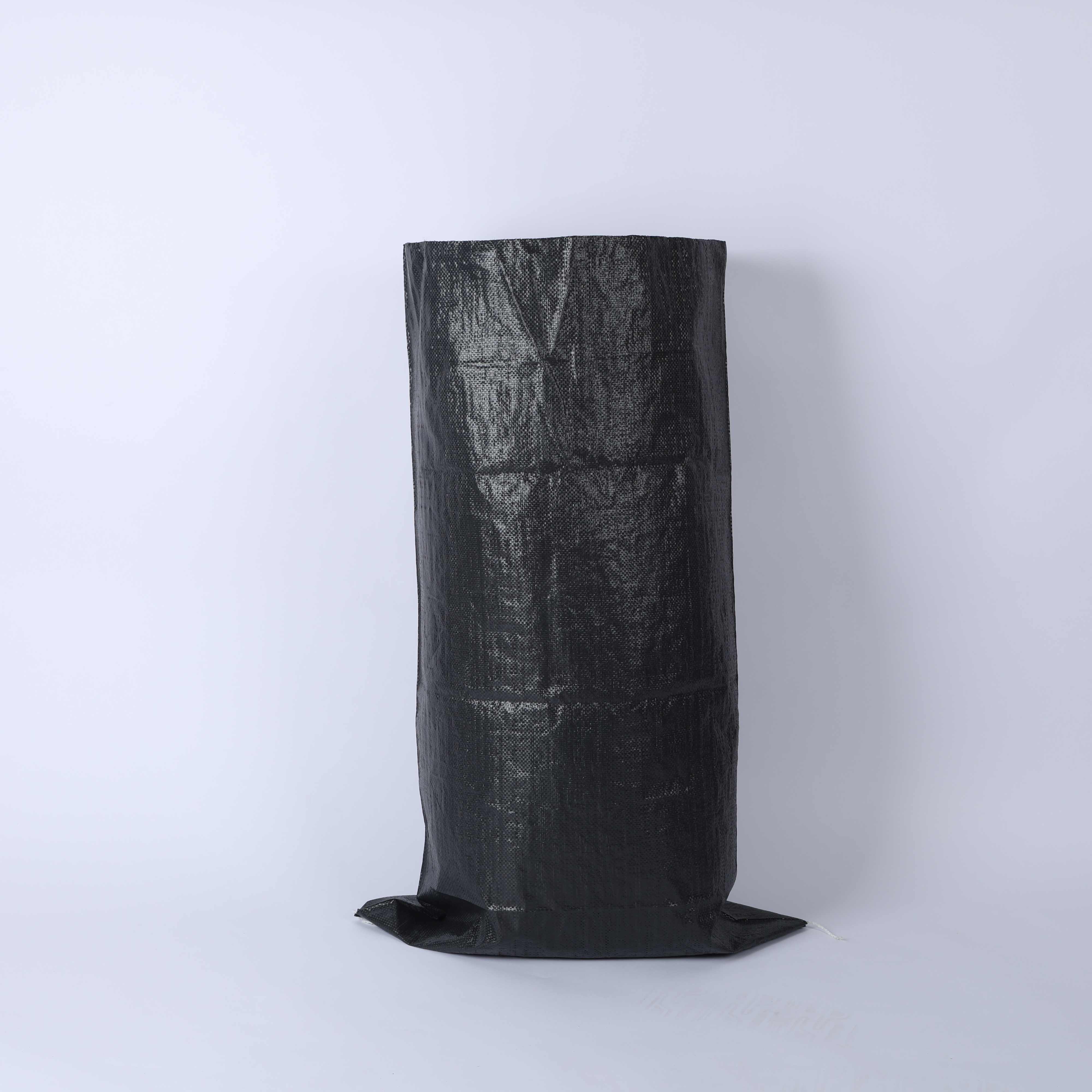
The landscape of woven bag supplier certifications spans quality management, product safety, environmental stewardship, and industry-specific standards. Understanding these requirements helps procurement teams evaluate whether a pp bag production facility can deliver compliant, market-ready products. This article explores the core certification standards every serious woven bag manufacturer must obtain, the reasons these credentials matter, and how they directly impact your supply chain decisions.
ISO 9001 certification represents the globally recognized quality management system standard that most custom pp woven bag producers pursue. A woven bag factory holding ISO 9001 demonstrates systematic controls over design, procurement, production, testing, and customer service. This certification requires documented processes, regular internal audits, management reviews, and continuous improvement mechanisms. When sourcing from an ISO 9001-certified pp bag production facility, buyers gain assurance that output consistency, defect rates, and delivery reliability follow established protocols rather than ad-hoc practices.
The implementation of ISO 9001 within a PP woven bag manufacturer typically involves establishing clear work instructions, material specifications, equipment maintenance schedules, and traceability systems. A certified woven bag supplier must document how raw materials flow through production, which quality checkpoints apply at each stage, and how non-conforming products are handled. This level of structured oversight directly reduces variability between batches and builds confidence in long-term supply partnerships.
Environmental responsibility has become a critical expectation for responsible pp bag production operations. ISO 14001 certification requires a woven bag factory to establish environmental management systems that identify and control significant environmental aspects such as waste generation, water use, emissions, and energy consumption. A custom pp woven bag manufacturer certified to ISO 14001 commits to legal compliance, pollution prevention, and regular monitoring of environmental performance indicators.
For woven bag suppliers in regions with stringent environmental regulations, ISO 14001 compliance often underpins their ability to maintain operating licenses and market access. The standard pushes a pp bag production operation to invest in cleaner processes, waste reduction initiatives, and supplier accountability. Buyers increasingly screen for ISO 14001 as a signal that their PP woven bag manufacturer partner takes corporate environmental responsibility seriously.
When custom pp woven bags are intended for food storage, agricultural products, or any food-adjacent application, FDA Title 21 CFR Part 177 compliance becomes mandatory. Many woven bag factories in high-volume production regions must maintain FDA registration and ensure that polypropylene resins, dyes, additives, and printing inks meet food-contact material requirements. An FDA-compliant PP woven bag manufacturer tests migration levels and confirms that no harmful substances leach into packaged goods under normal storage and use conditions.
Procurement teams sourcing from a woven bag supplier for food industry use must request FDA compliance documentation, including material certifications and migration test reports. This requirement elevates a pp bag production facility's technical capability and adds cost, but it directly protects end consumers and shields the buyer from regulatory liability. Not every woven bag factory maintains FDA registration; those that do command premium pricing and serve premium market segments.
The British Retail Consortium Global Standard for Packaging Materials addresses food safety risks and contamination prevention in manufacturing environments. Major retailers and brand owners increasingly require their custom pp woven bag suppliers to achieve BRC certification. A BRC-certified PP woven bag manufacturer implements rigorous pest control, hygiene protocols, employee training, and supplier verification systems to prevent physical, chemical, and biological contamination.
For a woven bag factory seeking to supply major distribution chains or multinational food companies, BRC accreditation is often non-negotiable. BRC auditors conduct announced and unannounced inspections to verify that pp bag production facilities maintain contamination controls and traceability. This standard positions a woven bag supplier as a trusted partner capable of protecting brand reputation and consumer safety.
The European Union's REACH regulation (Registration, Evaluation, Authorisation and Restriction of Chemicals) imposes strict chemical compliance requirements on producers of materials destined for European markets. A PP woven bag manufacturer exporting custom pp woven bags to EU customers must ensure that raw materials, dyes, and additives comply with REACH substance restrictions and notification requirements. Many woven bag factories now maintain REACH technical dossiers and communicate substance declarations to downstream buyers.
Compliance with REACH requires a woven bag supplier to work closely with resin suppliers, dye manufacturers, and additive providers to obtain certificates of compliance and safety data sheets. A pp bag production facility that serves international markets typically invests in chemical compliance expertise and systems. This positions them as a reliable custom pp woven bag partner for global sourcing strategies.
Third-party testing organizations like SGS conduct independent audits and product testing that many buyers require before engagement. A PP woven bag manufacturer working with SGS gains objective verification of production capabilities, product quality, and regulatory compliance. Testing typically covers tensile strength, tear resistance, weight consistency, and color uniformity of woven bags, ensuring that custom pp woven bag output meets contractual specifications.
When selecting a woven bag factory, requesting SGS certificates or audit reports provides confidence that claimed capabilities have undergone independent validation. Many multinational buyers require their woven bag supplier to undergo periodic SGS audits as a condition of supply contracts. This third-party verification layer transforms subjective quality claims into verifiable, auditable facts.
ISO 9001 is considered foundational because it establishes systematic quality controls that underpin all other certifications. A PP woven bag manufacturer without ISO 9001 typically lacks the process discipline and documentation infrastructure required for higher-level certifications. However, the most critical certification depends on your application; food-contact bags demand FDA compliance, while EU-destined products require REACH certification. A comprehensive woven bag supplier ideally holds multiple certifications tailored to their target markets.
A woven bag factory must establish an environmental management system that identifies environmental aspects, sets objectives, implements controls, and monitors performance. The facility conducts a baseline environmental review, develops policies, trains staff, and implements corrective action processes. After internal audits and management reviews, an accredited certification body conducts a formal audit. For a pp bag production operation, this process typically requires 6–12 months of planning and implementation before certification is granted. Ongoing compliance requires annual surveillance audits to maintain certified status.
Technically yes, but it carries significant supply chain risk. A pp bag production facility without certifications offers no independent verification of quality, safety, or compliance. Buyers assume full responsibility for product safety, regulatory compliance, and quality assurance. Major retailers, brand owners, and regulated industries effectively require certified woven bag suppliers as a contractual condition. A woven bag manufacturer without certifications typically competes only on price in low-value applications, limiting market access and profitability. Investing in certifications transforms a woven bag factory into a trusted supply partner capable of serving premium and regulated markets.

Discover the 4 critical production metrics—throughput, defect rate, equipment uptime & on-time delivery—to vet factories confidently.

Ensure regulatory compliance & worker safety with proven methods for chemical woven bags—material selection, labeling, storage & training.

Discover the full PP woven bag manufacturing workflow—from extrusion & weaving to printing & QC. Boost efficiency, compliance & ROI. Download the process guide now.

Struggling with weak bags or high material waste? Master extrusion and tape drawing tech for stronger, cheaper PP woven bags. Optimize your production line now.

Struggling with defects or customer returns? Discover the 5 non-negotiable quality checkpoints across your woven bag production line
Which automation tier is right for your PP woven bag factory? Compare manual to Industry 4.0 systems for cost, quality, and scalability.
Get in touch for details on polypropylene woven bags and flexible packaging solutions.
Tel
Address
No.2015, Liaoyuan Building, Lanshan District, Linyi City, Shandong Province.China

