 EN
How to Assess Production Efficiency at a PP Woven Bag Factory
Discover the 4 critical production metrics—throughput, defect rate, equipment uptime & on-time delivery—to vet factories confidently.

2026/08/06
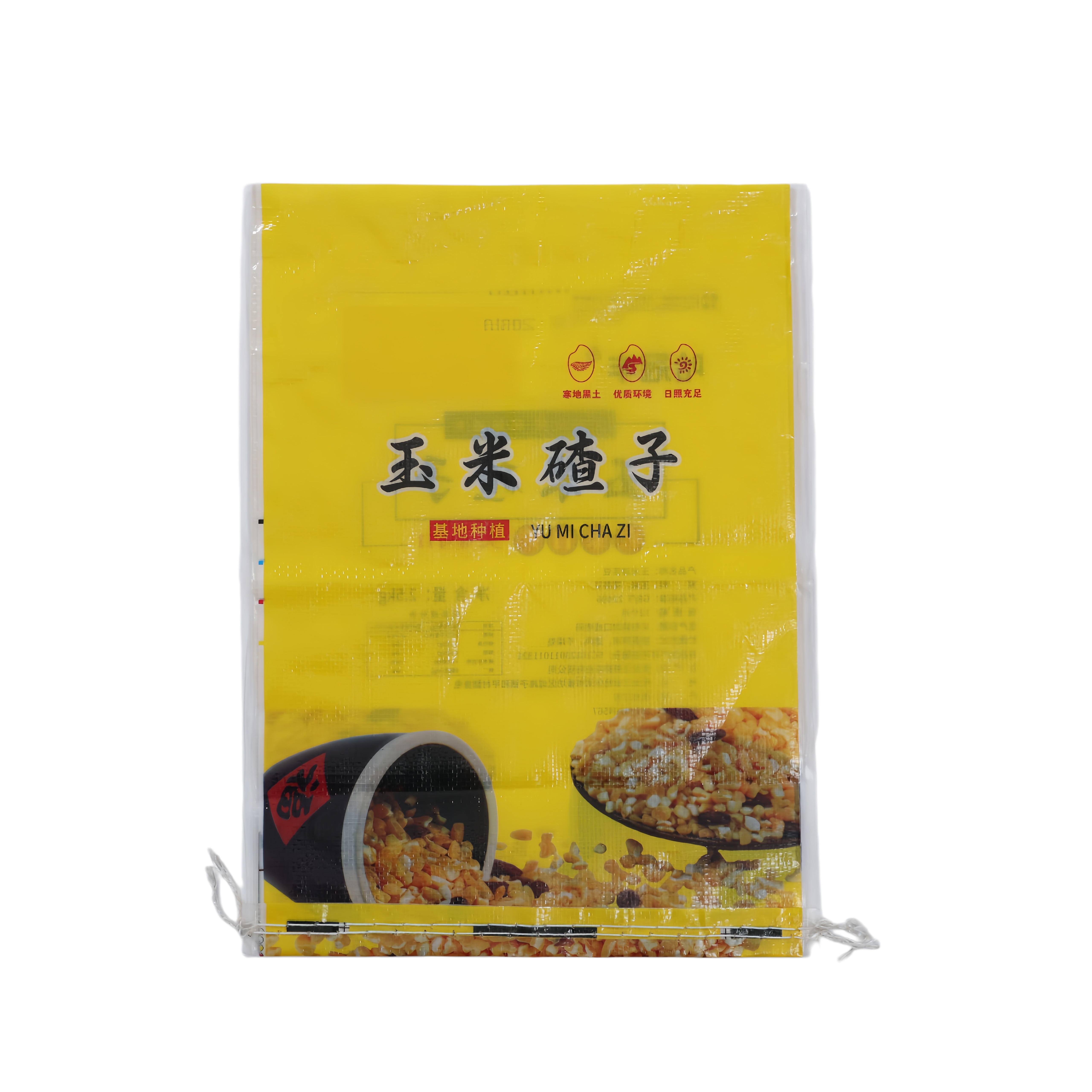
Moisture resistance is a critical performance requirement for packaging solutions across industries. When products demand extended shelf life, protection from humidity, or compliance with storage standards, laminated bags emerge as a trusted choice for businesses worldwide. Understanding how to optimize their moisture-resistant properties can significantly improve product protection, reduce spoilage, and enhance customer satisfaction in challenging environments.
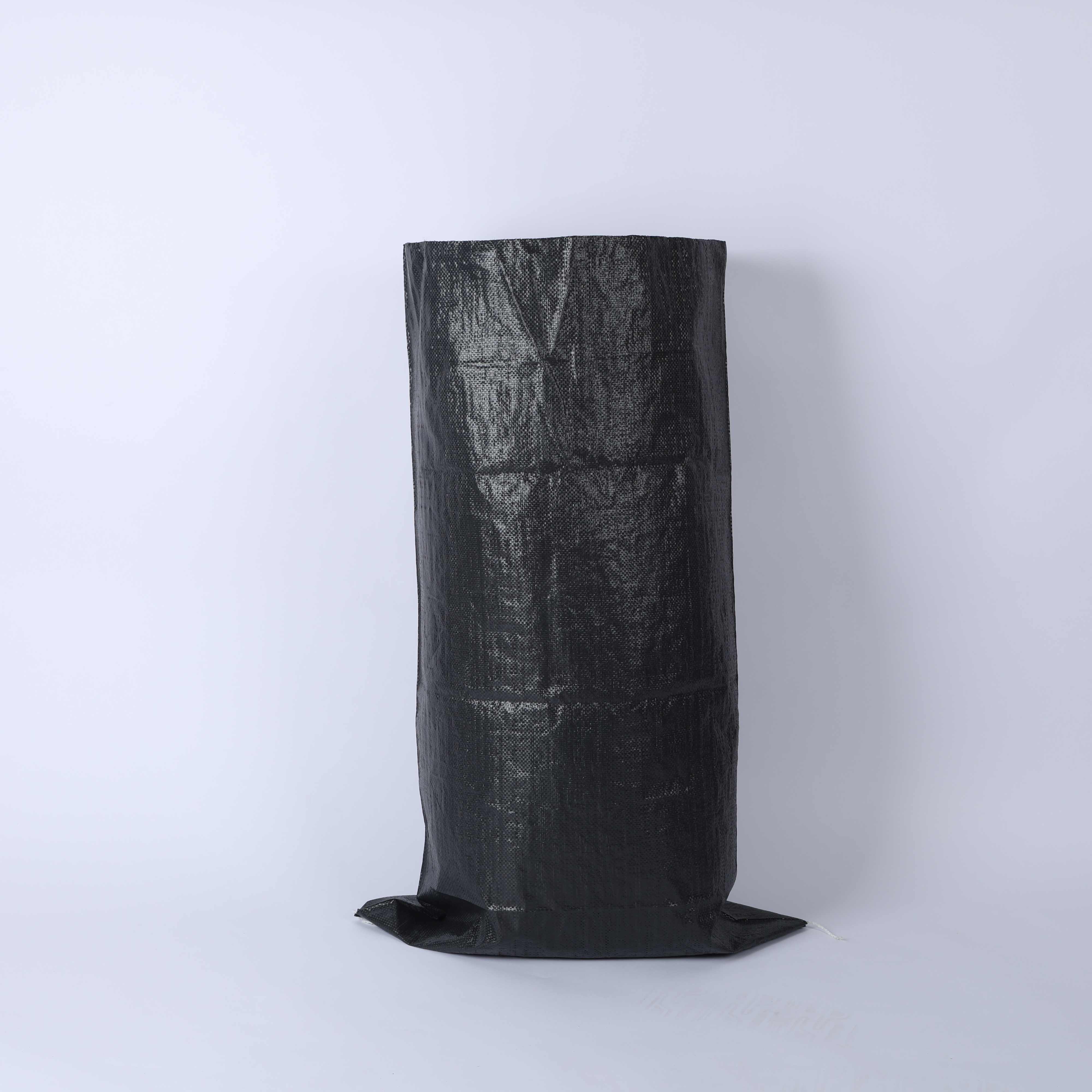
Laminated packaging solutions represent a convergence of material science and practical engineering designed to create barriers against environmental moisture. The structural composition of laminated pp bags combines resin layers with protective coatings to form a unified membrane that resists water vapor transmission. By implementing proven enhancement techniques, manufacturers and users can elevate the moisture resistance of their laminated sack applications, ensuring products remain dry and stable throughout distribution and storage cycles.
The foundation of effective moisture protection begins with selecting appropriate resin materials for laminated pp bag construction. Polypropylene remains the industry standard due to its naturally low moisture absorption rate and excellent chemical compatibility. When combined with specialized additives such as silica compounds or hygroscopic inhibitors, polypropylene creates a resin matrix that actively repels water molecules. The thickness of the resin layer directly correlates with moisture barrier performance, with premium laminated bags featuring multi-layer construction that exceeds industry baseline specifications.
Advanced coated packaging bag designs employ multi-layer lamination strategies that integrate complementary materials for superior moisture defense. A typical moisture-resistant laminated sack structure consists of an outer protective layer, an intermediate barrier layer containing moisture-blocking compounds, and an inner sealing layer optimized for product contact. This tripartite architecture creates redundancy in the moisture barrier system, ensuring continued protection even if one layer experiences minor damage during handling. Each layer serves a distinct function: outer durability, middle impermeability, and inner compatibility with packed contents.
Surface coatings represent one of the most effective methods for enhancing the moisture resistance of existing laminated bag structures. Polyethylene-based coatings create a hydrophobic surface that physically prevents water molecule adhesion and transmission. Modern formulations incorporate nano-polymer technologies that substantially reduce water vapor permeability rates compared to conventional coatings. A moisture proof bag produced with advanced polymer coatings exhibits water vapor transmission rates that meet or exceed stringent pharmaceutical, food, and chemical industry standards, providing quantifiable protection metrics for quality assurance teams.
Hybrid coating systems combine multiple protective chemistries to achieve superior moisture resistance across diverse environmental conditions. By layering a hydrophobic base coat with a secondary oleophobic topcoat, manufacturers create laminated pp bag surfaces that resist both water-based and oil-based moisture contamination. This dual-action approach proves particularly valuable for products requiring long-term storage in humid tropical climates or cold industrial environments where condensation poses specific challenges. The integration of specialized additives such as siloxanes or fluoropolymers further enhances the durability of these coating systems against mechanical abrasion and chemical exposure.
Rigorous testing protocols ensure that laminated bags consistently deliver the moisture resistance performance required by end-users. Standard test methods including water vapor transmission rate (WVTR) measurement, moisture absorption analysis, and accelerated aging trials provide objective data demonstrating barrier effectiveness. Premium coated packaging bag manufacturers conduct extensive environmental chamber testing that simulates real-world storage conditions ranging from tropical humidity extremes to temperature cycling stress. Documentation of these validation results allows procurement teams and regulatory compliance officers to make informed decisions regarding laminated sack suitability for specific applications.
Effective moisture protection extends beyond material selection to encompass proper storage protocols, sealing techniques, and handling procedures. When users implement laminated pp bags with appropriate closure systems such as heat sealing or zipper-lock mechanisms, the moisture barriers function optimally and maintain performance throughout the distribution chain. Proper ventilation during storage and protection from direct contact with condensation sources significantly amplify the inherent moisture resistance of moisture proof bag designs. Training warehouse personnel on best practices for laminated bag handling ensures that the protective properties engineered into the packaging remain intact from manufacture through final product delivery.
Effective moisture protection typically requires laminated bags with total wall thickness between 90 and 150 microns, with the coating layer representing at least 20 to 40 microns of that total. The specific requirement depends on storage duration, humidity conditions, and product sensitivity to moisture exposure. Premium applications often utilize laminated sack designs exceeding 150 microns for extended-term storage in high-humidity environments.
Coated packaging bags demonstrate water vapor transmission rates 60 to 80 percent lower than comparable uncoated alternatives, providing substantially superior protection for moisture-sensitive products. The lamination process adds cost and production complexity, but the enhanced moisture proof bag performance justifies the investment for products requiring extended shelf life or storage in challenging environments where moisture poses significant quality risks.
Yes, reputable manufacturers provide sample testing and documentation of moisture barrier performance using standard WVTR testing methods. Requesting laminated bags samples with certification data allows users to validate moisture resistance properties against their specific application requirements before executing full production orders, minimizing risk and ensuring product suitability.

Discover the 4 critical production metrics—throughput, defect rate, equipment uptime & on-time delivery—to vet factories confidently.

Ensure regulatory compliance & worker safety with proven methods for chemical woven bags—material selection, labeling, storage & training.

Discover the full PP woven bag manufacturing workflow—from extrusion & weaving to printing & QC. Boost efficiency, compliance & ROI. Download the process guide now.

Struggling with weak bags or high material waste? Master extrusion and tape drawing tech for stronger, cheaper PP woven bags. Optimize your production line now.

Struggling with defects or customer returns? Discover the 5 non-negotiable quality checkpoints across your woven bag production line
Which automation tier is right for your PP woven bag factory? Compare manual to Industry 4.0 systems for cost, quality, and scalability.
Get in touch for details on polypropylene woven bags and flexible packaging solutions.
Tel
Address
No.2015, Liaoyuan Building, Lanshan District, Linyi City, Shandong Province.China

