 EN
How to Assess Production Efficiency at a PP Woven Bag Factory
Discover the 4 critical production metrics—throughput, defect rate, equipment uptime & on-time delivery—to vet factories confidently.

2026/08/25
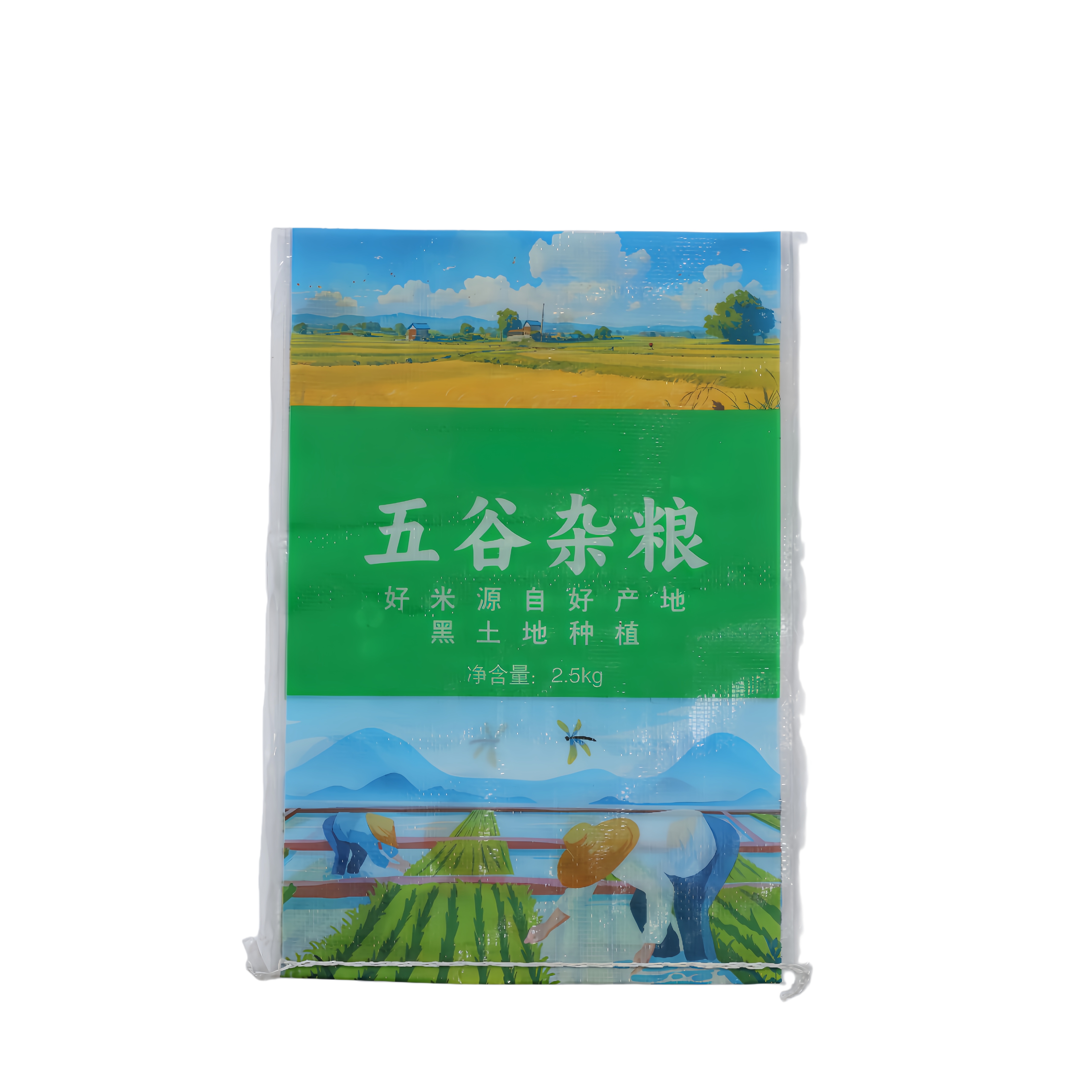
Effective order planning with a rice bag manufacturer is critical for maintaining consistent supply while controlling costs and minimizing waste. Many businesses struggle with the balance between ordering enough stock to meet demand and avoiding excessive inventory that ties up capital and storage space. Working with the right rice packaging supplier and understanding their production capabilities, lead times, and customization options directly impacts your operational efficiency and bottom line. This guide explores strategic approaches to order planning that help you build a stronger, more predictable relationship with your rice bag factory.
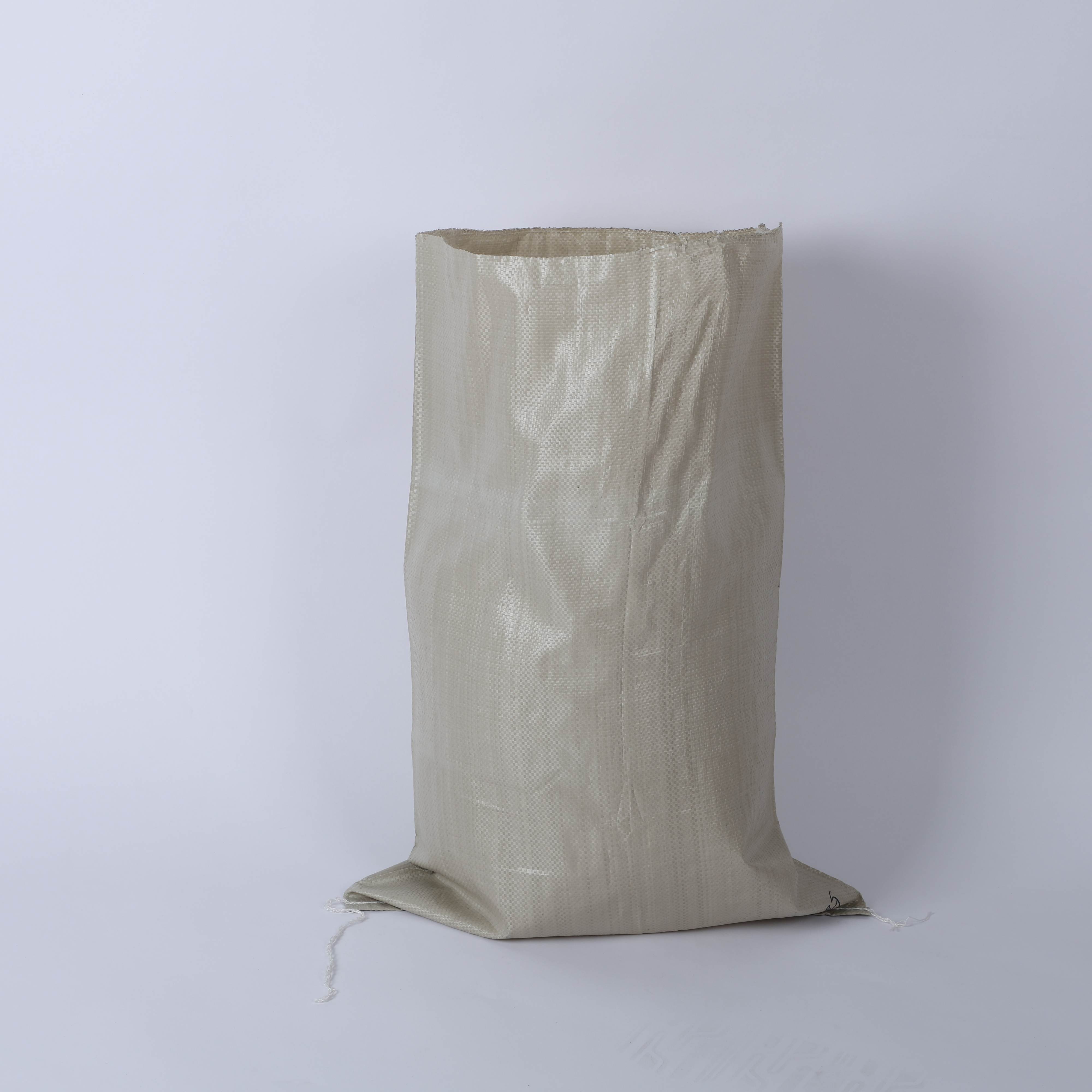
Successful order planning requires understanding both your demand patterns and the production rhythms of your rice packaging supplier. When you align your purchasing strategy with the capabilities and constraints of your rice bag factory, you create efficiencies that benefit both sides of the partnership. Custom rice bag options allow you to optimize packaging for your specific products and markets, but they also require thoughtful forecasting and communication to avoid costly adjustments or delays. By implementing structured planning methods, you can reduce lead time surprises, minimize rush orders, and negotiate better pricing through consistent, predictable orders.
Every rice bag factory operates with specific production windows and lead times that determine how quickly they can fulfill orders. Understanding these timelines is the foundation of effective order planning. Most manufacturers work on batch production schedules, meaning they consolidate orders into manufacturing runs rather than producing every order individually. A reliable rice packaging supplier will provide you with clear information about standard lead times, minimum order quantities, and production schedules. This transparency allows you to plan orders well in advance rather than reacting to urgent needs at the last moment. When working with a pp rice bag production facility, lead times typically range from two to six weeks depending on complexity and order volume.
The more visibility you provide to your rice bag manufacturer about your anticipated demand, the better they can allocate production capacity to your needs. Sharing rolling forecasts three to six months in advance helps a rice packaging supplier optimize their manufacturing schedule and reduce rush charges. This proactive communication is especially valuable if your custom rice bag orders involve special printing, unique dimensions, or specific material requests. When a pp rice bag production team knows your expected volumes, they can batch your orders more efficiently and often provide more competitive pricing. Regular forecast updates also help reduce the likelihood of supply disruptions caused by unexpected demand spikes.
Effective order planning begins with a clear understanding of your historical rice bag consumption and seasonal fluctuations. Review your past 12 to 24 months of purchasing data to identify trends, peaks, and valleys in your demand. Many rice packaging suppliers will help you analyze this data to establish optimal order quantities and frequencies. Custom rice bag requirements may vary seasonally if your product mix changes or if certain markets demand different packaging formats during specific periods. By establishing a baseline understanding of your patterns, you can set up a structured ordering calendar rather than making ad hoc purchasing decisions. A rice bag factory appreciates customers who order consistently because it allows them to predict their own production needs and maintain better quality control.
Order quantity decisions balance several competing factors: storage capacity, cash flow, price breaks, and lead time length. Working with your rice packaging supplier, establish minimum order quantities that make economic sense while remaining manageable for your operation. A pp rice bag production facility typically offers tiered pricing that rewards larger orders, but the savings must justify the additional inventory carrying costs. Many businesses find that ordering in quantities that represent three to four months of average consumption strikes the right balance. Your rice bag manufacturer can also provide guidance on order quantities that align with their production batch sizes, which often reduces per-unit costs and production delays.
Negotiating a framework agreement with your rice bag manufacturer creates stability for both parties while allowing flexibility within defined parameters. These agreements typically include pricing tiers, standard lead times, capacity commitments, and mechanisms for adjusting orders if your needs shift. When a rice packaging supplier knows they have a committed customer, they often allocate dedicated production slots and provide preferential pricing. For custom rice bag orders, agreements should clarify specifications, acceptable variation ranges, and quality standards. A well-structured partnership with a rice bag factory also includes escalation procedures for managing unexpected demand changes or supply disruptions. pp rice bag production requires clear communication about material specifications, weave tightness, and printing requirements to ensure consistent quality.
Establish regular communication touchpoints with your rice packaging supplier to review consumption, forecast adjustments, and upcoming orders. Monthly or quarterly business reviews with your rice bag manufacturer help identify opportunities to optimize order timing and sizing. Many suppliers now use digital platforms that provide visibility into order status, production schedules, and inventory levels. For custom rice bag programs, this transparency allows you to confirm specifications and delivery dates in advance, reducing the risk of costly errors or delays. Open dialogue about market changes, seasonal adjustments, or new product requirements helps a rice bag factory prepare and respond more effectively. When a pp rice bag production team has regular communication with customers, they can also alert you to opportunities for cost savings through material innovations or process improvements.
Your rice packaging supplier typically offers progressive pricing that rewards consistent, larger-volume orders over extended periods. Understanding these pricing tiers helps you make informed decisions about order consolidation and timing. Many rice bag manufacturers provide price breaks at specific volume thresholds, so aligning your orders to reach these levels can generate significant savings. For custom rice bag programs, pricing may also vary based on design complexity, print methods, and material specifications. By planning orders strategically, you can often achieve cost savings that offset the inventory carrying costs of slightly larger order quantities. A rice bag factory appreciates predictable order patterns because they reduce production variability and allow better resource utilization.
While order planning aims to reduce per-unit costs through volume, inventory carrying costs—storage, handling, and potential obsolescence—must be weighed against purchasing savings. Calculate your total cost of holding inventory, including warehousing, insurance, and product degradation risks. Most pp rice bag production scenarios involve relatively stable products with long shelf lives, reducing obsolescence risk compared to other packaging types. However, custom rice bag designs with specific branding or graphics may have limited flexibility if your product line or market focus changes. Working with your rice packaging supplier to establish smaller, more frequent orders can reduce overall carrying costs while maintaining supply reliability. A rice bag manufacturer that understands your inventory constraints can often adjust production batching to support more frequent, smaller shipments if that serves your financial situation better.
When selecting a rice bag factory, evaluate their production capacity, lead time reliability, customization capabilities, pricing structure, and willingness to share demand forecasts. Request references from existing customers and inquire about their quality control processes and material sourcing practices. A rice packaging supplier should provide transparent communication, flexible ordering terms, and support for both standard and custom rice bag designs. pp rice bag production facilities vary widely in capabilities, so confirm their ability to meet your specific requirements for bag thickness, size, printing, and delivery schedules.
Most rice bag manufacturers recommend placing orders at least four to six weeks in advance to allow adequate production and shipping time. However, your rice bag factory may offer expedited services for rush orders, typically at a premium cost. Sharing rolling forecasts three to six months ahead helps your rice packaging supplier allocate capacity more efficiently and provide better pricing. For custom rice bag orders with special specifications, advance notice of eight to twelve weeks is often preferable to ensure design approval and production planning are completed thoroughly.
Most rice bag manufacturers allow some flexibility in order adjustments, but timing and extent depend on the production stage and terms of your agreement. A rice packaging supplier with strong partnership relationships is usually more accommodating than transactional vendors. pp rice bag production schedules typically allow modifications up to a certain point in the process, but changes made close to production start dates may incur additional charges. Discuss flexibility terms with your rice bag factory during contract negotiations to establish clear procedures for handling demand changes.

Discover the 4 critical production metrics—throughput, defect rate, equipment uptime & on-time delivery—to vet factories confidently.

Ensure regulatory compliance & worker safety with proven methods for chemical woven bags—material selection, labeling, storage & training.

Discover the full PP woven bag manufacturing workflow—from extrusion & weaving to printing & QC. Boost efficiency, compliance & ROI. Download the process guide now.

Struggling with weak bags or high material waste? Master extrusion and tape drawing tech for stronger, cheaper PP woven bags. Optimize your production line now.

Struggling with defects or customer returns? Discover the 5 non-negotiable quality checkpoints across your woven bag production line
Which automation tier is right for your PP woven bag factory? Compare manual to Industry 4.0 systems for cost, quality, and scalability.
Get in touch for details on polypropylene woven bags and flexible packaging solutions.
Tel
Address
No.2015, Liaoyuan Building, Lanshan District, Linyi City, Shandong Province.China

