 EN
How to Assess Production Efficiency at a PP Woven Bag Factory
Discover the 4 critical production metrics—throughput, defect rate, equipment uptime & on-time delivery—to vet factories confidently.

2026/08/07
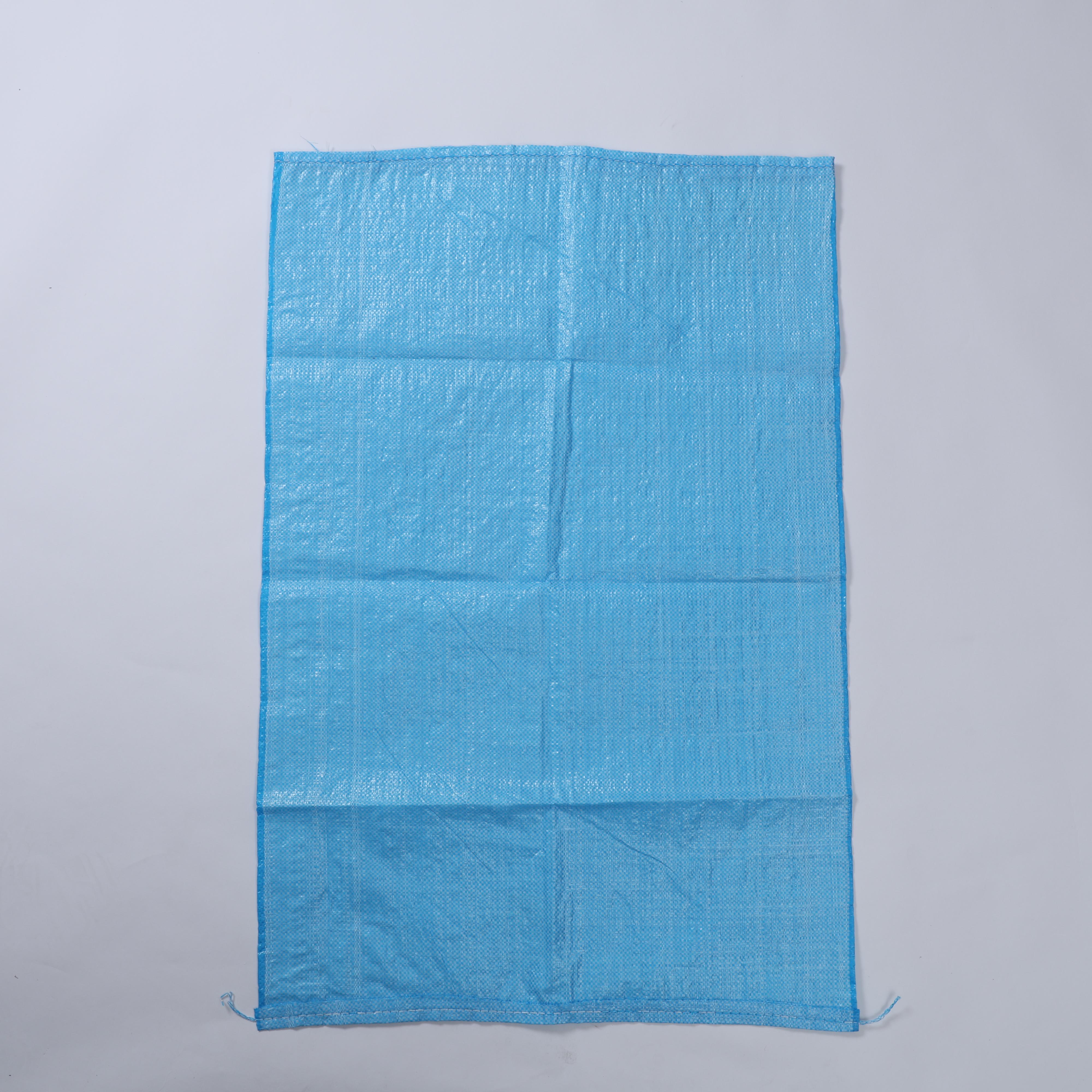
UV stabilizer additives are critical components in pp woven bag formulation, protecting these packaging solutions from photodegradation when exposed to sunlight and outdoor conditions. The polypropylene woven bag market demands materials that maintain structural integrity across extended storage periods and transportation routes exposed to ultraviolet radiation. Without proper UV stabilization, pp woven sack performance degrades significantly, leading to material brittleness, color fading, and reduced tensile strength. Understanding how stabilizer additives function in woven polypropylene packaging formulations is essential for manufacturers seeking to deliver reliable, long-lasting products to agricultural, chemical, and industrial sectors.
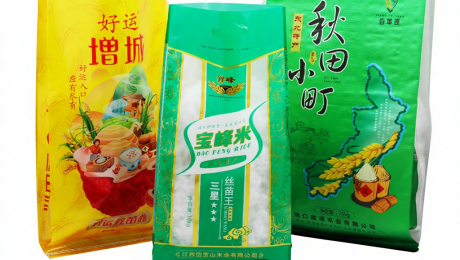
The formulation of polypropylene woven bag materials involves precise additive selection to balance cost, performance, and environmental durability. UV stabilizers work by absorbing harmful ultraviolet energy before it reaches and degrades polymer chains, thereby extending the service life of woven polypropylene packaging in outdoor applications. This protection mechanism is particularly important for pp bulk bag applications where products remain exposed to direct sunlight for months or years. Selecting appropriate stabilizer types and dosage levels directly influences the final product's performance characteristics and commercial viability in competitive markets.
UV stabilizers function through two primary mechanisms: light absorption and radical scavenging. Hindered amine light stabilizers (HALS) and benzotriazole compounds absorb ultraviolet radiation within the 280–400 nanometer spectrum before photons penetrate deeply into pp woven bag polymer structures. This absorption process converts harmful UV energy into harmless heat, preventing chain scission and cross-linking reactions that cause embrittlement. In woven polypropylene packaging applications, effective light absorption extends field life significantly, allowing products to maintain acceptable tensile properties even after 18–24 months of outdoor exposure.
Beyond initial absorption, UV stabilizers in polypropylene woven bag formulations neutralize free radicals generated during photochemical reactions. Hindered amine light stabilizers act as chain-breaking antioxidants, capturing peroxy and alkoxy radicals before they propagate polymer degradation. This dual-action protection mechanism makes HALS compounds particularly valuable in pp bulk bag formulations where consistent long-term performance is required. The pp woven sack industry relies on this radical scavenging capacity to meet durability expectations across diverse climate zones and storage conditions.
Formulating effective polypropylene woven bag compounds requires careful selection between hindered amine light stabilizers, benzophenone derivatives, and benzotriazole compounds. Each stabilizer type offers distinct advantages regarding cost, effectiveness at various wavelengths, and compatibility with pp woven bag resin systems. Typical dosage levels range from 0.5 to 2.0 percent by weight in woven polypropylene packaging applications, with specific recommendations depending on intended use environment and product shelf-life targets. Underdosing compromises UV protection capabilities, while overdosing increases material cost without proportional performance gains and may affect processing characteristics.
Modern pp bulk bag formulations often employ stabilizer combinations that enhance protection while maintaining processability and cost efficiency. Pairing HALS compounds with secondary antioxidants and metal deactivators creates synergistic effects that exceed single-additive performance in woven polypropylene packaging systems. The pp woven sack manufacturing process demands stabilizers that remain compatible with plasticizers, flame retardants, and colorants used in typical formulations. Incompatible additive combinations may cause precipitation, processing difficulties, or reduced effectiveness, necessitating comprehensive compatibility testing before commercial implementation.
Manufacturers validate polypropylene woven bag stabilizer effectiveness through accelerated weathering protocols that simulate years of outdoor exposure in concentrated timeframes. ASTM G154 and ISO 4892 testing procedures expose pp woven sack samples to controlled UV-A radiation, elevated temperatures, and moisture cycles to evaluate degradation rates. Tensile strength retention, elongation preservation, and color stability measurements quantify stabilizer performance across 500–2000 hour exposure periods. Results from woven polypropylene packaging weathering tests directly inform formulation adjustments and guide selection of optimal UV stabilizer packages for specific end-use markets.
Real-world field trials provide critical validation for pp woven bag stabilizer formulations, demonstrating how compounds perform under authentic outdoor conditions across diverse geographic regions and seasonal variations. Agricultural applications represent demanding test environments where polypropylene woven bag materials endure intense sunlight exposure, temperature fluctuations, and moisture ingress over 18–36 month storage periods. pp bulk bag formulations validated through extended field testing in tropical, temperate, and high-altitude environments establish reliable performance baselines for customer applications. Woven polypropylene packaging manufacturers use field data to refine stabilizer selections and dosage recommendations, ensuring consistent quality and durability across product lines.
Implementing well-optimized UV stabilizer packages in polypropylene woven bag formulations delivers measurable competitive advantages in agricultural and industrial sectors where packaging durability directly impacts supply chain efficiency. Products formulated with appropriate stabilizer protection command premium positioning while reducing customer complaints related to material failure and product loss. pp woven sack manufacturers investing in comprehensive stabilizer technology gain market differentiation through extended product warranties and performance guarantees that reflect superior formulation design. The woven polypropylene packaging industry increasingly recognizes UV stabilization as a fundamental value driver rather than merely a cost consideration, with customers actively specifying stabilizer types and performance standards in procurement requirements.
The economic impact of superior UV stabilizer performance extends throughout customer value chains, reducing replacement costs and supply chain disruption caused by packaging failure. pp bulk bag applications storing fertilizers, seeds, or chemical products benefit from extended outdoor storage capabilities that reduce intermediate warehouse requirements and accelerate product movement. Polypropylene woven bag suppliers emphasizing stabilizer excellence attract quality-conscious customers willing to invest in premium materials that ensure reliable product protection and reduce total cost of ownership.
Hindered amine light stabilizers (HALS) represent the most effective option for polypropylene woven bag applications, offering superior radical scavenging and long-term performance in outdoor environments. Benzotriazole compounds provide cost-effective alternatives for less demanding applications, while benzophenone derivatives excel at absorbing shorter wavelength UV radiation. The optimal selection depends on specific performance requirements, budget constraints, and intended end-use climate conditions for your pp woven sack or pp bulk bag product line.
Typical stabilizer dosage in polypropylene woven bag compounds ranges from 0.5 to 2.0 percent by weight, with specific recommendations varying based on stabilizer type, resin quality, and required durability performance. Starting with 0.75 to 1.0 percent HALS provides excellent protection for most pp woven sack applications while maintaining cost efficiency and processing characteristics. Accelerated weathering testing on your specific formulation helps identify optimal dosage levels that balance UV protection, cost, and manufacturing performance for your woven polypropylene packaging operations.
Yes, accelerated weathering testing following ASTM G154 or ISO 4892 standards provides reliable validation of UV stabilizer performance in polypropylene woven bag formulations within 500–2000 hour timeframes. These laboratory protocols simulate years of outdoor exposure and measure tensile strength retention, color stability, and elongation characteristics of pp bulk bag samples exposed to controlled UV-A radiation and elevated temperatures. Field trials in target geographic regions offer additional validation, confirming that laboratory-optimized formulations deliver expected durability across real-world conditions for your pp woven sack products.

Discover the 4 critical production metrics—throughput, defect rate, equipment uptime & on-time delivery—to vet factories confidently.

Ensure regulatory compliance & worker safety with proven methods for chemical woven bags—material selection, labeling, storage & training.

Discover the full PP woven bag manufacturing workflow—from extrusion & weaving to printing & QC. Boost efficiency, compliance & ROI. Download the process guide now.

Struggling with weak bags or high material waste? Master extrusion and tape drawing tech for stronger, cheaper PP woven bags. Optimize your production line now.

Struggling with defects or customer returns? Discover the 5 non-negotiable quality checkpoints across your woven bag production line
Which automation tier is right for your PP woven bag factory? Compare manual to Industry 4.0 systems for cost, quality, and scalability.
Get in touch for details on polypropylene woven bags and flexible packaging solutions.
Tel
Address
No.2015, Liaoyuan Building, Lanshan District, Linyi City, Shandong Province.China

