 EN
How to Assess Production Efficiency at a PP Woven Bag Factory
Discover the 4 critical production metrics—throughput, defect rate, equipment uptime & on-time delivery—to vet factories confidently.

2026/08/26
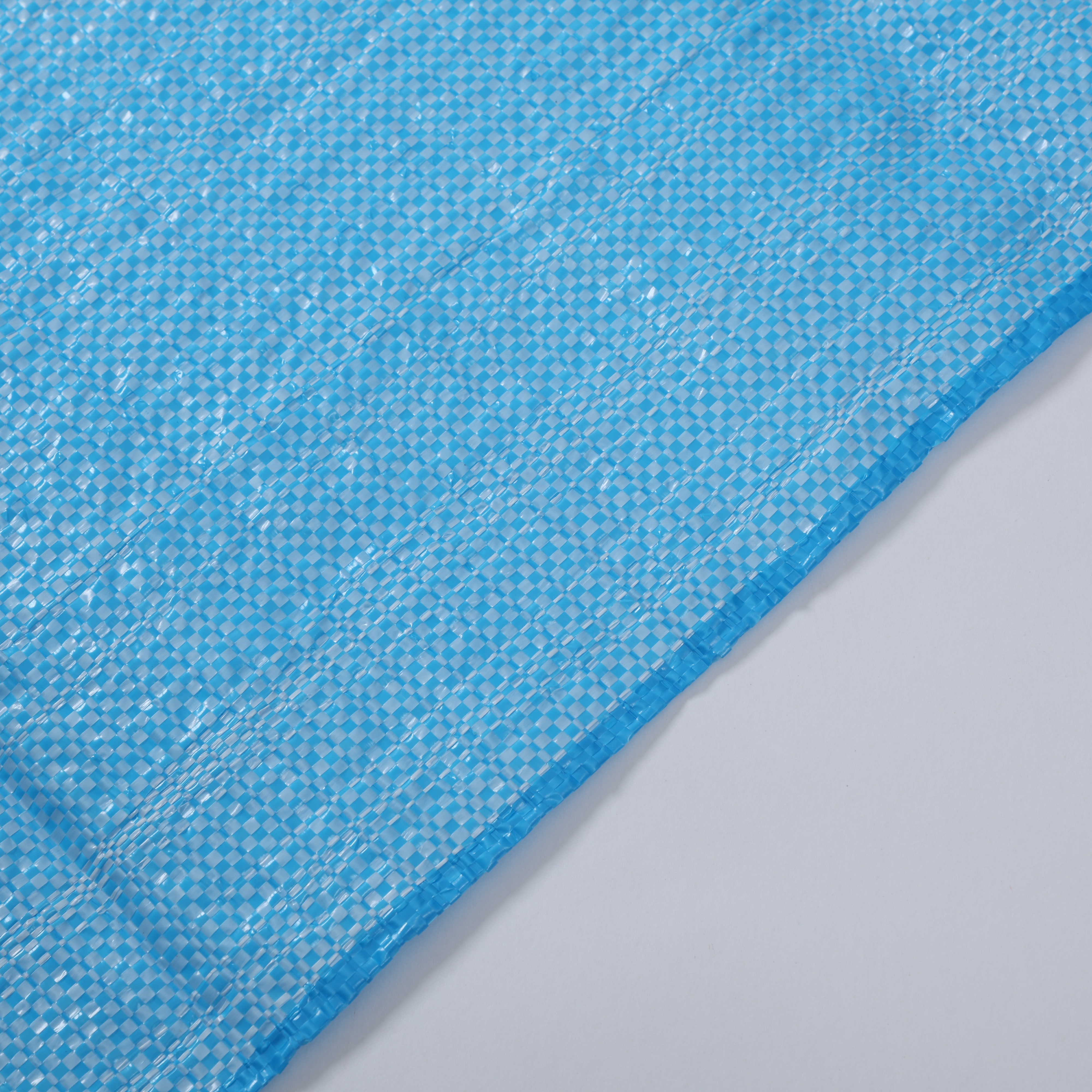
Chemical packaging bags play a critical role in industrial operations, protecting valuable materials during storage and transport. However, many facility managers face a persistent challenge: their chemical packaging bags gradually weaken after months in service, leading to potential leaks, contamination, and costly product loss. Understanding the root causes of this deterioration is essential for maintaining inventory integrity and reducing waste.
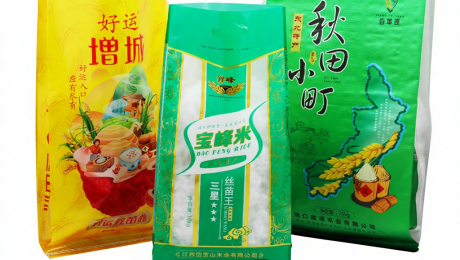
The weakening of chemical woven bags and other industrial chemical packaging solutions stems from multiple environmental and chemical factors working together over time. This article examines why pp chemical sack integrity declines, identifies the primary degradation mechanisms, and provides actionable strategies to prevent premature failure and extend the functional lifespan of your packaging investments.
Ultraviolet radiation is one of the most destructive forces affecting industrial chemical packaging. When chemical woven bags remain exposed to direct sunlight or intense indoor lighting over extended periods, the polymer chains in polypropylene begin to break down through a process called photodegradation. This exposure weakens the structural integrity of the pp chemical sack material, making it more susceptible to tearing, puncturing, and failure under normal handling stress.
The damage accelerates in outdoor storage settings or warehouses with inadequate UV protection. Even clear or translucent plastic components of powder packaging bags become brittle and prone to cracking when subjected to prolonged light exposure. Investing in UV-protective storage covers or relocating inventory away from direct sunlight significantly extends the service life of your chemical packaging bags.
Extreme temperature variations create thermal stress that weakens the molecular bonds within pp chemical sack materials. Rapid heating and cooling cycles cause expansion and contraction, which produces microfractures throughout the bag structure. In industrial environments where temperature swings are common, this thermal cycling accelerates the weakening process of chemical packaging bags at a rate that static-temperature storage cannot match.
High ambient temperatures also reduce the flexibility of polypropylene, making industrial chemical packaging more brittle and prone to splitting during handling. Conversely, extreme cold can cause the material to become stiff and lose its shock-absorbing properties, increasing puncture risk. Maintaining consistent storage temperatures between 15°C and 25°C preserves the resilience of your powder packaging bag inventory and reduces premature degradation.
The contents stored within chemical woven bags often exert a gradual corrosive effect on the packaging material itself. Certain aggressive chemicals, solvents, and moisture-laden substances slowly penetrate or interact with polypropylene polymers, causing swelling, softening, or brittleness in the pp chemical sack walls. Even small-scale molecular interactions over months of storage can significantly weaken the structural performance of industrial chemical packaging.
Alkaline and acidic compounds present particular challenges for standard polypropylene formulations. While PP demonstrates reasonable resistance to many chemicals, prolonged contact with aggressive solvents, petroleum distillates, or specialized industrial compounds can degrade the polymer network. Selecting chemical packaging bags formulated with enhanced barrier properties or chemical-resistant coatings prevents this internal attack and extends the lifespan of powder packaging bags containing reactive materials.
Excess humidity and moisture infiltration represent significant threats to the integrity of chemical woven bags. Water molecules can cause the polypropylene material to absorb moisture, which compromises the structural matrix and reduces tensile strength. This is particularly problematic in coastal regions or humid storage environments where moisture levels remain consistently elevated, accelerating the weakening of pp chemical sack materials over time.
Moisture also promotes hydrolysis in certain polymer formulations, a chemical breakdown process that systematically weakens the molecular bonds in industrial chemical packaging. Implementing moisture barriers, desiccant packs, and climate-controlled storage areas directly addresses this degradation pathway and preserves the mechanical properties of your powder packaging bag stock.
Each handling cycle, stacking operation, and transport event places incremental stress on chemical packaging bags. Over time, these repeated mechanical stresses accumulate micro-damage throughout the material, gradually weakening the bag structure. Chemical woven bags exposed to frequent handling show accelerated degradation compared to inventory stored in static conditions, even when environmental factors remain constant.
Stacking pressure amplifies this effect, as the weight of upper bags compresses lower layers, concentrating stress on specific points. In high-density storage configurations, the pp chemical sack material at the bottom of stacks experiences cumulative compression stress that degrades the polymer structure faster than uncompressed bags. Proper stacking techniques, pallet systems that distribute load evenly, and rotation of inventory reduce mechanical stress accumulation in industrial chemical packaging.
Friction during transport, rough handling, and contact with sharp or abrasive surfaces creates microscopic tears and scratches on the exterior of powder packaging bags. Although individual abrasion marks appear minor, they serve as stress concentration points where crack propagation begins. Over time, these micro-defects coalesce and spread, significantly weakening the structural integrity of chemical woven bags and reducing their ability to contain materials safely.
Regular inspection of pp chemical sack surfaces allows early detection of abrasion damage before critical failure occurs. Implementing protective practices such as using edge guards on storage racks, training handlers on proper lifting techniques, and utilizing bag-friendly pallets minimizes surface damage and preserves the mechanical properties of your chemical packaging bags throughout their service life.
Selecting high-quality chemical packaging bags manufactured from virgin polypropylene rather than recycled material provides superior resistance to environmental degradation. Virgin-grade pp chemical sack materials retain stronger molecular structures and greater resistance to UV, thermal cycling, and chemical attack compared to lower-grade alternatives. Investing in premium industrial chemical packaging ensures longer service life and reduces the frequency of replacement cycles, ultimately lowering total cost of ownership.
Specifying bags with enhanced barrier coatings or UV-protective additives tailors the powder packaging bag properties to your specific storage environment. Multi-layer construction in chemical woven bags provides additional protection against chemical permeation and mechanical damage, extending functional lifespan in aggressive applications.
Implementing comprehensive storage protocols dramatically extends the service life of your chemical packaging bags. UV-blocking tarps or opaque storage structures shield inventory from harmful radiation, while climate control systems maintain optimal temperature ranges. Moisture management through desiccant placement, humidity monitoring, and adequate ventilation prevents water infiltration and hydrolysis in pp chemical sack materials.
Rotating inventory according to FIFO principles ensures that older chemical woven bags are used first, before accumulated environmental stress reaches critical levels. Organizing storage areas to minimize handling frequency further reduces mechanical stress accumulation. These operational practices, combined with proper environmental controls, preserve the structural integrity of industrial chemical packaging throughout extended storage periods.
Standard pp chemical sack bags typically maintain acceptable integrity for 12 to 24 months under controlled indoor storage with moderate environmental stress. However, this timeline varies significantly based on the specific chemical contents, storage temperature, humidity levels, and handling frequency. Bags exposed to direct sunlight, extreme temperatures, or aggressive chemical interactions may show significant weakening within 6 to 12 months. Implementing preventive strategies like UV protection, climate control, and reduced handling can extend the lifespan of chemical woven bags considerably beyond these baseline estimates.
Yes, several reinforcement techniques enhance the durability of chemical packaging bags. Selecting industrial chemical packaging with multi-layer construction, adding UV-protective additives during manufacturing, and applying chemical-resistant coatings significantly improve resistance to environmental degradation. High-quality powder packaging bag options designed specifically for aggressive applications feature enhanced polypropylene formulations that resist both chemical attack and thermal stress more effectively than standard pp chemical sack materials. Consulting with packaging specialists ensures you select reinforced options suited to your specific storage environment and chemical contents.
The most cost-effective approach combines proper material selection with operational best practices rather than relying solely on premium packaging. Investing in quality chemical woven bags manufactured from virgin materials, then protecting them through UV-blocking covers, climate-controlled storage, and careful handling practices, provides excellent cost-to-benefit results. Regular inventory rotation, moisture management, and minimized handling significantly reduce degradation rates without requiring equipment investment. This balanced approach to preventive maintenance maintains the integrity of your pp chemical sack and powder packaging bag inventory while optimizing overall packaging costs across the supply chain.

Discover the 4 critical production metrics—throughput, defect rate, equipment uptime & on-time delivery—to vet factories confidently.

Ensure regulatory compliance & worker safety with proven methods for chemical woven bags—material selection, labeling, storage & training.

Discover the full PP woven bag manufacturing workflow—from extrusion & weaving to printing & QC. Boost efficiency, compliance & ROI. Download the process guide now.

Struggling with weak bags or high material waste? Master extrusion and tape drawing tech for stronger, cheaper PP woven bags. Optimize your production line now.

Struggling with defects or customer returns? Discover the 5 non-negotiable quality checkpoints across your woven bag production line
Which automation tier is right for your PP woven bag factory? Compare manual to Industry 4.0 systems for cost, quality, and scalability.
Get in touch for details on polypropylene woven bags and flexible packaging solutions.
Tel
Address
No.2015, Liaoyuan Building, Lanshan District, Linyi City, Shandong Province.China

