 EN
How to Assess Production Efficiency at a PP Woven Bag Factory
Discover the 4 critical production metrics—throughput, defect rate, equipment uptime & on-time delivery—to vet factories confidently.

2026/08/24
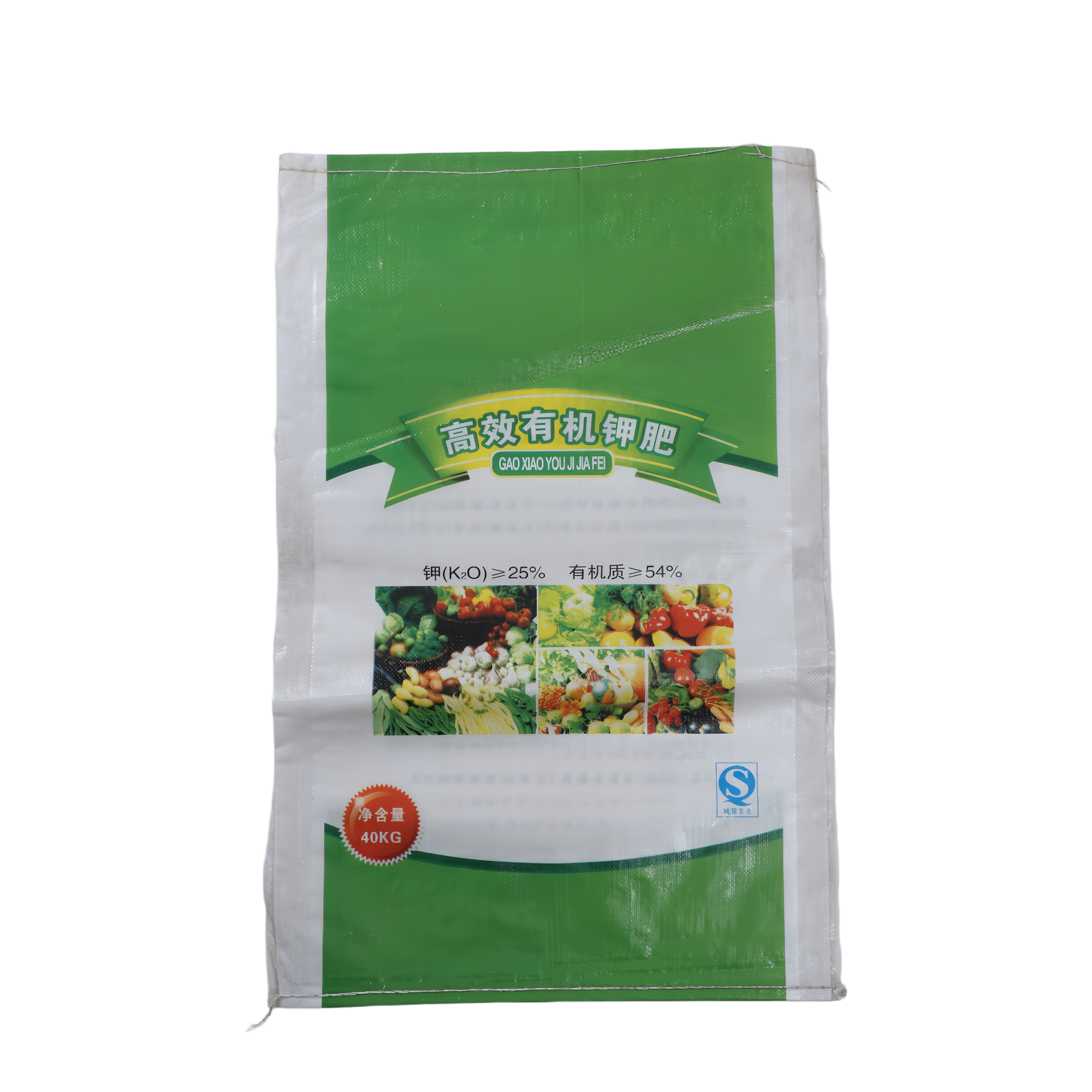
Choosing the right print method for custom woven bags directly impacts your brand visibility, durability, and production costs. In today's competitive market, businesses rely on high-quality custom packaging solutions to differentiate their products on retail shelves and strengthen brand recognition. The print method you select determines not only how your logo and messaging appear on the bag, but also how well that design withstands handling, storage, and transport. Understanding the available techniques ensures you invest in branding that lasts and delivers measurable return on investment.
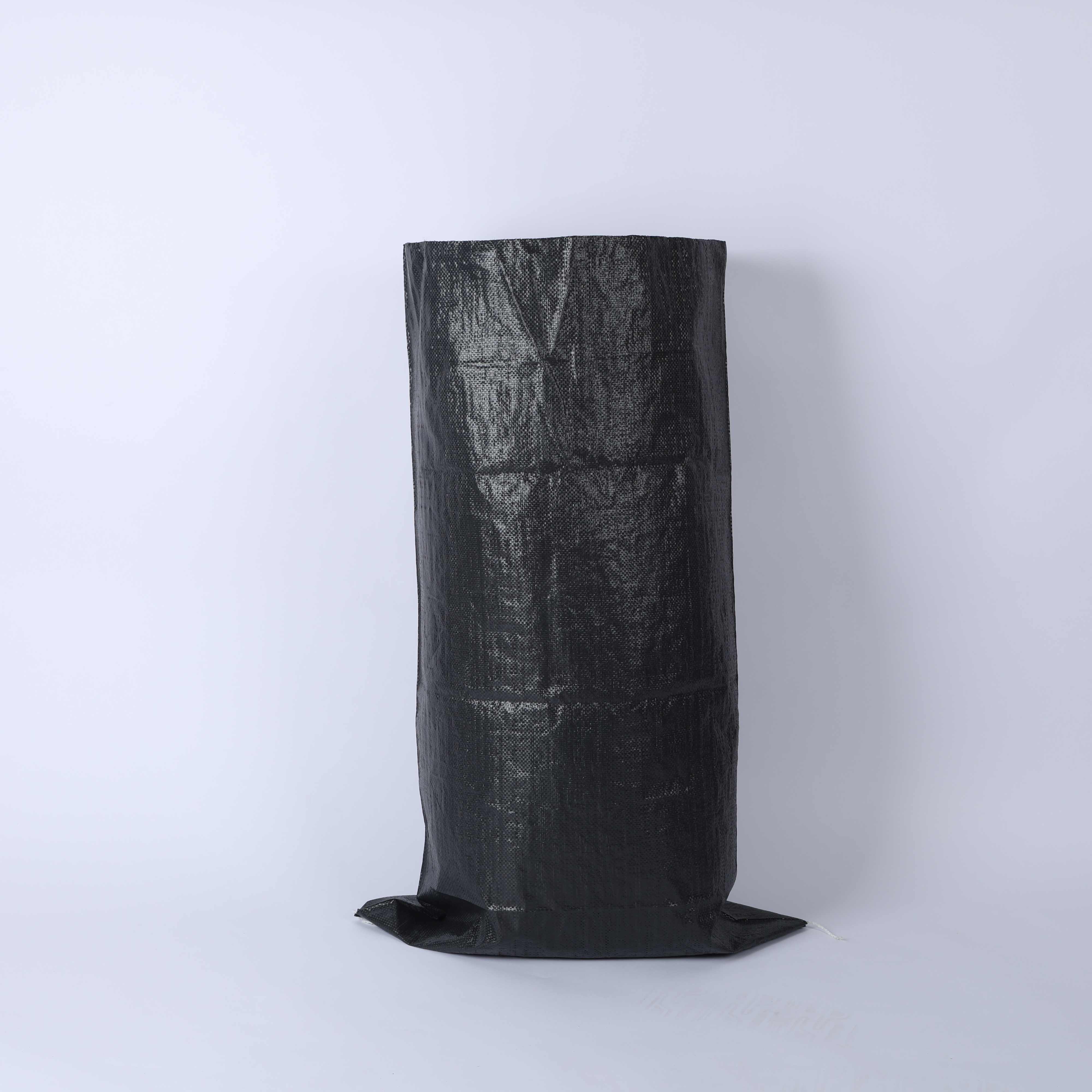
The landscape of custom printed woven bag printing has evolved significantly, offering manufacturers and brands multiple pathways to achieve professional results. Whether you're packaging agricultural products, food items, chemicals, or consumer goods, the choice between flexographic, rotogravure, digital, and screen printing technologies shapes both aesthetic appeal and functional performance. Each personalized pp bag production method carries distinct advantages in speed, cost structure, image resolution, and color vibrancy. This guide explores the primary print method options, their suitability for different production volumes, and how they align with your tailored woven sack branding objectives.
Flexographic printing stands as the dominant method for custom woven bags in mass production environments. This relief printing technique uses flexible rubber or photopolymer plates mounted on rotating cylinders to transfer ink onto the bag surface. The process operates at high speeds, making it ideal for custom packaging solutions requiring millions of units annually. Flexography handles continuous roll feeding efficiently, allowing manufacturers to print multiple bags per minute while maintaining consistent color registration and image sharpness across the entire production run.
The flexographic process works by applying liquid ink to the raised portions of the printing plate. As the plate rotates, it contacts the woven substrate, depositing ink in precise patterns. For custom printed woven bag manufacturers, this method delivers excellent edge definition and vibrant colors on polypropylene surfaces. The technology scales economically for tailored woven sack orders exceeding 100,000 units, where setup costs distribute across large quantities, reducing per-unit printing expenses significantly.
Flexographic printing produces sharp, durable images on personalized pp bag materials when properly calibrated. The technique excels at printing bold logos, solid color blocks, and moderate detail graphics. Fine line work and photographic images require higher screen counts, which increase both plate costs and production time. For custom woven bags destined for food contact or outdoor storage, flexo inks provide excellent adhesion and weather resistance, ensuring your branding remains intact throughout the product lifecycle. The printed surface resists fading, moisture penetration, and UV degradation when appropriate ink formulations are selected.
Design optimization for flexographic printing involves working with your bag manufacturer to understand their specific press capabilities, screen mesh counts, and color separation processes. Simpler designs with fewer color changes generally produce better results and faster turnaround times on custom packaging solutions. Your design should account for mechanical dot patterns inherent to flexography, particularly when reproducing gradients or photographic elements on tailored woven sack substrates.
Rotogravure printing employs engraved copper cylinders to transfer ink onto custom printed woven bag materials with exceptional precision and tonal range. Unlike flexography's raised relief plates, rotogravure uses recessed cells that hold ink, allowing for finer detail reproduction and smoother color gradients. This method suits brands seeking photographic quality imagery or highly detailed multi-color designs on personalized pp bag products. The engraved cylinder approach produces consistent output across long production runs, making it suitable for premium custom woven bags where image fidelity directly influences purchasing decisions.
The rotogravure process involves etching or engraving the image into the cylinder surface to precise depths. During printing, a doctor blade removes excess ink, leaving only the recessed cells filled. The rotating cylinder then contacts the woven substrate under pressure, transferring ink with remarkable clarity and color saturation. For custom packaging solutions demanding sophisticated visual presentation, rotogravure delivers results that rival high-quality offset printing, yet operates at production speeds necessary for large tailored woven sack orders.
Rotogravure printing requires substantial upfront investment in cylinder engraving, making it economically viable only for orders exceeding 250,000 to 500,000 units depending on design complexity. The per-unit printing cost decreases dramatically across such volumes, justifying the cylinder creation expense. Custom woven bags for premium food products, luxury brands, or high-value retail applications benefit most from rotogravure's superior image quality. The technique produces exceptional results on custom printed woven bag surfaces when brands need photographic product imagery, gradient backgrounds, or complex multi-color registration.
For companies producing personalized pp bag collections with extended shelf lives, rotogravure's durability advantage becomes apparent over time. The printed imagery resists fading and maintains color vibrancy through extended storage and transport. Many brands choose rotogravure specifically for tailored woven sack applications where the printed design constitutes the primary marketing element visible to consumers, justifying the higher production costs through enhanced brand perception and differentiation.
Digital printing technology has revolutionized custom woven bags production by enabling economical short-run orders and unlimited color variations without additional setup costs. This method transfers ink directly from digital files onto the bag surface using inkjet or electrostatic technology, eliminating the need for engraved plates or printing cylinders. Digital printing serves brands requiring custom packaging solutions with seasonal designs, limited edition runs, or frequent design updates. For personalized pp bag manufacturers serving e-commerce brands, craft producers, or small batch manufacturers, digital printing provides rapid turnaround and exceptional design flexibility.
The digital process begins with a high-resolution digital file sent directly to the printing device. The printer deposits precisely metered ink droplets onto the woven substrate without intermediate printing plates. This approach eliminates minimum order quantities associated with custom printed woven bag flexography or rotogravure, allowing brands to test new designs economically. Custom woven bags printed digitally can feature photographic images, gradients, and complex multi-color designs without incremental cost penalties, making this method ideal for tailored woven sack applications requiring design uniqueness or rapid customization.
Screen printing remains valuable for custom woven bags applications requiring specialty inks, metallic finishes, or raised tactile effects. This stencil-based technique pushes ink through a mesh screen onto the bag surface, offering control over ink thickness and finish. Custom packaging solutions utilizing metallic, fluorescent, or specialty coating inks often rely on screen printing to achieve these unique visual effects. Screen printing also enables brands to apply gloss, matte, or textured finishes on personalized pp bag surfaces that digital or flexographic methods cannot replicate.
Screen printing works best for custom woven bags with relatively simple designs and limited color requirements. The technique excels at producing bold, vibrant single or two-color applications on tailored woven sack materials. Setup times are moderate, making screen printing economically suitable for orders between 5,000 and 50,000 units. For brands seeking custom printed woven bag applications with specialty visual characteristics or touch effects, screen printing provides creative options that enhance perceived value and brand differentiation.
Rotogravure printing delivers superior photographic image quality on custom woven bags due to its engraved cylinder technology that reproduces fine details and smooth color gradients. Digital printing also handles photographic imagery effectively and offers faster turnaround with lower minimum quantities. For custom printed woven bag applications where photographic fidelity matters most, rotogravure suits high-volume orders exceeding 250,000 units, while digital printing serves shorter runs or designs requiring frequent updates to personalized pp bag collections.
Flexographic printing becomes cost-effective for custom woven bags exceeding approximately 100,000 units, where the initial plate-making investment distributes across sufficient volume to reduce per-unit costs below digital or screen printing alternatives. For tailored woven sack orders in the 100,000 to 2,000,000 unit range, flexography typically delivers the lowest production cost while maintaining acceptable print quality. Below 100,000 units, digital printing usually offers more favorable economics despite higher per-unit pricing, eliminating expensive plate requirements on custom packaging solutions.
Yes, many custom printed woven bag manufacturers combine printing techniques to achieve optimal results across different design elements. For example, flexography might handle the primary background color on personalized pp bag stock while screen printing adds a metallic logo overlay on custom woven bags. This hybrid approach to tailored woven sack production balances cost efficiency with visual impact, particularly when brands need specialty finishes that single methods cannot deliver while managing overall production expenses.

Discover the 4 critical production metrics—throughput, defect rate, equipment uptime & on-time delivery—to vet factories confidently.

Ensure regulatory compliance & worker safety with proven methods for chemical woven bags—material selection, labeling, storage & training.

Discover the full PP woven bag manufacturing workflow—from extrusion & weaving to printing & QC. Boost efficiency, compliance & ROI. Download the process guide now.

Struggling with weak bags or high material waste? Master extrusion and tape drawing tech for stronger, cheaper PP woven bags. Optimize your production line now.

Struggling with defects or customer returns? Discover the 5 non-negotiable quality checkpoints across your woven bag production line
Which automation tier is right for your PP woven bag factory? Compare manual to Industry 4.0 systems for cost, quality, and scalability.
Get in touch for details on polypropylene woven bags and flexible packaging solutions.
Tel
Address
No.2015, Liaoyuan Building, Lanshan District, Linyi City, Shandong Province.China

