 EN
How to Assess Production Efficiency at a PP Woven Bag Factory
Discover the 4 critical production metrics—throughput, defect rate, equipment uptime & on-time delivery—to vet factories confidently.

2026/09/03
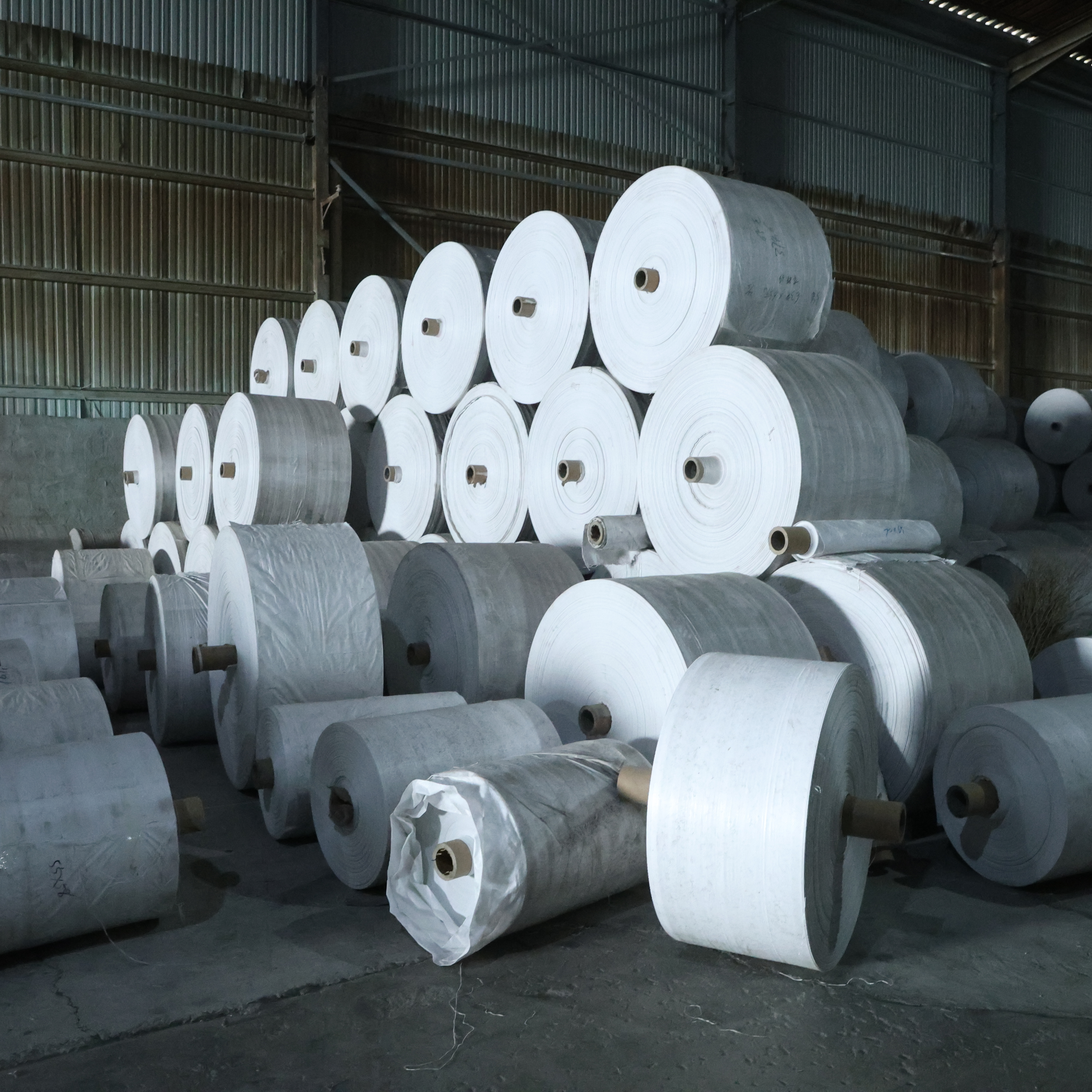
Communication gaps represent one of the most significant operational challenges facing custom woven bag manufacturing facilities today. When specifications, timelines, and quality expectations fail to align between buyers and production teams, the consequences ripple across the entire supply chain. A PP woven bag manufacturer that struggles with internal or external communication often experiences delays, specification errors, and customer dissatisfaction. Understanding the root causes of these gaps and implementing targeted solutions is essential for maintaining competitive advantage in the dynamic packaging industry.
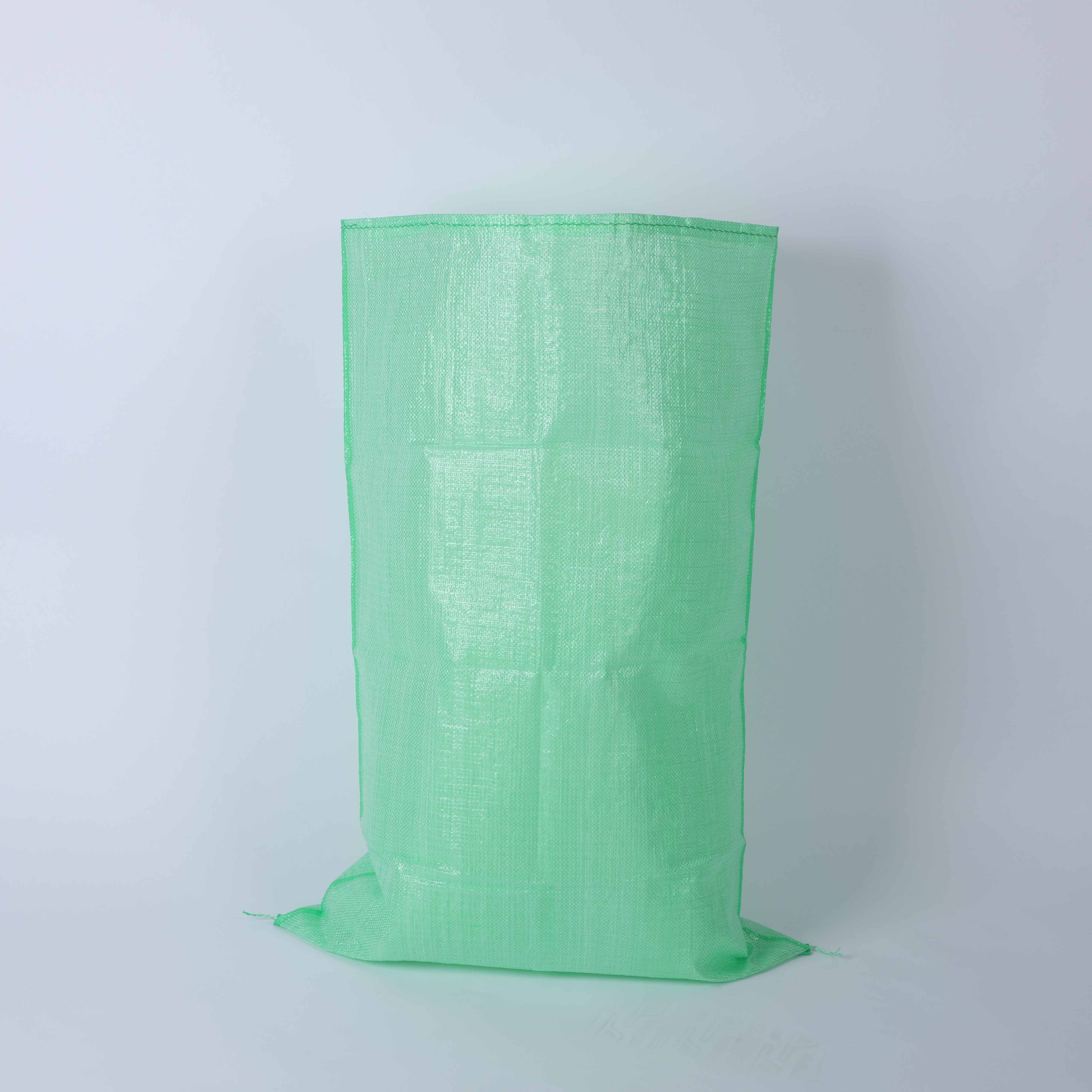
Effective communication is the backbone of reliable pp bag production. When a woven bag factory fails to establish clear channels between design, production, quality control, and customer service departments, misunderstandings multiply. Clients placing orders for custom pp woven bag solutions deserve transparent feedback about production status, material sourcing, and any potential challenges. The most successful woven bag supplier operations recognize that communication is not a side function but a core competitive capability that directly impacts profitability and customer retention.
One of the most common communication failures occurs when customer requirements are not fully understood or documented during the initial design phase. A woven bag factory may receive vague specifications regarding weave density, color requirements, or tensile strength parameters. When these details are assumed rather than clarified, the result is custom pp woven bag batches that do not meet expectations. The solution requires establishing mandatory specification review meetings where all stakeholders, including quality teams, production managers, and customer representatives, align on exact requirements before manufacturing begins.
Documentation standards play a critical role here. A PP woven bag manufacturer should implement digital specification sheets that include images, material certifications, testing requirements, and approval sign-offs. When these documents are accessible to all relevant teams in real time, the likelihood of misinterpretation drops significantly. Regular audits of specification accuracy ensure that customer intent is preserved throughout the entire pp bag production cycle.
Many woven bag supplier operations suffer from poor coordination between procurement, production, and quality assurance teams. The procurement department may source materials based on cost without communicating with production about specific performance characteristics. Quality control may identify defects late in the process without feedback channels to production management. A PP woven bag manufacturer that breaks down these silos through cross-functional meetings, shared dashboards, and integrated planning systems dramatically improves both output quality and production efficiency. Weekly coordination meetings between departments, where each team reports on progress and potential bottlenecks, prevent small issues from becoming major production failures.
Effective woven bag factory operations require standardized communication channels that eliminate ambiguity. Instead of relying on phone calls or informal emails, a custom pp woven bag producer should implement centralized project management platforms where all stakeholders can track specifications, timelines, and status updates. These platforms create an audit trail that protects both the customer and the manufacturer. A woven bag supplier that adopts such systems reports faster issue resolution, fewer rework cycles, and higher first-pass quality rates. Documentation protocols should specify who needs to approve changes, how urgent revisions are communicated, and how feedback loops operate.
A PP woven bag manufacturer should establish written communication standards that cover customer inquiries, sample approvals, production status updates, and quality reports. Response time expectations should be clearly defined. For instance, technical inquiries might require response within 24 hours, sample approvals within 5 business days, and quality issues within 4 hours. These standards ensure that pp bag production delays are minimized and customer confidence remains high.
Proactive communication prevents many issues that arise from information vacuums. A woven bag factory should establish regular production status reports that inform customers about material arrivals, production schedule progress, quality testing results, and expected shipment dates. These updates should be standardized but personalized for each client's needs. When a custom pp woven bag order encounters any delay or quality concern, the customer should be informed immediately, not after the problem escalates. A woven bag supplier that demonstrates transparency builds lasting trust and reduces complaints about missed expectations.
Monthly performance reviews with major customers allow a PP woven bag manufacturer to gather feedback about communication effectiveness and address concerns before they damage relationships. These meetings also provide opportunities to align on future production needs and anticipate potential communication challenges related to new product lines or pp bag production scaling.
Modern woven bag factory operations benefit significantly from integrated software systems that connect customer portals, production planning tools, and quality management platforms. When a custom pp woven bag customer can log into a portal and see real-time status of their order, sample testing progress, and shipment tracking, communication becomes far more efficient. A PP woven bag manufacturer that invests in such systems reduces the volume of status inquiries and frees up staff to focus on problem-solving rather than answering routine questions. Automation of routine reports and notifications ensures that pp bag production information flows continuously to relevant stakeholders without manual intervention.
A woven bag supplier that leverages these tools can identify communication gaps faster and address them systematically. Automated alerts notify teams when timelines are at risk or when specification clarifications are needed, allowing issues to be resolved before they impact production schedules.
Even the best systems fail without staff commitment to clear communication. A woven bag factory should invest in regular training programs that teach employees about communication best practices, conflict resolution, and customer service principles. Staff who understand why communication matters are more motivated to document decisions clearly and respond promptly to inquiries. A custom pp woven bag manufacturer should foster a culture where raising concerns or asking clarifying questions is encouraged rather than discouraged. Team members who feel comfortable speaking up about communication gaps prevent small misunderstandings from becoming major problems.
Customer-facing staff at a PP woven bag manufacturer should receive specialized training on how to handle inquiries from different customer types, how to explain technical specifications clearly, and how to manage expectations about pp bag production capabilities and timelines. This training reduces frustration and builds credibility with clients.
Communication gaps in custom pp woven bag production often stem from complex specifications, multiple stakeholders with different priorities, time pressure, and legacy systems that do not integrate well. A woven bag factory typically involves procurement teams, production crews, quality inspectors, and customer service representatives who may not have clear protocols for sharing information. When specifications are technical and customization is high, misunderstandings become more likely unless formal communication structures are in place.
Key metrics include on-time delivery rates for pp bag production, first-pass quality rates, customer complaint volume related to miscommunication, response time to inquiries, and customer satisfaction scores. A woven bag supplier should track how often production schedules require revision due to specification confusion or material delays caused by unclear purchasing requirements. Regular audits of communication logs can reveal patterns that indicate systematic gaps.
Digital platforms create transparency, reduce reliance on individual memory or informal notes, and enable real-time tracking of custom pp woven bag orders and pp bag production status. A PP woven bag manufacturer that implements centralized project management, automated alerts, and customer portals dramatically reduces miscommunication. However, technology is only effective when combined with clear protocols and staff training that ensures everyone uses the systems consistently and understands their importance.

Discover the 4 critical production metrics—throughput, defect rate, equipment uptime & on-time delivery—to vet factories confidently.

Ensure regulatory compliance & worker safety with proven methods for chemical woven bags—material selection, labeling, storage & training.

Discover the full PP woven bag manufacturing workflow—from extrusion & weaving to printing & QC. Boost efficiency, compliance & ROI. Download the process guide now.

Struggling with weak bags or high material waste? Master extrusion and tape drawing tech for stronger, cheaper PP woven bags. Optimize your production line now.

Struggling with defects or customer returns? Discover the 5 non-negotiable quality checkpoints across your woven bag production line
Which automation tier is right for your PP woven bag factory? Compare manual to Industry 4.0 systems for cost, quality, and scalability.
Get in touch for details on polypropylene woven bags and flexible packaging solutions.
Tel
Address
No.2015, Liaoyuan Building, Lanshan District, Linyi City, Shandong Province.China

