 EN
How to Assess Production Efficiency at a PP Woven Bag Factory
Discover the 4 critical production metrics—throughput, defect rate, equipment uptime & on-time delivery—to vet factories confidently.

2026/08/14
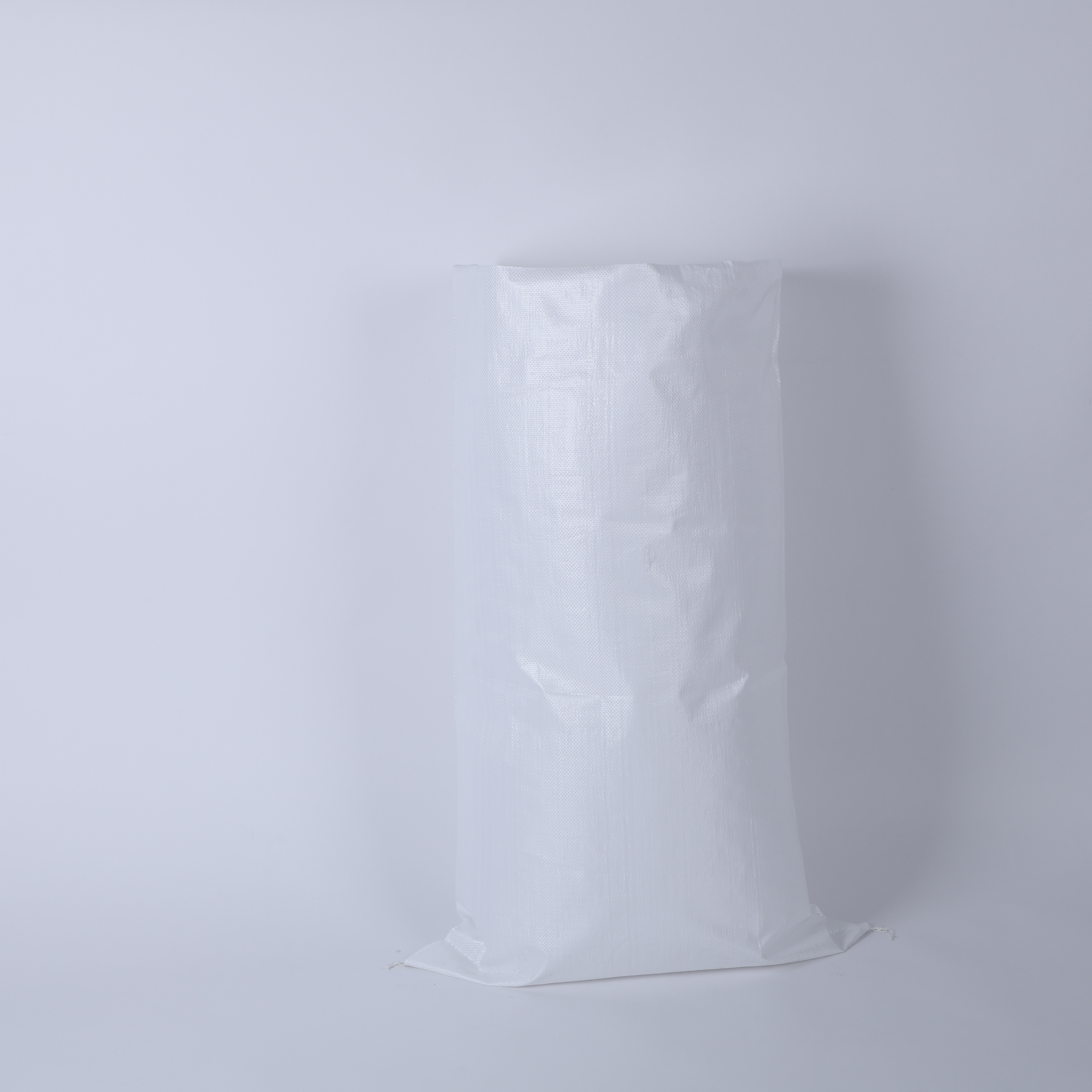
Sugar quality depends heavily on packaging integrity, and the design of your sugar bags directly influences how well your product remains protected from moisture, oxidation, and contamination. Many producers underestimate the relationship between bag construction and final product quality, yet the choice of materials, weave density, and closure mechanisms can mean the difference between premium sugar reaching your customers and degraded product requiring costly disposal. Understanding how superior sugar bags maintain quality throughout the supply chain is essential for any business handling this sensitive commodity.
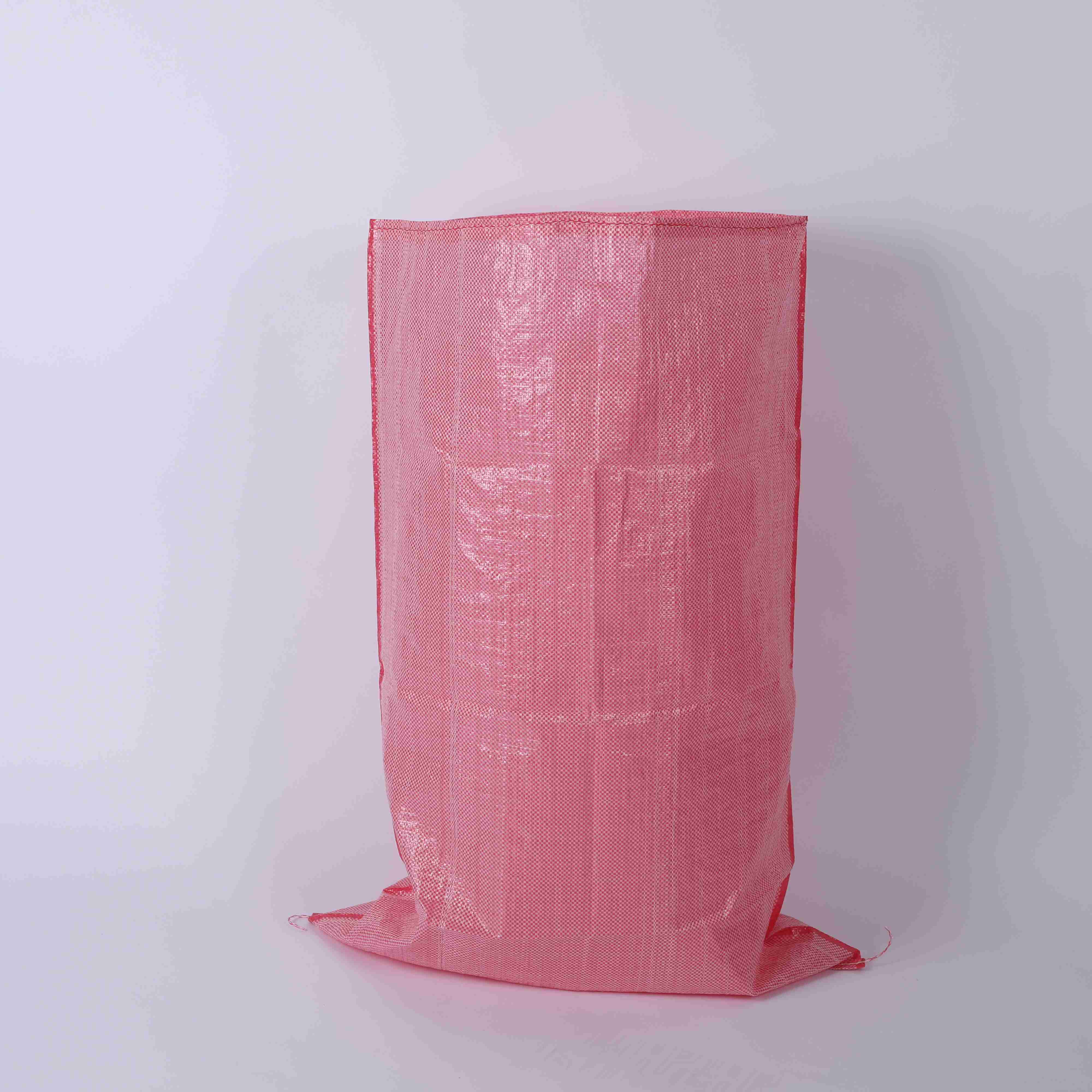
The design of sugar packaging bag solutions has evolved significantly, driven by industry demands for better performance and reduced waste. Modern sugar bags now incorporate multiple protective layers and advanced closure systems that work together to create a barrier against environmental stressors. By adopting practical strategies rooted in material science and engineering, producers can ensure their sugar maintains its color, texture, granule size, and taste profile throughout storage and transportation.
Polypropylene woven bags, commonly called pp sugar sack designs, have become the industry standard for bulk sugar packaging because of their excellent moisture resistance and durability. The pp sugar sack structure uses interlocked polypropylene fibers that create a strong matrix, preventing sugar granules from escaping while blocking external moisture from entering. This material choice is critical because sugar is hygroscopic, meaning it naturally absorbs moisture from the environment, which causes clumping, crystallization changes, and potential microbial growth.
When selecting a pp sugar sack for your operation, examine the weave density, which determines both barrier performance and cost-effectiveness. Higher weave densities provide superior protection but increase material weight and expense. The optimal pp sugar sack design balances protection level with the intended storage duration and climate conditions your sugar will face during transit and warehousing.
All sugar bags must meet food grade packaging bag regulations to ensure consumer safety and regulatory compliance. Food grade packaging bag standards prohibit toxic adhesives, dyes, and materials that could migrate into the sugar product. Choosing a food grade packaging bag manufactured under strict quality protocols ensures your sugar remains free from chemical contamination and meets international food safety certifications required by major buyers and retailers.
The food grade packaging bag must also resist degradation when exposed to temperature fluctuations and extended sunlight. UV stabilizers incorporated into food grade packaging bag formulations prevent the material from becoming brittle, which would compromise the seal and allow moisture ingress. This investment in quality materials pays dividends by reducing product loss and protecting your brand reputation.
The closure method is one of the most critical factors in maintaining sugar quality through the sugar woven bag design. Sugar woven bag systems that feature heat-sealed openings create an airtight barrier that prevents atmospheric moisture from reaching the product inside. Double-sealing or triple-stitched closures on sugar woven bag formats add redundancy, ensuring that even if one seal fails, additional barriers protect the contents.
Many producers opt for valve-equipped sugar woven bag designs that allow pressurized filling while maintaining a hermetic seal afterward. This approach reduces air pockets within the bag, minimizing oxidation and extending shelf life significantly. The sugar woven bag valve system also speeds up the filling process, improving production efficiency without compromising product integrity.
The sugar packaging bag must withstand the weight and pressure of product stacking during storage and transport. Reinforced bottom seams, gusseted sides, and strong stitching patterns distribute weight more evenly, preventing bag failure that would expose sugar to contamination. When designing sugar packaging bag specifications, ensure that seam strength ratings exceed the maximum stacking pressure your operation will apply during normal handling.
Tear-resistant materials and reinforced corner construction improve the durability of each sugar packaging bag unit. These features are especially important in warehouses where bags are stacked several meters high or transported on rough terrain. Investing in structural improvements during the design phase reduces breakage incidents and the associated costs of product recovery and customer complaints.
Multi-layer pp sugar sack construction adds protective barriers that prevent oxygen from entering the bag interior, which slows sugar degradation and color changes. Some advanced pp sugar sack designs incorporate oxygen scavenger sachets within the bag, which chemically bind residual oxygen and extend product viability for months beyond standard protection levels. This technology is particularly valuable for premium sugar grades where color consistency and flavor profile are critical selling points.
The pp sugar sack outer layer should resist puncture and abrasion from contact with warehouse equipment, pallets, and rough handling during loading and unloading. Adding a polyethylene film layer to the exterior of the pp sugar sack provides additional protection while maintaining cost efficiency compared to thicker woven materials throughout the entire structure.
Sugar quality maintenance depends on understanding the storage climate throughout the supply chain. Food grade packaging bag designs that include built-in desiccants or moisture-absorbing inserts actively remove humidity from the bag interior, keeping sugar granules dry and free-flowing regardless of external conditions. This food grade packaging bag enhancement is especially valuable when sugar will be stored in tropical regions or transported across multiple climate zones.
Ventilation considerations also factor into long-term storage decisions. While sealed bags provide maximum protection, some producers use breathable food grade packaging bag variants during initial curing periods to allow temperature equilibration before final heat sealing. This staged approach prevents condensation buildup that could damage surface quality while the product acclimates to storage conditions.
Modern sugar bags use multi-layer construction with polypropylene woven materials that create a moisture barrier. Heat-sealed closures, desiccant inserts, and oxygen scavenger technology work together to maintain dry conditions inside the bag. Food grade packaging bag standards ensure that all materials used in the barrier system are food-safe and chemically stable, preventing any contaminants from entering the sugar while keeping external humidity out effectively.
The pp sugar sack offers exceptional strength-to-weight ratio, moisture resistance, and cost-effectiveness compared to alternative materials. Polypropylene's inherent properties allow pp sugar sack manufacturers to create lightweight bags that still withstand heavy stacking and rough handling. The woven structure of a pp sugar sack also provides better ventilation during production filling while the sealed closure protects the finished product, making this design ideal for commercial sugar operations.
Evaluate your storage environment's temperature range, humidity levels, and duration before choosing a sugar packaging bag design. If storing in high-humidity areas, select sugar packaging bag options with desiccant or oxygen scavenger technology. For tropical climates or extended storage periods, invest in premium food grade packaging bag variants with reinforced barriers and advanced sealing systems to ensure your sugar reaches customers in optimal condition.

Discover the 4 critical production metrics—throughput, defect rate, equipment uptime & on-time delivery—to vet factories confidently.

Ensure regulatory compliance & worker safety with proven methods for chemical woven bags—material selection, labeling, storage & training.

Discover the full PP woven bag manufacturing workflow—from extrusion & weaving to printing & QC. Boost efficiency, compliance & ROI. Download the process guide now.

Struggling with weak bags or high material waste? Master extrusion and tape drawing tech for stronger, cheaper PP woven bags. Optimize your production line now.

Struggling with defects or customer returns? Discover the 5 non-negotiable quality checkpoints across your woven bag production line
Which automation tier is right for your PP woven bag factory? Compare manual to Industry 4.0 systems for cost, quality, and scalability.
Get in touch for details on polypropylene woven bags and flexible packaging solutions.
Tel
Address
No.2015, Liaoyuan Building, Lanshan District, Linyi City, Shandong Province.China

