 EN
How to Assess Production Efficiency at a PP Woven Bag Factory
Discover the 4 critical production metrics—throughput, defect rate, equipment uptime & on-time delivery—to vet factories confidently.

2026/08/07
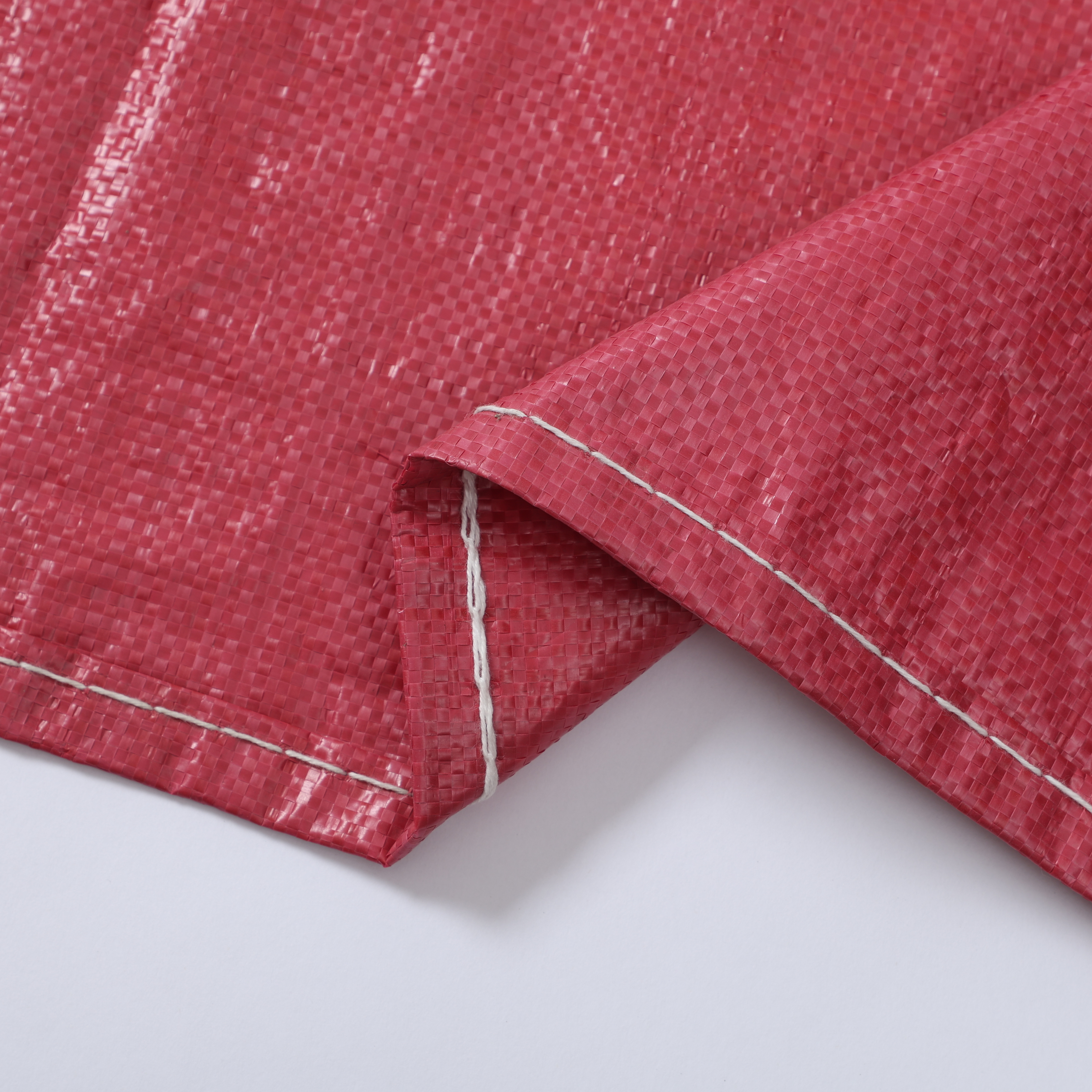
Choosing the right packaging solution for bulk material handling requires understanding the distinctions between laminated and unlaminated options. A pp woven bag serves as a workhorse across industries, from agriculture to chemicals, construction to food processing. However, the decision between laminated and unlaminated variants directly impacts moisture resistance, product shelf life, cost efficiency, and environmental compliance. This article examines both approaches, helping procurement teams and logistics managers select the optimal packaging configuration for their specific bulk material requirements.
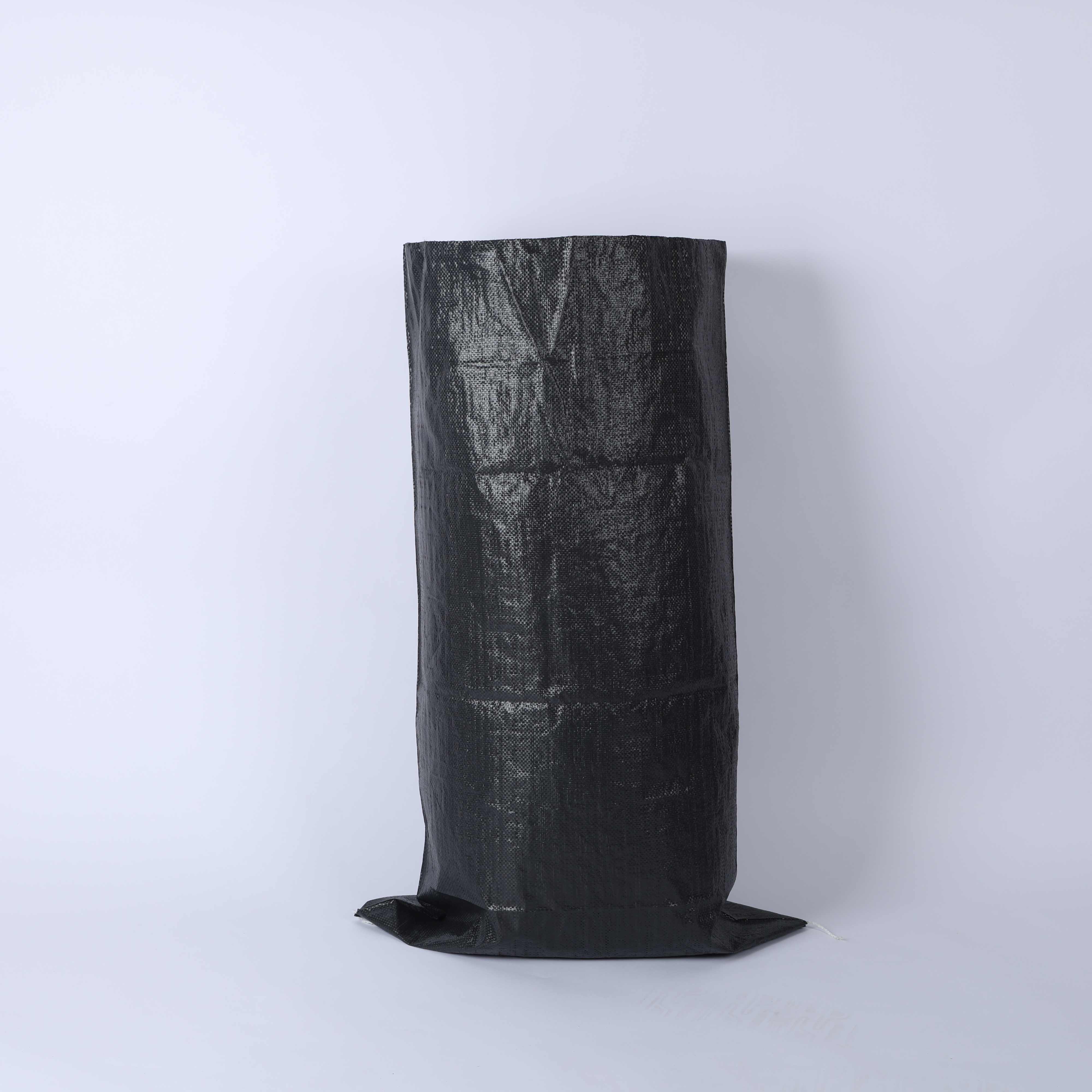
The polypropylene woven bag market has evolved significantly over the past decade, driven by stricter moisture control demands and sustainability considerations. Unlaminated designs offer cost advantages and ease of recycling, while laminated variants provide enhanced barrier protection against environmental exposure. Understanding the technical, economic, and operational differences between these two configurations enables businesses to reduce material waste, prevent product degradation, and optimize supply chain investments. Both polypropylene woven packaging approaches remain widely used, yet their performance characteristics diverge meaningfully in specific handling environments.
Unlaminated pp woven sacks consist of woven polypropylene film without an additional protective layer. This structure allows air and moisture to penetrate the bag walls, making unlaminated variants suitable for dry bulk materials like grains, flour, sugar, and aggregates. The woven polypropylene packaging design provides mechanical strength while maintaining breathability, which can actually prevent condensation buildup in certain applications. Conversely, laminated pp bulk bags feature a polymer coating applied to the internal or external surfaces, creating a moisture barrier that protects hygroscopic and sensitive materials from humidity fluctuations and environmental contaminants.
Unlaminated polypropylene woven bags typically cost 15 to 25 percent less than laminated counterparts due to simplified manufacturing processes and lower material input. This price advantage makes unlaminated options attractive for high-volume, lower-value bulk material applications where moisture sensitivity remains minimal. Laminated pp woven sack production involves additional coating or adhesive steps, increasing production time and material expenses. However, the added protection can prevent costly product loss from moisture damage, potentially offsetting the higher initial purchase price when handling premium or moisture-sensitive commodities. Economic justification depends on the material value, storage duration, and climate conditions throughout the supply chain.
Unlaminated woven polypropylene packaging performs adequately in controlled, dry storage facilities with stable humidity levels below 65 percent. Outdoor storage or tropical climates expose unlaminated bags to rapid moisture ingress, risking product quality degradation and potential total loss. Laminated pp woven bags excel in challenging environments, including marine transport, outdoor stacking, and regions with high humidity or seasonal rain exposure. The barrier layer minimizes moisture penetration and reduces interaction between external contaminants and the product interior. Industries handling pharmaceuticals, certain food products, and chemical compounds frequently adopt laminated solutions to maintain strict moisture specifications throughout distribution chains.
Both unlaminated and laminated pp bulk bags withstand standard mechanical handling, including automated filling, conveyor transport, and forklift movement. Unlaminated variants exhibit slightly higher tear resistance in sharp-edge contact scenarios because the woven structure allows microscopic fiber realignment. Laminated pp woven sacks provide superior puncture resistance and protect contents from dust ingress during handling. Abrasion from rough warehouse surfaces or aggressive machinery can eventually compromise the laminate layer, exposing the underlying woven structure. Overall durability remains comparable when bags remain within normal handling parameters, though laminated options offer additional margin for abuse tolerance and extended reuse cycles.
Unlaminated woven polypropylene packaging integrates seamlessly into existing polypropylene recycling streams, requiring minimal sorting or preprocessing. Many facilities accept clean, unlaminated pp woven bags as feedstock for resin recovery, regrinding, and fiber production. Laminated pp bulk bags present recycling challenges because the adhesive or plastic coating complicates separation processes. Some advanced recycling facilities can handle laminated variants through specialized techniques, but mainstream recycling programs often classify them as contamination. Organizations prioritizing circular economy principles and sustainability metrics frequently specify unlaminated solutions, even accepting some moisture risk in exchange for end-of-life recyclability. Regulatory frameworks in Europe, Asia, and North America increasingly incentivize use of recyclable packaging materials, favoring unlaminated polypropylene woven bags where technical performance permits.
Both laminated and unlaminated pp woven sack designs meet FDA compliance requirements when manufactured from virgin polypropylene approved for direct food contact. Laminated bags with food-grade adhesives satisfy stringent moisture and contamination barriers demanded by premium food processing applications. Unlaminated pp woven bags work effectively for non-sensitive food commodities like rice, lentils, and spices, provided storage environments remain controlled. Chemical, pharmaceutical, and industrial sectors often mandate laminated woven polypropylene packaging to meet stricter contamination control standards. Understanding specific regulatory requirements for your material category and destination market directly determines whether laminated or unlaminated options remain viable choices.
Material sensitivity to moisture, storage environment, transportation duration, climate conditions, and cost constraints drive the selection decision. Dry materials in controlled indoor storage favor unlaminated pp woven sacks, while moisture-sensitive goods, outdoor exposure, or extended supply chains justify laminated polypropylene woven packaging. Evaluate the total cost of ownership, including potential product loss and disposal expenses, rather than focusing solely on initial bag purchase price when making this comparison.
Unlaminated pp woven bags withstand multiple fill-and-empty cycles when handled carefully and stored in dry conditions. The woven polypropylene structure remains mechanically sound through repeated use, making unlaminated variants economical for return-load programs and closed-loop systems. Laminated pp woven sacks also support reuse cycles but degrade more rapidly if the laminate layer sustains damage during handling, potentially exposing contents to contamination in subsequent applications.
Laminated pp bulk bags perform significantly better in outdoor conditions, protecting contents from direct moisture exposure, UV degradation effects, and environmental contaminants. However, extended outdoor storage still requires weather-protective measures such as tarps or covered structures to preserve bag integrity and prevent premature laminate deterioration. Unlaminated bags should never remain exposed outdoors, as rapid moisture absorption compromises product quality and bag structural integrity within days or weeks depending on humidity levels.

Discover the 4 critical production metrics—throughput, defect rate, equipment uptime & on-time delivery—to vet factories confidently.

Ensure regulatory compliance & worker safety with proven methods for chemical woven bags—material selection, labeling, storage & training.

Discover the full PP woven bag manufacturing workflow—from extrusion & weaving to printing & QC. Boost efficiency, compliance & ROI. Download the process guide now.

Struggling with weak bags or high material waste? Master extrusion and tape drawing tech for stronger, cheaper PP woven bags. Optimize your production line now.

Struggling with defects or customer returns? Discover the 5 non-negotiable quality checkpoints across your woven bag production line
Which automation tier is right for your PP woven bag factory? Compare manual to Industry 4.0 systems for cost, quality, and scalability.
Get in touch for details on polypropylene woven bags and flexible packaging solutions.
Tel
Address
No.2015, Liaoyuan Building, Lanshan District, Linyi City, Shandong Province.China

