 EN
How to Assess Production Efficiency at a PP Woven Bag Factory
Discover the 4 critical production metrics—throughput, defect rate, equipment uptime & on-time delivery—to vet factories confidently.

2026/08/11
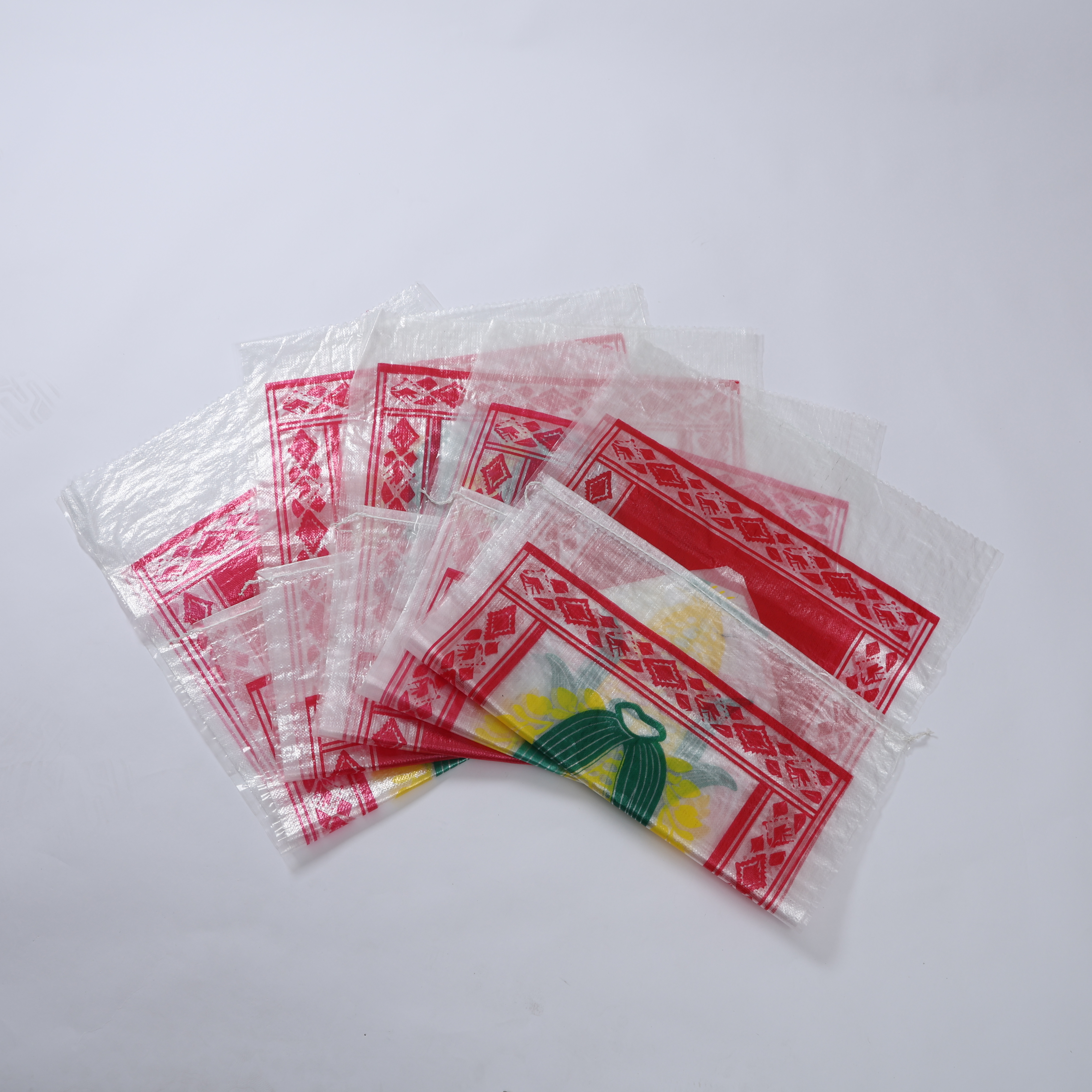
Choosing between small pack and bulk pack rice bags is a critical decision for distributors, retailers, and supply chain managers. The right rice bag solution directly impacts operational costs, storage efficiency, shelf visibility, and customer satisfaction. Small pack and bulk pack options serve different market segments and distribution strategies, each with distinct advantages and trade-offs that require careful evaluation based on your specific business model and end-market demands.
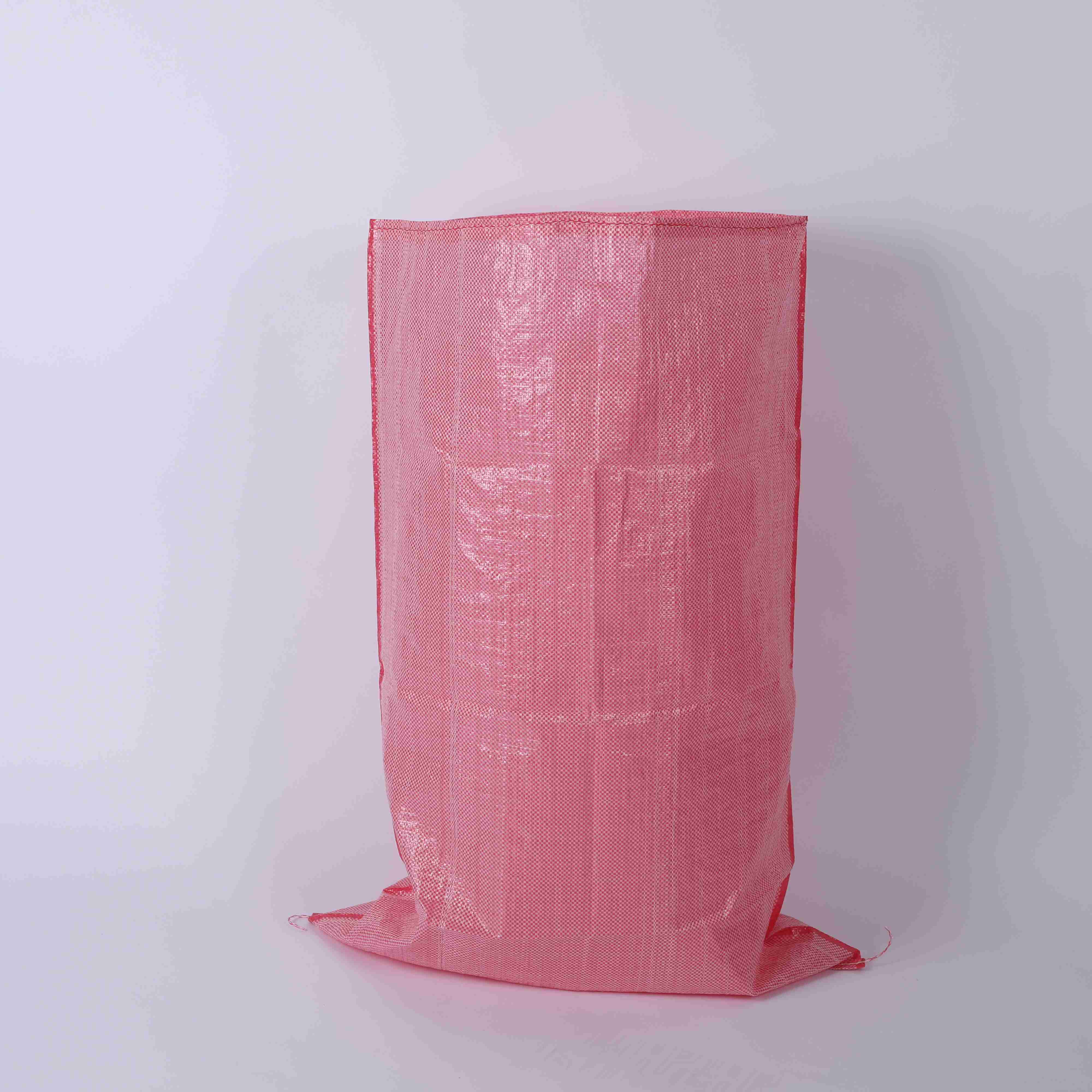
Distribution efficiency encompasses multiple factors including handling time, transportation cost per unit, warehouse footprint, product visibility, and retail shelf performance. Understanding how small pack versus bulk pack rice woven bag options align with your logistics network, customer base, and market positioning will help you optimize profitability and reduce waste. This article explores the practical differences, cost implications, and strategic considerations that drive this fundamental packaging decision.
Small pack rice bags, typically ranging from 5 kg to 25 kg, dominate retail channels and consumer-facing distribution. These smaller units appeal directly to household buyers, small restaurants, and institutional buyers with limited storage capacity. A rice packaging bag in smaller format occupies prime shelf space more efficiently in retail environments, allowing retailers to stock multiple varieties and brands simultaneously. Visibility increases, impulse purchasing improves, and product rotation accelerates, reducing obsolescence risk and freshness concerns.
The pp rice sack format in smaller sizes also supports promotional pricing and bundling strategies that drive volume sales without requiring customers to commit to large storage investments. This flexibility makes small packs ideal for competitive retail markets where shelf space is premium and consumer choice drives purchasing behavior.
Small pack grain storage bag formats align with existing retail distribution networks built around case handling, pallet stacking, and standard warehouse workflows. Distribution centers already equipped for conventional grocery products can accommodate small pack volumes without significant infrastructure changes. Per-unit handling costs remain manageable because the logistics ecosystem is optimized for these standardized sizes. However, the total number of individual units increases substantially compared to bulk alternatives, requiring more picks, sorts, and tracking operations across the supply chain.
Bulk pack rice woven bag options, often sized at 50 kg or 100 kg per unit, deliver significant per-kilogram cost reductions through material efficiency and production scale. A larger rice packaging bag requires less packaging material relative to product volume, reducing material waste and production overhead per kilogram. Transportation costs per unit drop substantially when bulk packs reduce the total number of shipments needed to move equivalent product volume. For business-to-business distribution channels serving restaurants, food processors, institutional buyers, and wholesale operations, bulk pack efficiency translates directly to margin improvement.
The pp rice sack format at bulk scale also enables customized printing and branding at lower per-unit cost, supporting premium positioning and supply chain traceability. Large-format grain storage bag options satisfy the needs of buyers with adequate storage infrastructure who prioritize per-unit cost savings over convenience.
Bulk pack rice bags significantly reduce warehouse cubic requirements per kilogram of stored product. Fewer individual units mean streamlined inventory management, reduced picking complexity, and lower labor overhead in distribution centers. Pallet utilization improves because bulk packs stack more efficiently than smaller equivalents, reducing handling equipment cycles and energy consumption. For high-volume distributors and manufacturers with dedicated storage facilities, bulk pack rice woven bag solutions reduce operational friction and accelerate throughput capacity.
However, bulk packs require customers with sufficient storage capacity and handling infrastructure. They suit distribution channels optimized for case-load or pallet-level transactions rather than individual consumer purchases.
The optimal choice between small pack and bulk pack rice packaging bag formats depends fundamentally on your target customer segments and distribution channels. Retail-focused strategies demand small pack visibility, variety, and consumer accessibility. Institutional, food service, and wholesale channels benefit from bulk pack efficiency and cost structure. Many successful distributors pursue a dual-format strategy, offering both grain storage bag sizes to capture retail and institutional demand simultaneously. This approach maximizes market reach but introduces complexity in manufacturing scheduling, inventory management, and logistics routing.
A comprehensive total cost analysis must account for material costs, manufacturing overhead, packaging design, transportation, warehouse handling, and inventory carrying costs. Small pack rice sack options typically carry higher per-kilogram costs but enable faster inventory turnover and reduced spoilage risk in warm or humid environments. Bulk pack pp rice sack solutions reduce per-unit material and transportation costs but may increase inventory holding periods and storage facility requirements. The break-even analysis depends on your specific cost structure, demand volatility, customer geography, and supply chain infrastructure.
Seasonal demand patterns also influence the decision. Markets with stable year-round demand favor bulk pack efficiency, while seasonal or volatile demand environments benefit from small pack flexibility and reduced inventory commitment.
Small pack rice packaging bag options ranging from 5 kg to 25 kg typically perform best in retail environments because they fit consumer shopping patterns, occupy moderate shelf space, and support rapid inventory rotation. Retailers prefer smaller units that attract price-sensitive shoppers while maintaining healthy margin percentages. For wholesale or food service channels, bulk pack rice woven bag formats from 50 kg to 100 kg reduce per-unit costs and simplify logistics operations.
Bulk pack grain storage bag formats reduce per-kilogram material costs by 10–25 percent depending on your production volume and material specifications. Transportation expenses per unit decline because fewer shipments move equivalent product volume. Warehouse handling labor decreases through simplified inventory management and faster pallet processing. However, these benefits require customers with adequate storage infrastructure and demand predictability to justify the larger commitments per transaction.
Yes, many successful distributors operate dual-format strategies that serve both retail and institutional channels simultaneously. Small pack rice woven bag offerings attract consumers and smaller retailers, while bulk pack pp rice sack options serve food processors and wholesale buyers. This approach maximizes market penetration but requires careful demand forecasting, manufacturing flexibility, and logistics coordination to manage inventory and avoid excess stock of either format.

Discover the 4 critical production metrics—throughput, defect rate, equipment uptime & on-time delivery—to vet factories confidently.

Ensure regulatory compliance & worker safety with proven methods for chemical woven bags—material selection, labeling, storage & training.

Discover the full PP woven bag manufacturing workflow—from extrusion & weaving to printing & QC. Boost efficiency, compliance & ROI. Download the process guide now.

Struggling with weak bags or high material waste? Master extrusion and tape drawing tech for stronger, cheaper PP woven bags. Optimize your production line now.

Struggling with defects or customer returns? Discover the 5 non-negotiable quality checkpoints across your woven bag production line
Which automation tier is right for your PP woven bag factory? Compare manual to Industry 4.0 systems for cost, quality, and scalability.
Get in touch for details on polypropylene woven bags and flexible packaging solutions.
Tel
Address
No.2015, Liaoyuan Building, Lanshan District, Linyi City, Shandong Province.China

