 EN
How to Assess Production Efficiency at a PP Woven Bag Factory
Discover the 4 critical production metrics—throughput, defect rate, equipment uptime & on-time delivery—to vet factories confidently.

2026/08/17
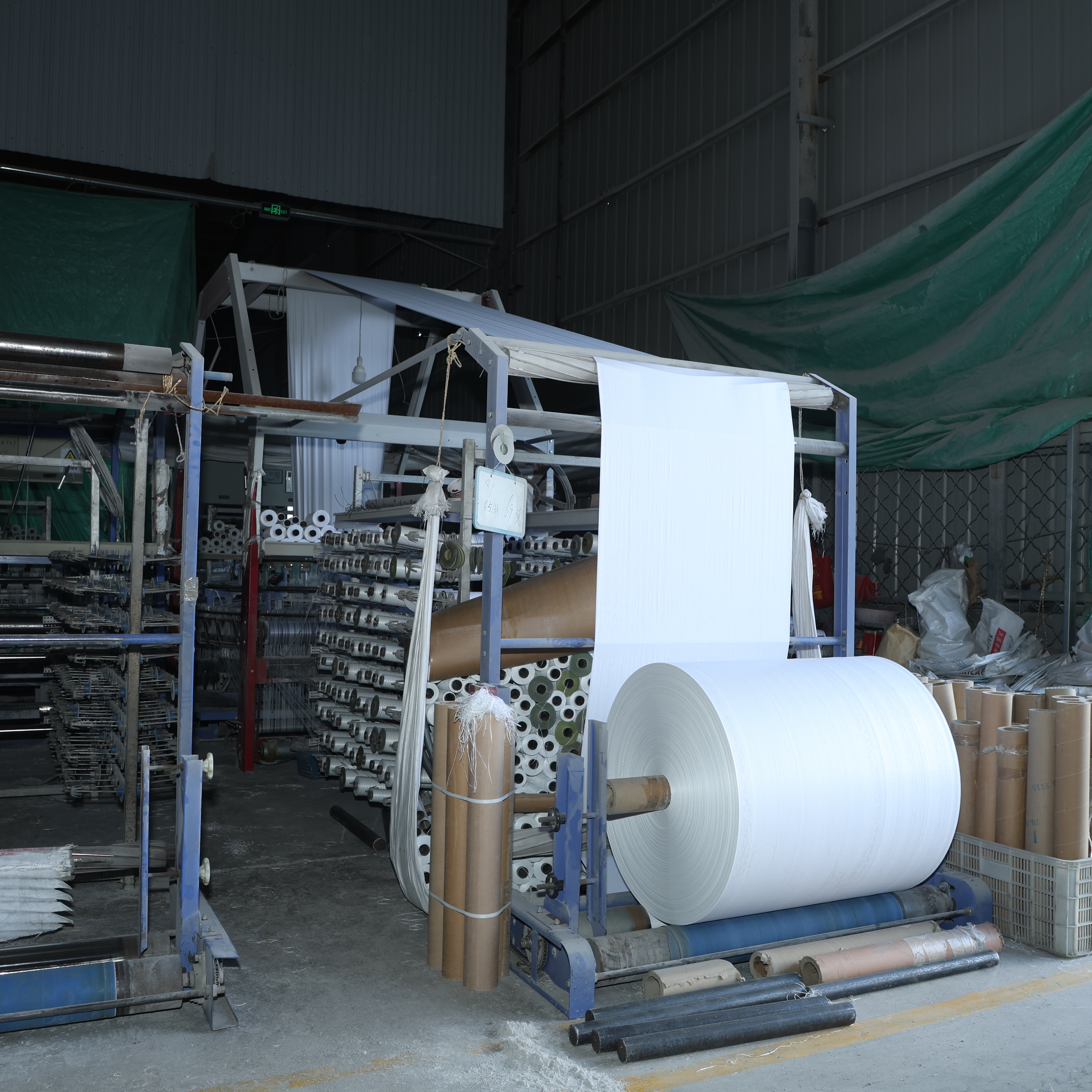
Production delays are a persistent challenge in the packaging industry, and partnering with a PP woven bag manufacturer often reveals just how complex the manufacturing process truly is. Understanding the root causes of these delays helps businesses make informed decisions about supplier selection, production timelines, and inventory planning. When a woven bag factory misses deadlines, the ripple effects extend across supply chains, affecting retailers, distributors, and end consumers alike.
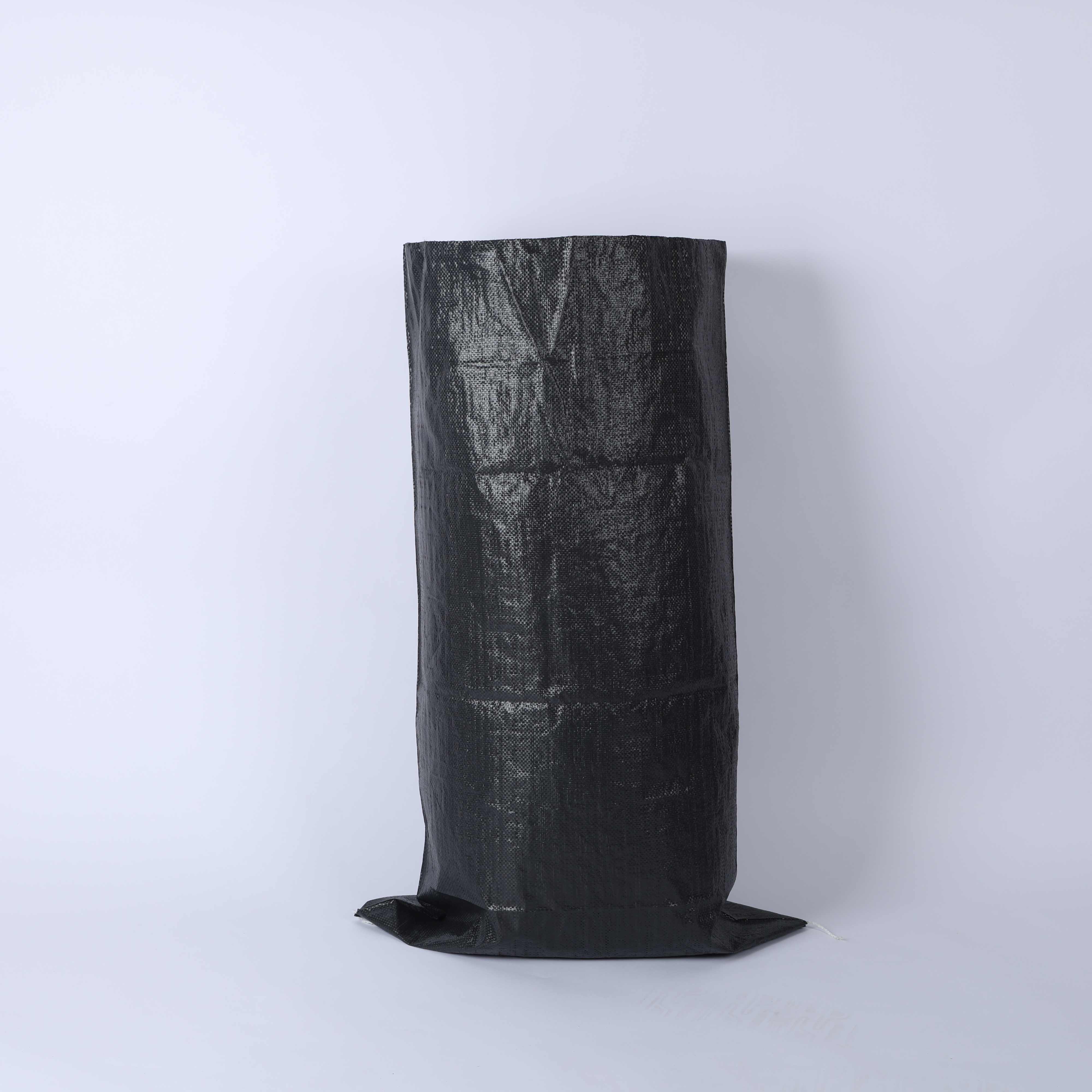
The reality of pp bag production involves intricate machinery, raw material sourcing, quality control checkpoints, and labor coordination that must align perfectly for on-time delivery. Delays emerge not from a single failure point but from a combination of operational, logistical, and market-driven factors that require systematic understanding. By examining why production delays happen, businesses can better negotiate with woven bag suppliers, set realistic expectations, and implement contingency strategies that protect their operations.
Polypropylene resin, the primary input for pp bag production, faces volatile sourcing challenges that directly impact manufacturing schedules. A woven bag factory depends on consistent resin delivery from petrochemical suppliers, but global price fluctuations, geopolitical events, and refinery maintenance windows create unpredictability. When a custom pp woven bag order requires specific resin grades or colors, sourcing becomes even more complex, requiring advance procurement and quality verification before production begins.
Quality inconsistencies in incoming resin batches force woven bag manufacturers to conduct extended testing protocols, which adds days or weeks to the production schedule. If resin fails to meet specifications, the entire production run halts, and alternative sourcing becomes necessary. This dependency on material suppliers means that a woven bag supplier cannot guarantee delivery timelines independently; they must coordinate with their own supply chain partners to maintain momentum.
International resin suppliers ship materials via container or truck, and logistics delays cascade into the woven bag factory's production capacity. Port congestion, customs clearance delays, and trucking availability directly determine when raw materials arrive for processing. Custom pp woven bag manufacturers operating in regions with limited port infrastructure or during peak shipping seasons experience extended lead times, which postpones the start of production cycles.
A pp bag production facility must maintain buffer stock to absorb these delays, but this requires capital investment and warehouse space that not all woven bag suppliers can afford. Smaller operations lack the financial cushion to pre-purchase materials, making them vulnerable to supply disruptions that cascade into missed delivery dates.
Woven bag manufacturing involves specialized machinery for extrusion, weaving, coating, and printing, each operating at different production speeds and requiring regular maintenance windows. A woven bag factory must schedule preventive maintenance to avoid catastrophic equipment failures, but these planned downtimes directly reduce available production capacity. When multiple orders arrive simultaneously, the factory faces real physical constraints on how many woven bags can be produced within any given timeframe.
Equipment breakdowns during production create unpredictable delays that are particularly damaging for time-sensitive orders. A pp bag production line that stops unexpectedly requires diagnostic work, replacement parts, and testing before resuming operations, sometimes extending delays by 5 to 15 days. A custom pp woven bag order scheduled between maintenance windows may face unexpected disruptions if equipment fails, forcing the woven bag supplier to reallocate resources or push timelines backward.
Seasonal demand fluctuations mean that a pp bag production facility experiences alternating periods of excess capacity and full utilization. During peak agricultural harvesting, bulk packaging demand surges, and woven bag manufacturers operate at maximum capacity with limited flexibility for urgent orders. A woven bag factory handling multiple customer requests simultaneously cannot prioritize all orders equally without sacrificing delivery timelines for some clients.
Many woven bag suppliers operate on a first-come, first-served basis, meaning that smaller or newer customers experience longer wait times during peak seasons. Investment in additional production lines requires substantial capital and long-term demand forecasting, which many mid-sized manufacturers cannot justify. This capacity constraint is structural and creates genuine bottlenecks that extend delivery timelines regardless of customer pressure or payment terms.
When customers order a custom pp woven bag with specific color, thickness, printing, or lamination requirements, the pp bag production process becomes more complex than standard offerings. Each unique specification requires design validation, material testing, and sample approval before full-scale production begins. A woven bag factory must invest time in prototype development, which adds 5 to 10 days to the overall timeline before mass production starts.
Quality standards for woven bags vary by industry, with some customers requiring tear-strength testing, UV resistance verification, or food-safety compliance documentation. These testing protocols cannot be skipped without liability risk, so a reliable woven bag supplier builds them into production schedules. Delays in test results or failed batches that require rework create cascading effects on completion dates, particularly when custom pp woven bag orders require multiple revisions.
Many custom pp woven bag orders include printed logos, branding, or product information, requiring separate printing equipment and color-matching processes. A pp bag production facility must align printing schedules with weaving output, creating synchronization challenges that are difficult to manage when orders vary widely in design complexity. Color consistency across large production runs demands attention to ink formulation, temperature control, and equipment calibration, all of which consume additional time.
When a woven bag supplier discovers color mismatches or printing quality issues mid-run, the entire batch may require reprinting, which halts progress and extends delivery timelines significantly. These quality checks are non-negotiable in professional manufacturing, so customers must expect that genuine woven bag suppliers will not cut corners to accelerate delivery at the expense of product quality.
Lead times for woven bags typically range from 15 to 30 days for standard orders, but custom specifications can extend timelines to 30 to 45 days or longer. A woven bag supplier's lead time depends on current capacity utilization, material availability, and customization complexity. Communicating specific requirements early allows the pp bag production team to provide accurate timelines and identify potential bottlenecks in advance.
Production delays from a woven bag supplier directly affect inventory levels, product launch schedules, and customer fulfillment commitments. When a custom pp woven bag order misses its deadline, downstream operations experience disruption, potentially requiring emergency sourcing from alternative suppliers at premium costs. Building buffer stock and selecting reliable woven bag factories with proven track records minimizes the risk of cascading supply chain failures.
Larger woven bag factories typically offer better capacity absorption during peak demand periods, but size alone does not guarantee faster delivery. A pp bag production facility with modern equipment and efficient processes may deliver faster than a larger competitor with outdated machinery. Evaluating a woven bag supplier's equipment quality, workforce training, and historical delivery performance provides better insight than capacity size alone.

Discover the 4 critical production metrics—throughput, defect rate, equipment uptime & on-time delivery—to vet factories confidently.

Ensure regulatory compliance & worker safety with proven methods for chemical woven bags—material selection, labeling, storage & training.

Discover the full PP woven bag manufacturing workflow—from extrusion & weaving to printing & QC. Boost efficiency, compliance & ROI. Download the process guide now.

Struggling with weak bags or high material waste? Master extrusion and tape drawing tech for stronger, cheaper PP woven bags. Optimize your production line now.

Struggling with defects or customer returns? Discover the 5 non-negotiable quality checkpoints across your woven bag production line
Which automation tier is right for your PP woven bag factory? Compare manual to Industry 4.0 systems for cost, quality, and scalability.
Get in touch for details on polypropylene woven bags and flexible packaging solutions.
Tel
Address
No.2015, Liaoyuan Building, Lanshan District, Linyi City, Shandong Province.China

