 EN
How to Assess Production Efficiency at a PP Woven Bag Factory
Discover the 4 critical production metrics—throughput, defect rate, equipment uptime & on-time delivery—to vet factories confidently.

2026/08/11
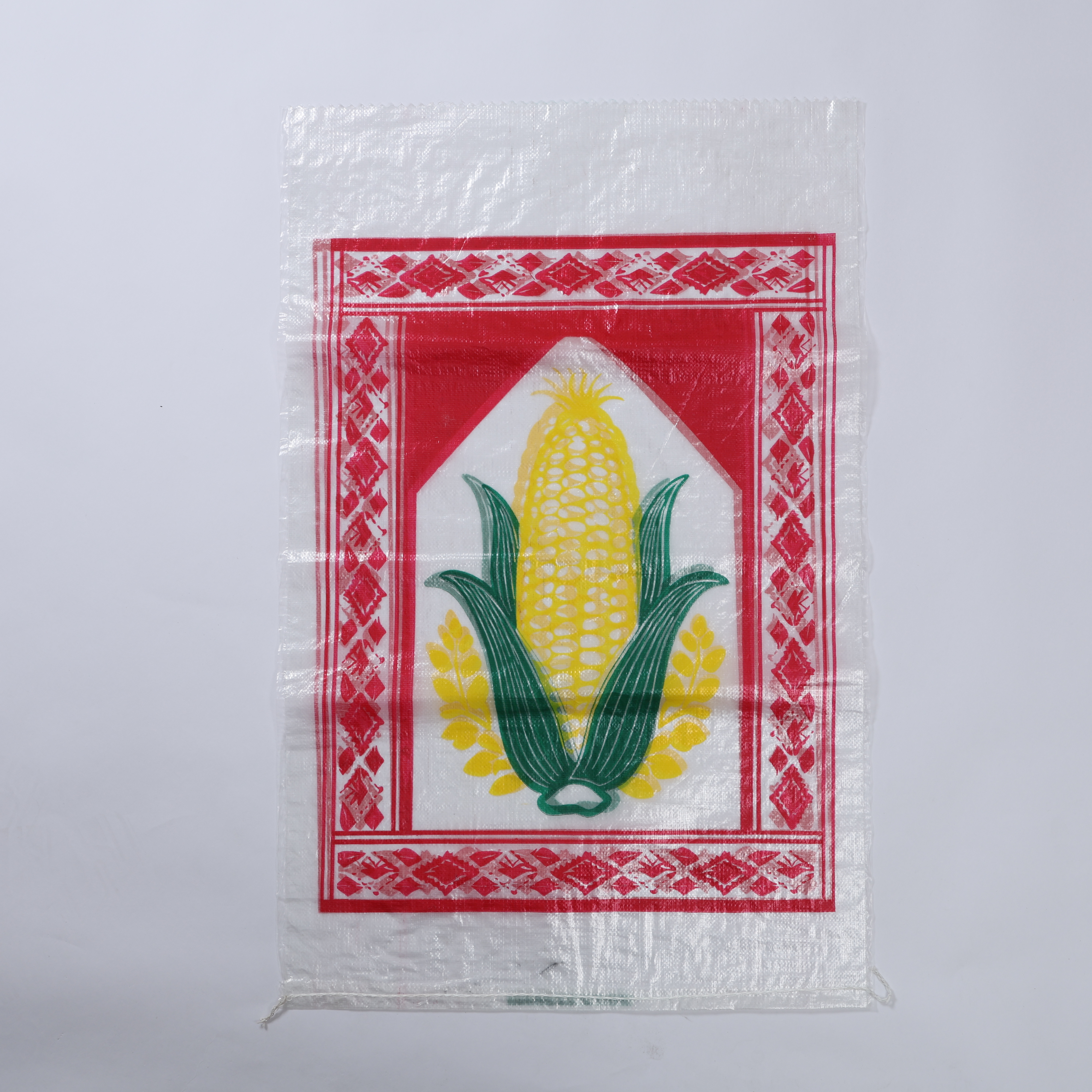
The integrity of a rice bag depends fundamentally on the sealing method employed during production. Modern rice packaging operations use diverse sealing techniques to ensure product protection, extend shelf life, and maintain quality throughout the supply chain. Understanding these methods is essential for manufacturers, distributors, and agricultural businesses seeking to optimize their grain storage and transportation solutions. The choice of sealing method directly impacts the longevity of stored grains, resistance to contamination, and overall cost-effectiveness of the rice woven bag solution.
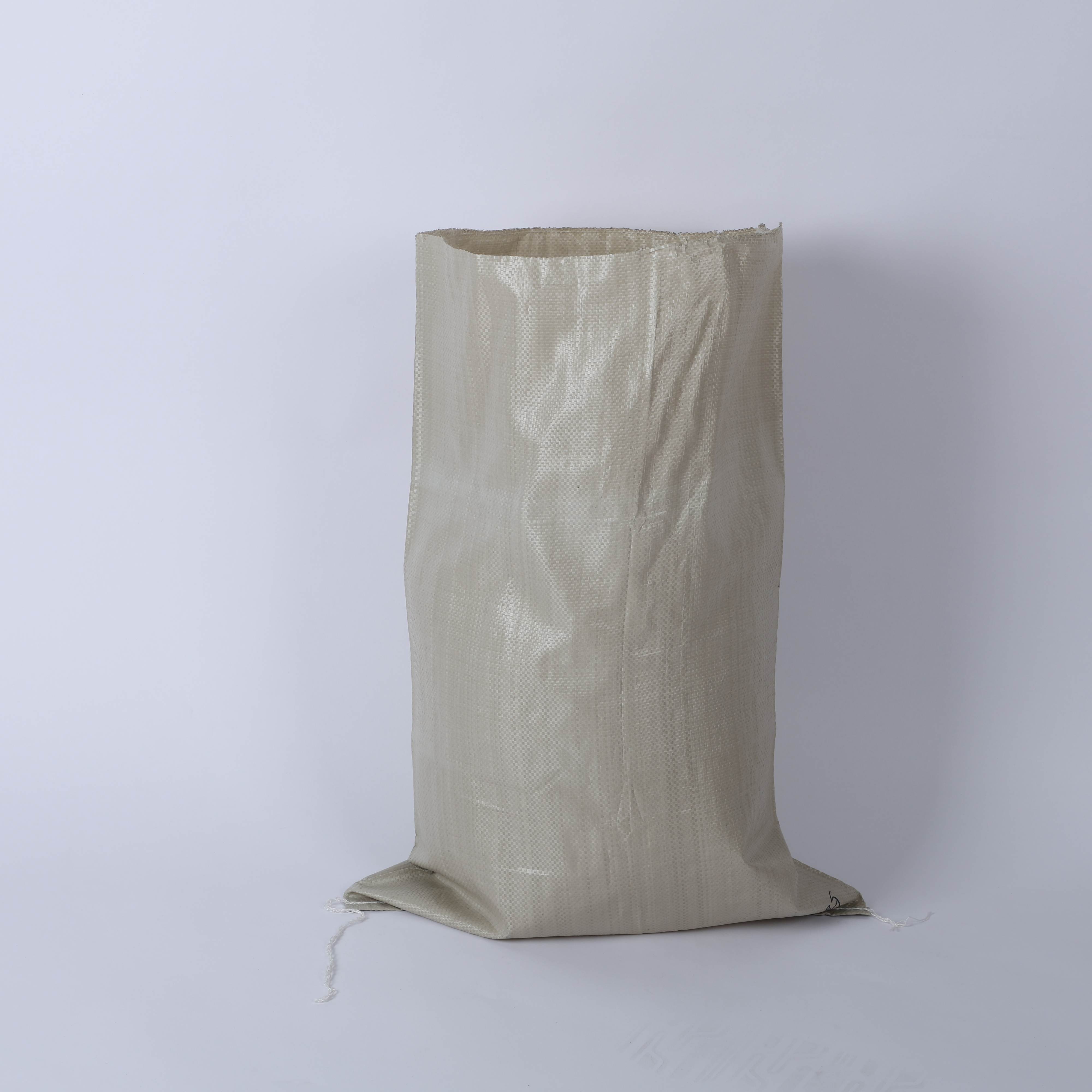
Different sealing approaches address specific production volumes, material compositions, and end-use requirements. A pp rice sack used for bulk grain distribution may require industrial heat sealing, while smaller retail rice packaging bags benefit from more economical methods. Each technique carries distinct advantages regarding speed, equipment investment, seal strength, and environmental considerations. This comprehensive exploration of sealing methodologies equips stakeholders with the knowledge to select appropriate technologies for their specific grain storage bag applications.
Impulse heat sealing stands as the most widespread method in commercial rice bag manufacturing. This technique applies a heated seal bar to the overlapped edges of the pp rice sack material, creating a permanent bond through localized melting. The process involves a brief heating pulse followed by immediate cooling, which prevents excessive heat damage to the surrounding rice packaging bag material. Impulse sealing excels at high production speeds, making it ideal for facilities processing thousands of bags daily. The method works exceptionally well with polypropylene materials commonly used in grain storage bags, creating uniform, airtight seals that protect contents from moisture and contaminants.
Continuous heat sealing employs heated rollers or belts that maintain constant temperature contact with the rice bag material as it passes through. This approach differs from impulse sealing by maintaining steady heat rather than applying brief pulses. Facilities using continuous heat sealing typically achieve slightly slower production rates but gain enhanced seal consistency and durability. The rice woven bag material experiences uniform thermal treatment, reducing variations in seal quality across large production batches. This method particularly benefits operations focusing on premium rice packaging bag grades where seal strength and longevity directly influence customer satisfaction and product reputation.
Ultrasonic sealing represents a sophisticated alternative gaining adoption in premium rice packaging segments. Rather than heat, this method uses high-frequency vibrations to generate localized friction that bonds pp rice sack materials together. Ultrasonic systems excel at creating narrow, precise seals with minimal heat exposure, preserving material integrity and preventing thermal degradation of contents. This technology proves particularly valuable for grain storage bags containing specialty rice varieties sensitive to temperature fluctuations. The sealed rice bag edges remain cooler than with traditional heat methods, reducing potential product quality compromise and enabling faster cooling cycles that accelerate production throughput.
Cold sealing utilizes adhesive-based bonding systems without thermal energy, offering unique advantages for temperature-sensitive applications. This rice packaging bag sealing method involves applying specialized adhesives to overlapped material portions, which harden through chemical cross-linking rather than heat activation. Cold sealing enables efficient handling of materials that might otherwise degrade under high temperatures, expanding the range of sustainable rice woven bag options. Pressure-based systems rely on mechanical compression forces to create molecular bonds between bag layers, occasionally enhanced with chemical adhesives. These approaches, while slower than heat-based methods, provide exceptional seal quality for specialized grain storage bag applications requiring minimal thermal interference.
The optimal sealing method for any rice bag operation depends on multiple interconnected variables including production volume, material specifications, regulatory requirements, and cost parameters. High-volume facilities processing industrial grain storage bags typically favor impulse or continuous heat sealing due to speed and equipment availability. Medium-scale operations producing rice packaging bags may find ultrasonic systems cost-effective once initial investment is recovered through operational efficiency gains. Smaller producers often rely on simpler heat-sealing equipment or contract sealing services, minimizing capital expenditure while maintaining quality standards. The rice bag specifications, whether pp rice sack or traditional woven constructions, significantly influence which sealing technologies prove most compatible and cost-effective.
Successful sealing method implementation requires comprehensive quality control protocols ensuring consistent seal integrity throughout production runs. Modern rice packaging bag facilities employ visual inspection systems, mechanical strength testing, and pressure-based integrity checks to verify seal quality. Operators monitor temperature parameters, pressure settings, and cooling cycles to maintain optimal conditions for durable grain storage bag seals. Periodic destructive testing of sample rice woven bags verifies that seals meet specified strength requirements, typically measured in pounds of force required to separate sealed edges. Documentation of sealing parameters for each production batch enables traceability and facilitates rapid problem identification should seal failures occur in the supply chain.
An effective rice packaging bag seal must prevent moisture ingress, resist puncturing during handling, and maintain integrity throughout extended storage periods. The seal should completely fuse or bond the overlapped material edges, creating an airtight barrier that protects grain contents from environmental humidity and contamination. Quality grain storage bags feature seals capable of withstanding mechanical stress from stacking, transportation vibration, and temperature fluctuations without separation or micro-cracking that could compromise the rice woven bag's protective function.
Impulse heat sealing typically offers the fastest production speeds and lowest per-unit sealing costs, making it ideal for high-volume pp rice sack operations. Continuous heat sealing operates at moderate speeds with moderate equipment costs but delivers superior seal consistency. Ultrasonic sealing provides mid-range speeds with higher equipment investment but excels in precision and material preservation for premium rice packaging bag applications. Cold sealing offers flexibility for temperature-sensitive grains but operates at lower speeds, increasing labor costs per rice bag unit produced.
Different sealing methods are not always interchangeable due to material compatibility, equipment requirements, and quality standards considerations. Each rice woven bag material composition responds uniquely to various sealing techniques, and grain storage bag specifications often mandate particular sealing methods to ensure performance standards. However, quality-focused rice packaging bag manufacturers often maintain multiple sealing technologies to accommodate diverse customer requirements, material options, and volume commitments while maintaining consistent product excellence.

Discover the 4 critical production metrics—throughput, defect rate, equipment uptime & on-time delivery—to vet factories confidently.

Ensure regulatory compliance & worker safety with proven methods for chemical woven bags—material selection, labeling, storage & training.

Discover the full PP woven bag manufacturing workflow—from extrusion & weaving to printing & QC. Boost efficiency, compliance & ROI. Download the process guide now.

Struggling with weak bags or high material waste? Master extrusion and tape drawing tech for stronger, cheaper PP woven bags. Optimize your production line now.

Struggling with defects or customer returns? Discover the 5 non-negotiable quality checkpoints across your woven bag production line
Which automation tier is right for your PP woven bag factory? Compare manual to Industry 4.0 systems for cost, quality, and scalability.
Get in touch for details on polypropylene woven bags and flexible packaging solutions.
Tel
Address
No.2015, Liaoyuan Building, Lanshan District, Linyi City, Shandong Province.China

