 EN
How to Assess Production Efficiency at a PP Woven Bag Factory
Discover the 4 critical production metrics—throughput, defect rate, equipment uptime & on-time delivery—to vet factories confidently.

2026/08/13
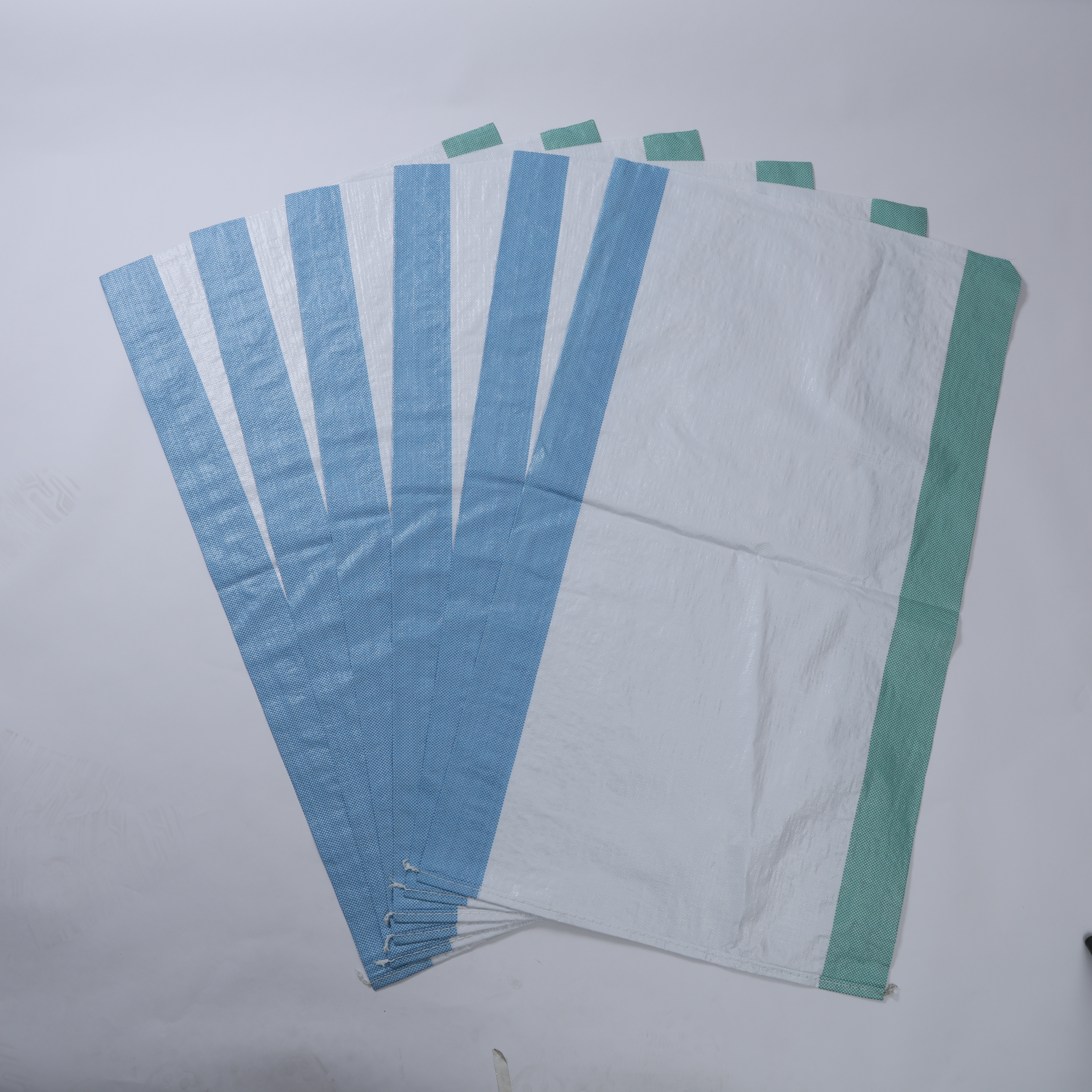
Print durability standards for feed bags are essential for maintaining brand visibility and product protection throughout the supply chain. Feed bags endure harsh handling, exposure to moisture, temperature fluctuations, and extended storage periods, making it critical that printed graphics, logos, and product information remain legible and attractive from warehouse to farm. Understanding these standards helps producers and packaging manufacturers ensure their livestock feed bags meet industry expectations and regulatory requirements.
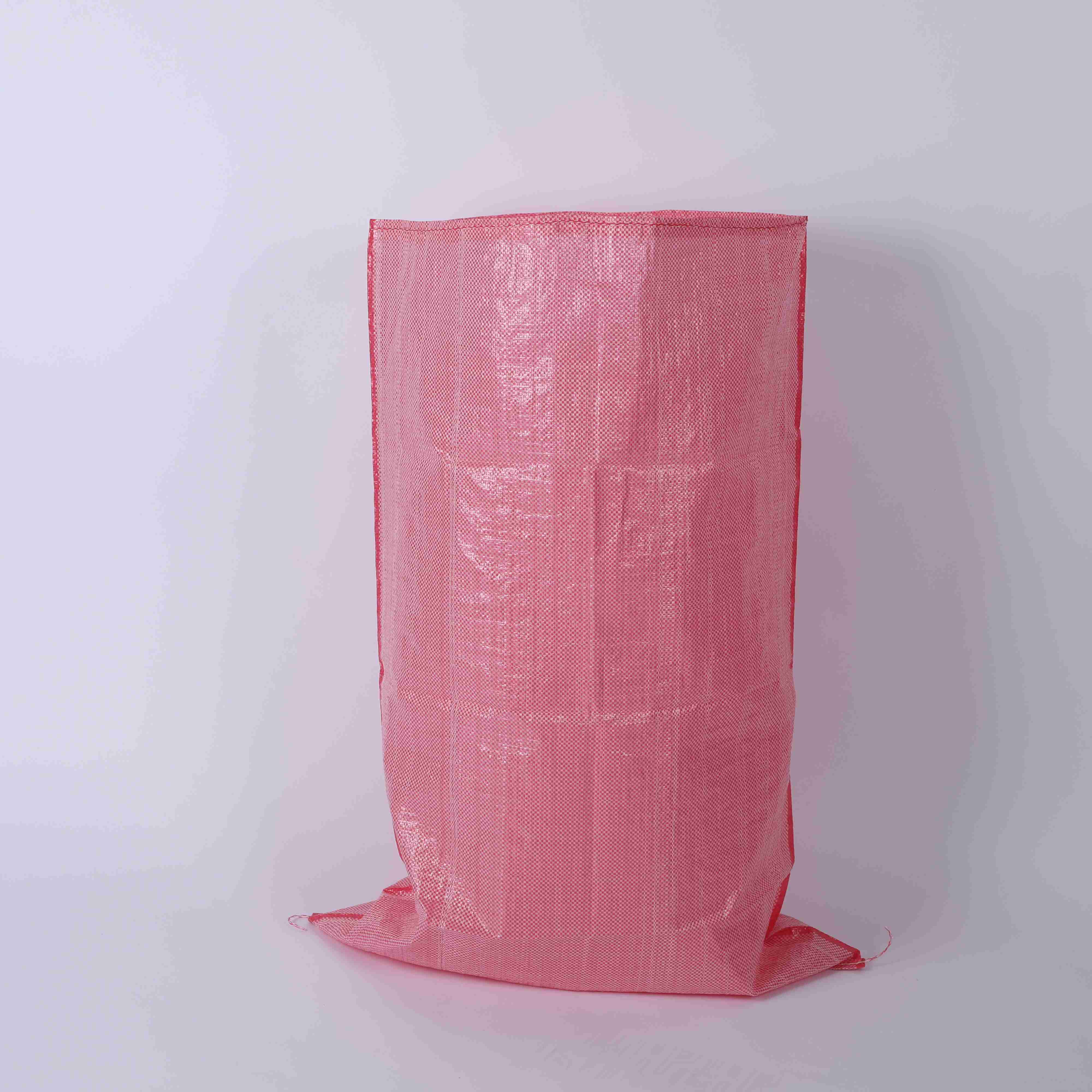
The durability of printed animal feed bag designs directly influences customer perception and brand recognition. When print quality degrades prematurely, consumers question product authenticity and may shift to competitors. A well-designed animal feed bag with durable printing demonstrates manufacturer commitment to quality and professionalism. This article explores the key durability standards, testing methodologies, and material considerations that ensure your pp feed sack branding withstands real-world conditions and maintains compliance.
Feed packaging bag durability is governed by several international standards that define print performance benchmarks. ISO 2409 specifies adhesion testing for printed coatings, while ISO 105 establishes color fastness criteria for different environmental exposures. For livestock feed bag applications, these standards ensure printed information remains readable throughout product shelf life. Regional food safety authorities often mandate compliance with specific durability thresholds, particularly when feed bags are exported internationally or used in regulated agricultural markets.
National and regional organizations also establish their own guidelines for feed packaging. In North America, the Association of American Feed Control Officials (AAFCO) requires clear, legible labeling that resists fading and wear. European standards emphasize eco-friendly pp feed sack materials paired with durable ink formulations. These regulatory frameworks ensure that all animal feed bag products meet consistent quality benchmarks regardless of manufacturing location or distribution channel.
Ink manufacturers must certify their products meet specific durability performance metrics to qualify for feed bag printing applications. These certifications verify that ink adheres properly to polypropylene substrates, resists moisture penetration, and maintains color intensity under ultraviolet light exposure. Feed packaging bag printing operations require inks specifically formulated for flexible film substrates, as standard inks designed for rigid surfaces often fail durability tests when applied to pp feed sacks.
Certification bodies test ink formulations against abrasion, moisture, and chemical exposure scenarios typical of livestock feed bag environments. Approved ink suppliers maintain detailed documentation proving their products comply with ISO standards and regional feed safety regulations. Manufacturers of animal feed bag solutions must source inks from certified suppliers and maintain batch records demonstrating continued compliance throughout production.
Testing protocols simulate the cumulative wear that feed bags experience over months of storage and handling. Accelerated weathering chambers expose printed samples to controlled UV radiation, temperature cycling, and humidity variations to compress years of exposure into weeks of testing. These livestock feed bag durability tests measure print adhesion, color retention, and resistance to fading under extreme conditions. Results provide manufacturers with confidence that their pp feed sack designs will maintain quality through extended distribution and storage periods.
Abrasion resistance testing evaluates how printed graphics withstand physical friction from palletization, transportation, and warehouse handling. Mechanical testers subject printed animal feed bag samples to standardized rubbing and scratching protocols that mimic real-world contact. Print that passes these abrasion tests demonstrates superior durability and lower risk of premature degradation. Feed packaging bag manufacturers use abrasion data to optimize ink formulations and substrate selections for maximum performance.
Feed bags are frequently stored in environments with high humidity, temperature fluctuations, and exposure to mineral dust, fertilizer residues, and agricultural chemicals. Testing protocols replicate these challenging conditions to verify that printed text and graphics remain intact and legible. Moisture resistance tests submerge printed animal feed bag samples in water to measure ink bleeding, adhesion failure, and color changes. These livestock feed bag durability evaluations ensure that product information and brand logos remain visible even after exposure to water spray, rain, or high-humidity storage conditions.
Chemical resistance testing exposes printed pp feed sack samples to common agricultural substances including oils, fertilizers, and pesticides that may contact packaging during handling and storage. Print that maintains color and adhesion under chemical exposure demonstrates superior formulation quality. Feed packaging bag manufacturers conduct these tests to guarantee their products resist degradation from accidental spills or residual agricultural chemicals on equipment and warehouse floors.
The polypropylene substrate forms the foundation for durable animal feed bag printing. High-quality pp feed sack materials feature optimized crystalline structure and surface texture that promote superior ink adhesion and color retention. Substrate coating treatments enhance print durability by creating receptive surfaces for ink bonding while providing moisture barriers. Feed bags manufactured from premium polypropylene with specialized coatings demonstrate significantly better print longevity compared to standard material alternatives.
Surface finish variations impact how ink adheres and weathers on livestock feed bag packaging. Matte finishes provide excellent color depth and resistance to gloss fade, while glossy surfaces offer enhanced visual appeal and improved moisture barriers. Manufacturers optimize coating thickness and chemical composition to balance print appearance with durability requirements. The best feed packaging bag solutions employ multi-layer substrate designs that combine structural strength with optimized print receptivity.
Advanced ink formulations specifically designed for flexible films provide superior durability compared to conventional printing inks. Water-based inks formulated for pp feed sacks offer excellent environmental profiles while maintaining robust adhesion and color fastness. Solvent-based and UV-curable ink systems penetrate polypropylene substrates more effectively than standard formulations, creating stronger print bonds that resist abrasion and environmental stress. Animal feed bag manufacturers select ink chemistry based on durability testing results and specific environmental exposure scenarios anticipated in their target markets.
Application technology directly influences final print durability on livestock feed bag products. Rotogravure printing delivers superior ink transfer and adhesion compared to flexographic methods, resulting in more durable logos and text. Printing speed, pressure, and substrate tension must be optimized during manufacturing to ensure consistent ink transfer and minimal variation across feed packaging bag production runs. Quality manufacturers maintain strict process controls and conduct frequent print samples to verify that each production batch meets established durability standards.
Durability testing for animal feed bag printing includes ISO 2409 adhesion tests, ISO 105 color fastness evaluation, and ASTM abrasion resistance protocols. Accelerated weathering tests expose pp feed sack samples to UV radiation and humidity cycles to simulate years of environmental exposure. Chemical resistance testing subjects feed packaging bag prints to oils, moisture, and agricultural substances. Manufacturers document all testing results to demonstrate compliance with regional feed safety regulations and industry standards.
Substrate coatings create optimized surfaces that enhance ink adhesion and moisture barriers on animal feed bag materials. Premium polypropylene with specialized coating treatments supports superior print bonding compared to uncoated pp feed sacks. Advanced ink formulations designed specifically for flexible films penetrate the substrate more effectively and resist environmental stress better than standard printing inks. Feed packaging bag manufacturers must source coated substrates and certified inks to achieve maximum print longevity and regulatory compliance.
Moisture exposure, temperature cycling, and UV radiation present the greatest durability challenges for printed livestock feed bags. High humidity and water contact cause ink bleeding and adhesion failure if the pp feed sack substrate and coating are inadequately formulated. Extended storage under direct sunlight causes color fading and print degradation on animal feed bag packaging. Feed bags stored near agricultural chemicals or fertilizer residues may experience accelerated print deterioration if the ink formulation lacks chemical resistance properties. Quality feed bags undergo comprehensive durability testing to withstand these harsh storage and handling conditions.

Discover the 4 critical production metrics—throughput, defect rate, equipment uptime & on-time delivery—to vet factories confidently.

Ensure regulatory compliance & worker safety with proven methods for chemical woven bags—material selection, labeling, storage & training.

Discover the full PP woven bag manufacturing workflow—from extrusion & weaving to printing & QC. Boost efficiency, compliance & ROI. Download the process guide now.

Struggling with weak bags or high material waste? Master extrusion and tape drawing tech for stronger, cheaper PP woven bags. Optimize your production line now.

Struggling with defects or customer returns? Discover the 5 non-negotiable quality checkpoints across your woven bag production line
Which automation tier is right for your PP woven bag factory? Compare manual to Industry 4.0 systems for cost, quality, and scalability.
Get in touch for details on polypropylene woven bags and flexible packaging solutions.
Tel
Address
No.2015, Liaoyuan Building, Lanshan District, Linyi City, Shandong Province.China

