 EN
How to Assess Production Efficiency at a PP Woven Bag Factory
Discover the 4 critical production metrics—throughput, defect rate, equipment uptime & on-time delivery—to vet factories confidently.

2026/08/28
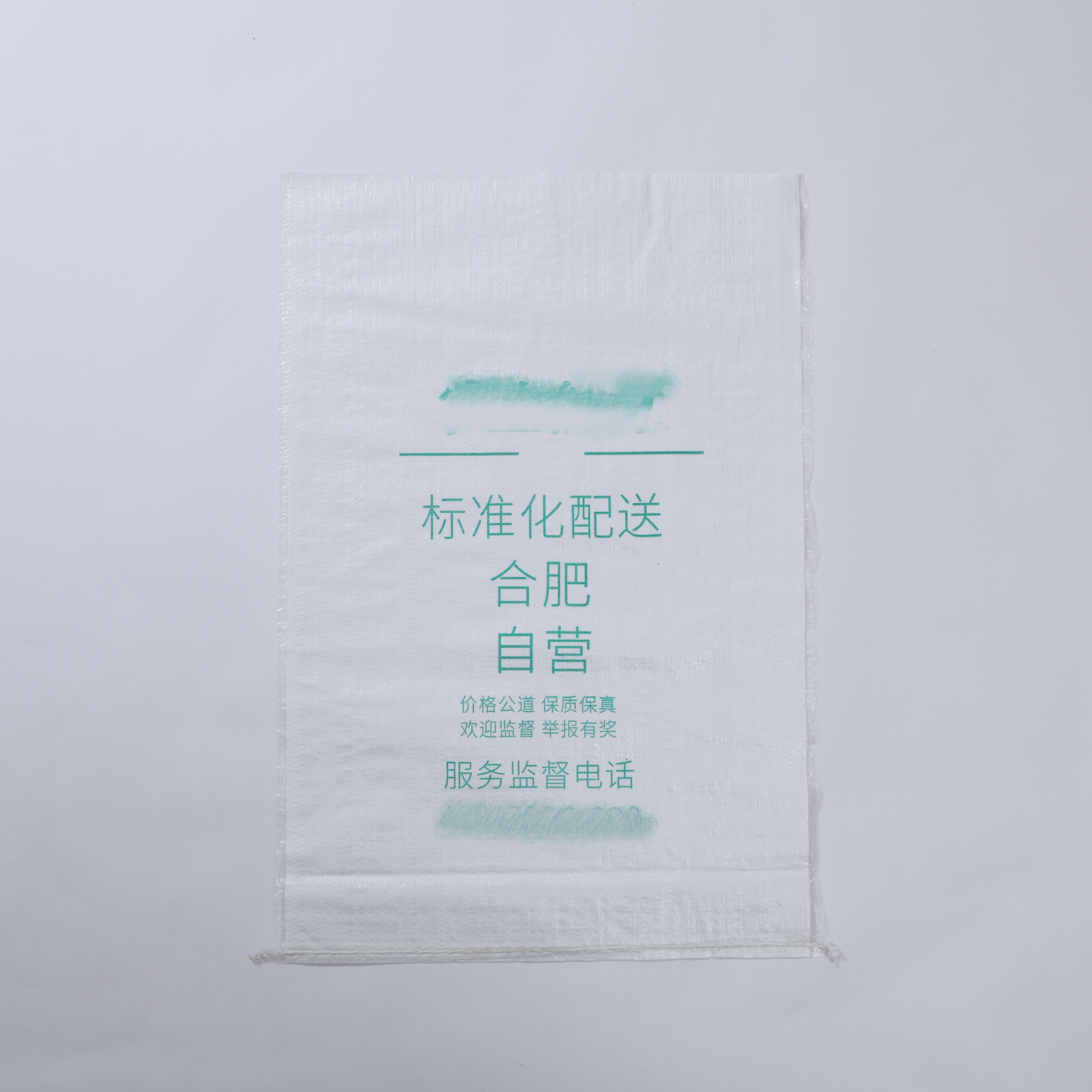
Understanding load capacity ratings for a corn bag is essential for anyone involved in grain storage, agricultural logistics, or food production. Load capacity defines the maximum weight a corn storage bag can safely hold without risk of rupture, puncture, or structural failure. This specification directly impacts your operational efficiency, product safety, and cost management across the supply chain.
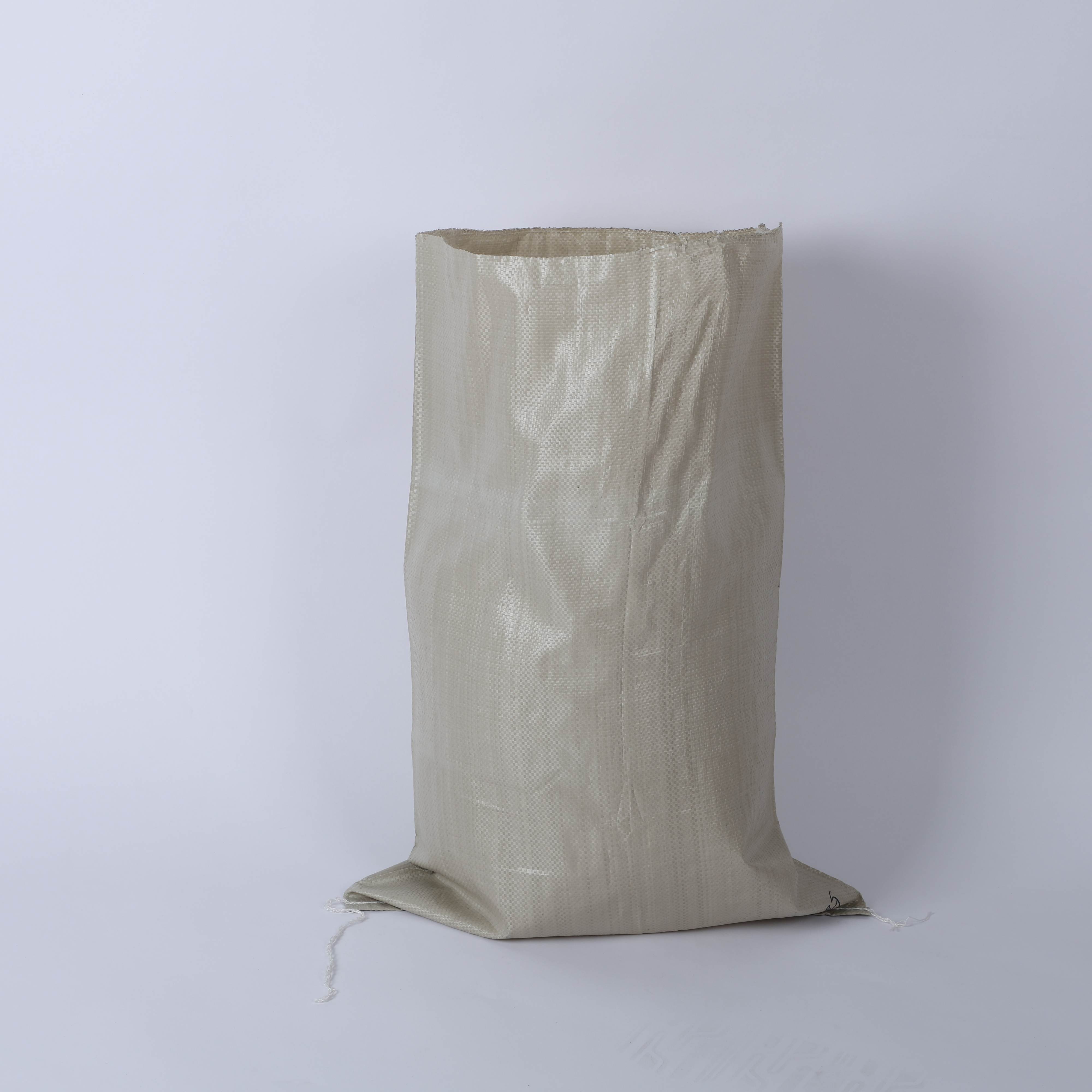
A grain woven bag must balance durability, cost, and environmental conditions during storage and transport. The load capacity of a corn packaging bag depends on material composition, weave density, layer configuration, and manufacturing standards. Selecting the right capacity ensures your grain remains protected while minimizing waste and maximizing warehouse efficiency.
Polypropylene construction forms the foundation of modern corn storage solutions. A pp corn bag typically uses virgin or recycled resin combined with stabilizers and colorants to achieve specific strength properties. The denier rating—measuring fiber thickness—directly correlates with tensile strength and burst resistance. Higher denier values create thicker, stronger fibers that support greater loads without deformation.
Standard pp corn bag grades range from 50 gsm to 150 gsm depending on intended use. A corn packaging bag rated at 50 gsm suits light to medium grain loads, typically 25 to 40 kilograms. Heavy-duty grades reaching 150 gsm accommodate loads exceeding 50 kilograms, making them ideal for long-term storage in challenging climates. The choice depends on your stacking height, storage duration, and transportation conditions.
Weave density—measured in threads per inch—directly impacts the structural integrity of your grain woven bag. Tighter weaves reduce gap size between fibers, limiting moisture penetration and preventing grain spillage during handling. Most corn storage bag products feature between 10 and 16 threads per inch, with higher densities providing superior protection against environmental stress.
Layer configuration further enhances load capacity. Single-layer corn bags work for short-term storage of lighter loads, while two-layer designs distribute stress more evenly. Three-layer construction, combining outer protective layers with a moisture-resistant inner laminate, provides maximum capacity and shelf life extension. Each added layer increases material cost but significantly improves overall durability and protects your grain investment.
Manufacturers test corn packaging bag capacity using standardized protocols that simulate real-world storage and handling conditions. Tensile strength testing measures how much pulling force the material withstands before tearing. Burst testing applies pressure from inside the bag until rupture occurs, directly correlating to maximum safe grain weight. Drop tests simulate transportation impacts and determine whether bags maintain integrity when subjected to rough handling.
A reliable corn storage bag undergoes hydrostatic pressure testing to confirm water and moisture resistance under load. This matters significantly in humid climates where moisture accumulation increases bag weight and structural stress. Accelerated aging tests expose samples to UV light, temperature fluctuations, and oxidative conditions to predict long-term performance. Bags that maintain 80 percent or higher strength after aging prove suitable for extended storage periods.
Global standards guide grain woven bag manufacturing and capacity rating. ISO 2879 establishes test methods for pp corn bag tensile strength and elongation. ISO 6640 defines testing procedures for burst strength and puncture resistance. Compliance with these standards assures consistent quality across suppliers and regions, protecting your supply chain reliability.
Most corn packaging bag manufacturers reference FIBC (Flexible Intermediate Bulk Container) standards or ISO specifications in product documentation. Certifications from recognized labs provide third-party verification of load capacity claims. Request test certificates before selecting a supplier—documented proof of capacity prevents costly failures and regulatory compliance issues.
Selecting the right capacity for your corn bag depends on multiple interconnected factors beyond grain weight alone. Stack height matters significantly—a bag holding 50 kilograms faces greater pressure when stacked ten bags high compared to three bags high. Temperature and humidity fluctuations in your storage facility affect material flexibility and stress distribution over time. High-moisture environments require corn storage bag materials with superior barrier properties to prevent degradation.
Ventilation affects load distribution within your storage area. Poor air circulation concentrates moisture, increasing effective grain weight through absorption. A pp corn bag rated for 50 kilograms in dry conditions might safely hold only 45 kilograms in humid environments. Consider your facility's specific climate conditions when calculating safe capacity margins to ensure consistent protection.
The cornbag experiences maximum stress during loading, transport, and unloading operations. Forklift punctures, rough handling, and abrasion against sharp surfaces reduce effective capacity below rated specifications. Most agricultural professionals apply a 10 to 15 percent safety margin below rated capacity for routine field operations. A corn packaging bag rated 50 kilograms should routinely carry only 42 to 45 kilograms under typical farm conditions.
Grain woven bag performance degrades faster when exposed to UV light, extreme temperatures, and chemical contact during storage. Regular inspection of stacks prevents small tears from becoming catastrophic failures. Replace bags showing signs of weathering, discoloration, or brittleness before reaching their official capacity rating. Preventive maintenance extends storage efficiency and protects your grain investment.
Most agricultural operations use corn storage bag products rated between 40 and 50 kilograms for typical grain operations. This capacity balances material cost, handling convenience, and safety margins for standard farm equipment. Higher capacities suit large-scale commercial operations with mechanical handling systems, while lower capacities work better for small producers or specialty grains.
Humidity directly reduces safe load capacity because moisture adds weight to stored grain and stresses the pp corn bag material. A corn packaging bag's effective capacity may decrease by 5 to 15 percent in high-humidity environments compared to dry conditions. Store moisture-sensitive grains in bags with superior moisture barriers and reduce stacking height in humid climates.
Never exceed the rated capacity of your grain woven bag, as doing so risks rupture, spillage, and product loss. The capacity rating includes safety factors based on testing results; exceeding it removes these protective margins. If you need temporary additional storage, use extra bags rather than overloading existing ones. This prevents catastrophic failure and maintains consistent quality across your supply chain.

Discover the 4 critical production metrics—throughput, defect rate, equipment uptime & on-time delivery—to vet factories confidently.

Ensure regulatory compliance & worker safety with proven methods for chemical woven bags—material selection, labeling, storage & training.

Discover the full PP woven bag manufacturing workflow—from extrusion & weaving to printing & QC. Boost efficiency, compliance & ROI. Download the process guide now.

Struggling with weak bags or high material waste? Master extrusion and tape drawing tech for stronger, cheaper PP woven bags. Optimize your production line now.

Struggling with defects or customer returns? Discover the 5 non-negotiable quality checkpoints across your woven bag production line
Which automation tier is right for your PP woven bag factory? Compare manual to Industry 4.0 systems for cost, quality, and scalability.
Get in touch for details on polypropylene woven bags and flexible packaging solutions.
Tel
Address
No.2015, Liaoyuan Building, Lanshan District, Linyi City, Shandong Province.China

