 EN
How to Assess Production Efficiency at a PP Woven Bag Factory
Discover the 4 critical production metrics—throughput, defect rate, equipment uptime & on-time delivery—to vet factories confidently.

2026/08/05
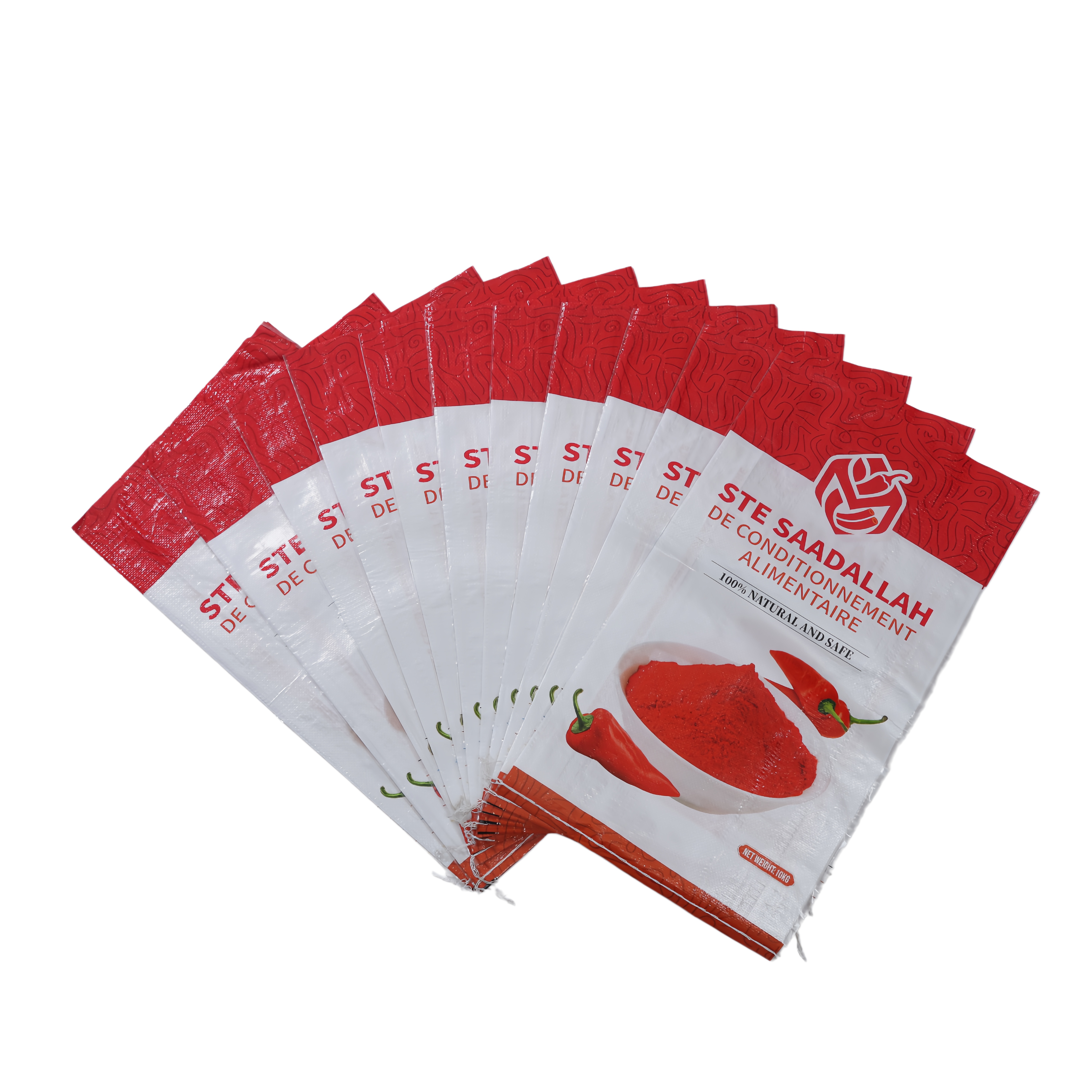
Selecting the right film thickness for laminated bags represents one of the most critical decisions in flexible packaging design. The thickness of the films used directly impacts protection level, production costs, material waste, and overall product performance. Understanding these trade-offs helps manufacturers and brand owners make informed choices that balance functionality with economic viability. This guide explores how film thickness affects various aspects of laminated bag performance and helps you navigate the complex decisions involved in optimizing your packaging specifications.
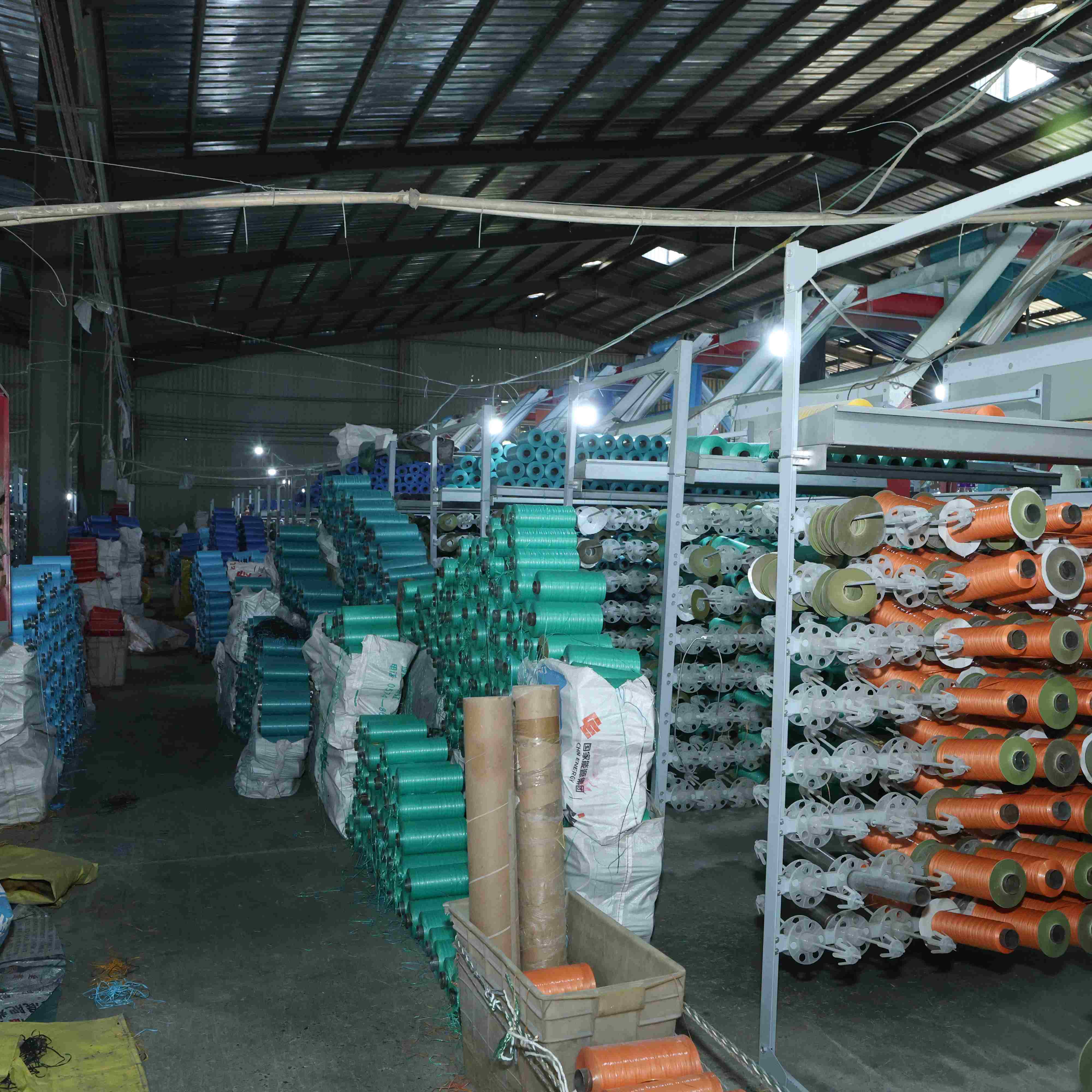
The relationship between film thickness and packaging performance is not linear. Thicker films generally provide superior barrier protection and mechanical strength, but they consume more raw material, increase production complexity, and raise costs. Conversely, thinner films reduce material consumption and lower expenses, yet they may compromise product protection and shelf life. The optimal thickness depends entirely on your product requirements, intended shelf conditions, transport environment, and market positioning. Manufacturers working with laminated pp bag specifications must evaluate these competing demands carefully.
Film thickness directly influences how effectively laminated bags block moisture ingress and oxygen transmission. A 20-micron film typically provides baseline moisture protection suitable for dry goods packaging. However, products requiring extended shelf life in humid environments benefit from 40 to 60-micron laminated sack construction. Each additional micron of film adds incrementally to the barrier effectiveness, though the gain diminishes beyond certain thickness points. For moisture proof bag applications in food, pharmaceuticals, and chemical sectors, understanding cumulative barrier performance across all film layers is essential.
Thicker coated packaging bag films resist puncture, tearing, and bursting better than thinner alternatives. A laminated pp bag with 30-micron films can endure normal handling and transport without degradation, while 15-micron films may tear during aggressive material transfer or rough handling scenarios. Products with sharp edges, crystalline particles, or significant weight place higher demands on film strength. The relationship between thickness and tear resistance is not purely proportional; material composition, layer structure, and adhesion quality also play crucial roles in determining ultimate package integrity.
Increasing film thickness directly raises raw material consumption per unit produced. A shift from 25-micron to 40-micron films on a standard laminated sack increases material usage by 60 percent. Over high-volume production runs, this difference translates to significant cost increases, supply chain demands, and storage requirements. Additionally, production scrap rates, edge trim waste, and quality rejections may become more pronounced with thicker films due to processing equipment limitations and adhesion challenges. Moisture proof bag manufacturers must balance the desire for superior protection against the economic reality of material efficiency and waste reduction.
Film thickness affects how laminating and converting equipment operates. Extremely thin films (under 15 microns) may cause handling difficulties, static buildup, and registration problems on high-speed lines. Conversely, very thick films (exceeding 75 microns) can strain extrusion capacity, slow line speed, and create heat dissipation challenges. Most laminated pp bag manufacturing lines operate optimally within the 20 to 60-micron range. Coated packaging bag processors must consider their installed equipment capabilities when specifying thickness, as mismatches can reduce throughput, increase defect rates, and ultimately negate apparent cost savings from material selection.
Environmental factors create different thickness demands across use scenarios. Products exposed to temperature extremes, such as frozen storage or hot warehouses, benefit from thicker films that maintain structural integrity across wider temperature ranges. Laminated bags used in outdoor storage or tropical climates experience UV degradation and thermal stress that thinner films handle poorly. A moisture proof bag designed for ambient conditions may fail prematurely if exposed to cold warehouses or high-heat transport scenarios. Conversely, products stored in controlled environments can function adequately with thinner films, reducing costs without sacrificing shelf-life protection.
Retail display conditions impose mechanical stresses that vary by product category and store layout. Stand-up laminated sack formats stacked multiple units high require thicker films to resist crushing and deformation. A laminated pp bag used for lightweight snacks might function well at 20 microns, while the same format carrying heavier products like flour or animal feed demands 40-micron or thicker construction. The compression forces from overhead product placement and multi-day display require adequate film rigidity to maintain package appeal and prevent product damage. Understanding the complete distribution chain, from production through retail placement, informs realistic thickness specifications.
Basic moisture protection in laminated bags typically begins at 15 to 20 microns, sufficient for dry goods with short shelf lives in controlled environments. However, extended shelf life, humid climates, or hygroscopic products require 30 to 50 microns or thicker laminated pp bag construction. The specific minimum depends on your product's moisture sensitivity, intended storage duration, and geographic market conditions. Consulting with material suppliers about your exact application ensures appropriate thickness selection.
Thicker films increase material consumption, raising the environmental footprint of each package produced. However, thicker films often reduce product spoilage during distribution, potentially offsetting material increases through reduced waste in the supply chain. Optimization involves finding the minimum thickness that prevents product loss while maintaining practical manufacturing efficiency. Many laminated sack producers now evaluate total lifecycle impact rather than focusing solely on packaging material weight.
Extremely thin films cannot reliably replace thicker options in high-stress applications without compromising performance. While advanced material science continues to improve barrier effectiveness at lower thicknesses, moisture proof bag applications for sensitive products still demand adequate film thickness for mechanical protection. The relationship between thin-film technology and real-world robustness remains bounded by physics; no material fully overcomes the structural advantages of greater thickness under heavy loads or harsh conditions.

Discover the 4 critical production metrics—throughput, defect rate, equipment uptime & on-time delivery—to vet factories confidently.

Ensure regulatory compliance & worker safety with proven methods for chemical woven bags—material selection, labeling, storage & training.

Discover the full PP woven bag manufacturing workflow—from extrusion & weaving to printing & QC. Boost efficiency, compliance & ROI. Download the process guide now.

Struggling with weak bags or high material waste? Master extrusion and tape drawing tech for stronger, cheaper PP woven bags. Optimize your production line now.

Struggling with defects or customer returns? Discover the 5 non-negotiable quality checkpoints across your woven bag production line
Which automation tier is right for your PP woven bag factory? Compare manual to Industry 4.0 systems for cost, quality, and scalability.
Get in touch for details on polypropylene woven bags and flexible packaging solutions.
Tel
Address
No.2015, Liaoyuan Building, Lanshan District, Linyi City, Shandong Province.China

