 EN
How to Assess Production Efficiency at a PP Woven Bag Factory
Discover the 4 critical production metrics—throughput, defect rate, equipment uptime & on-time delivery—to vet factories confidently.

2026/08/21
Selecting the right fabric for agricultural packaging bags is one of the most critical decisions in crop storage and distribution. The choice directly impacts product protection, shelf life, handling efficiency, and overall supply chain costs. Agricultural packaging bags must balance durability, moisture resistance, breathability, and cost-effectiveness to meet diverse farming and post-harvest requirements. Understanding the key selection criteria helps producers, distributors, and retailers make informed decisions that protect crop quality while optimizing operational expenses.
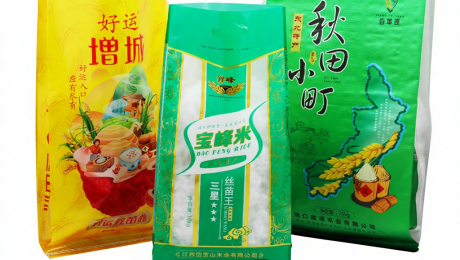
The agricultural industry relies on specialized packaging solutions to maintain product integrity from harvest through retail display. A well-chosen farm packaging bag prevents contamination, reduces waste, and enhances marketability. Whether you are packaging grains, seeds, vegetables, or processed agricultural products, the fabric selection process involves evaluating material composition, barrier properties, environmental conditions, and regulatory compliance. This comprehensive guide explores the essential criteria for choosing appropriate agricultural packaging bags for your specific application.
Polypropylene remains the industry standard for pp agricultural packaging due to its superior strength-to-weight ratio and cost efficiency. PP woven fabrics offer excellent tensile strength, making them ideal for handling heavy loads during storage and transport. The material resists tearing, puncturing, and stress cracking even in harsh warehouse conditions. A quality pp agricultural packaging solution provides tear resistance that prevents product spillage and maintains structural integrity throughout the supply chain, from farm collection to distribution centers.
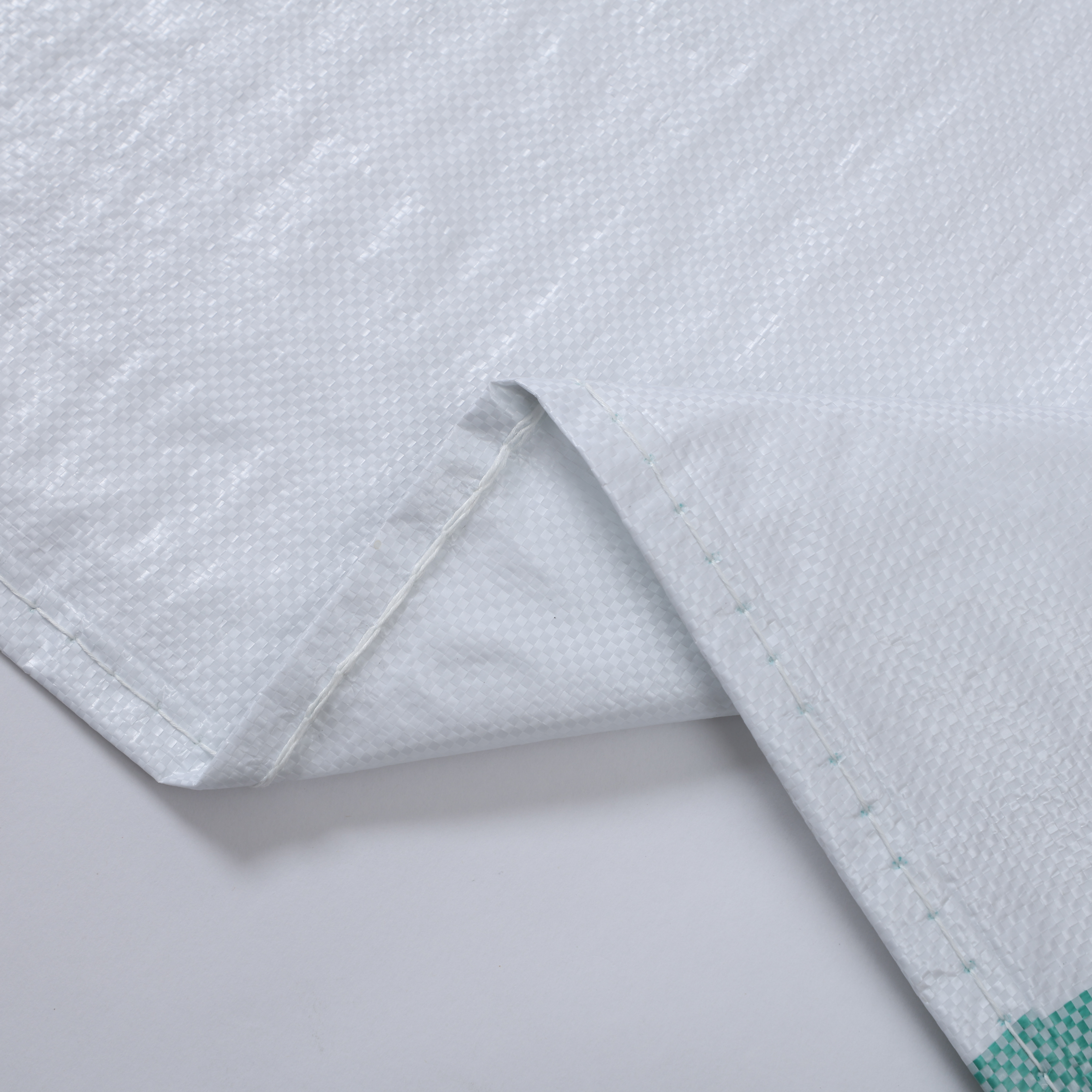
The fabric construction method significantly influences performance. Woven polypropylene bags typically feature a grid-like structure that distributes load pressure evenly across the surface. This design prevents concentrated stress points that could lead to failure. Higher thread density increases durability but also affects cost and weight. For agricultural applications requiring extended storage periods or rough handling, selecting bags with reinforced tape and proper lamination ensures long-term reliability and reduces product loss.
Agricultural products are frequently exposed to variable humidity levels, temperature fluctuations, and environmental contaminants. The crop packaging solution must incorporate moisture barriers that prevent water ingress while allowing minimal vapor exchange. Laminated fabrics with LDPE coating provide excellent moisture protection for sensitive crops requiring dry storage conditions. For produce storage bags used in ventilated warehouses or open field conditions, fabric permeability must be carefully balanced to prevent condensation accumulation that could promote mold growth.
Environmental factors like UV exposure, temperature extremes, and chemical exposure demand fabric selection that withstands these stressors. UV-stabilized polypropylene extends bag lifespan during outdoor storage or sun-exposed conditions. For produce storage bags destined for coastal regions or high-humidity environments, additives that resist microbial growth become essential specifications. Evaluating the intended storage environment—whether climate-controlled facilities or field conditions—shapes which fabric properties take priority in your selection decision.
Agricultural packaging bags must accommodate varying product weights while maintaining structural integrity during stacking and transport. A farm packaging bag designed for grain storage faces different load requirements than one for fresh produce or seeds. Calculate anticipated stacking heights, pallet configurations, and forklift handling patterns to determine required burst strength and seam integrity. The fabric's gram weight per square meter directly correlates with load capacity; heavier fabrics support greater weights but increase packaging costs and environmental impact.
Seam construction becomes critical for maintaining structural integrity under load. Double-stitched seams with reinforced corners significantly improve tear resistance at stress points where failure typically occurs. For agricultural packaging bags carrying loads exceeding fifty kilograms, reinforced gussets and side seams are essential design features. The relationship between fabric thickness, seam quality, and overall bag geometry determines whether your produce storage bag will maintain integrity through multiple handling cycles or fail during transit.
Food safety regulations increasingly mandate specific material standards for agricultural packaging bags intended for human consumption. The fabric must comply with FDA food contact regulations, EU packaging directives, and regional agricultural standards specific to your target markets. Non-toxic inks and adhesives used in bag printing become mandatory specifications when packaging edible products. Verification of material certifications and third-party testing reports ensures your chosen pp agricultural packaging meets all regulatory requirements without risking product rejection or legal liability.
Safety specifications also extend to worker protection during filling and handling operations. Bag edges must not create sharp points that could injure personnel. Dust generation during filling operations should be minimal to protect worker health. For products containing agricultural chemicals or processed materials requiring specialized handling, fabric selection must accommodate any special handling requirements specified by regulatory bodies or industry associations governing your specific crop type.
The cost per unit of agricultural packaging bags represents a significant portion of post-harvest expenses. However, selecting the lowest-cost option frequently results in higher failure rates and product losses that exceed any packaging savings. Effective cost optimization involves calculating the total cost of ownership including product loss, handling damage, storage duration, and disposal expenses. A slightly more expensive crop packaging solution that reduces spillage and extends product shelf life often delivers superior ROI compared to budget alternatives that fail prematurely.
Volume purchasing, long-term supplier partnerships, and standardized specifications can reduce per-unit costs while maintaining quality standards. Evaluating whether your agricultural packaging bags require virgin material or recycled content impacts both cost and environmental considerations. Custom printing and specialized features like lamination or adhesive closures add cost but may be essential for brand differentiation and product protection. Strategic procurement involves balancing these competing factors to achieve optimal value without compromising the protection your crops require.
Modern produce storage bag selection increasingly incorporates environmental and sustainability criteria. Recyclable polypropylene materials align with circular economy principles and appeal to environmentally conscious retailers and consumers. Biodegradable alternatives are emerging, though their cost and performance characteristics remain less favorable than conventional pp agricultural packaging for most applications. Transparent communication about material sourcing, production methods, and end-of-life recycling options strengthens your brand reputation and market positioning.
Supply chain transparency and carbon footprint reduction are becoming competitive advantages in agricultural marketing. agricultural packaging bags produced from sustainable sources or incorporating recycled content appeal to premium market segments. Evaluating your supplier's environmental practices, energy efficiency, and waste reduction efforts ensures your product packaging aligns with corporate sustainability commitments and evolving consumer preferences in agricultural markets.
For grain storage, prioritize moisture barrier properties, burst strength for stacking stability, and breathability to prevent condensation. A farm packaging bag designed for grains should incorporate laminated coating to prevent moisture ingress while allowing minimal vapor permeability. Seam strength and reinforced gussets become essential to support the weight of densely packed grains during warehouse stacking and transport operations.
Calculate the crop packaging solution thickness based on anticipated load weight, stacking height, handling frequency, and storage duration. Products stored for extended periods under variable humidity conditions typically require heavier fabric than short-term transport applications. Consultation with your packaging supplier about specific product characteristics and intended use conditions helps identify the optimal balance between durability and cost-effectiveness for your particular crop packaging needs.
Recycled materials can be suitable for produce storage bags if they meet food safety certifications and regulatory requirements for your target market. However, virgin pp agricultural packaging typically offers superior quality control, consistent performance, and guaranteed compliance with food contact standards. If sustainability is a priority, consider sourcing bags made from virgin material with recyclable post-use programs rather than relying on recycled content that may introduce contamination risks in food applications.

Discover the 4 critical production metrics—throughput, defect rate, equipment uptime & on-time delivery—to vet factories confidently.

Ensure regulatory compliance & worker safety with proven methods for chemical woven bags—material selection, labeling, storage & training.

Discover the full PP woven bag manufacturing workflow—from extrusion & weaving to printing & QC. Boost efficiency, compliance & ROI. Download the process guide now.

Struggling with weak bags or high material waste? Master extrusion and tape drawing tech for stronger, cheaper PP woven bags. Optimize your production line now.

Struggling with defects or customer returns? Discover the 5 non-negotiable quality checkpoints across your woven bag production line
Which automation tier is right for your PP woven bag factory? Compare manual to Industry 4.0 systems for cost, quality, and scalability.
Get in touch for details on polypropylene woven bags and flexible packaging solutions.
Tel
Address
No.2015, Liaoyuan Building, Lanshan District, Linyi City, Shandong Province.China

