 EN
How to Assess Production Efficiency at a PP Woven Bag Factory
Discover the 4 critical production metrics—throughput, defect rate, equipment uptime & on-time delivery—to vet factories confidently.

2026/08/25
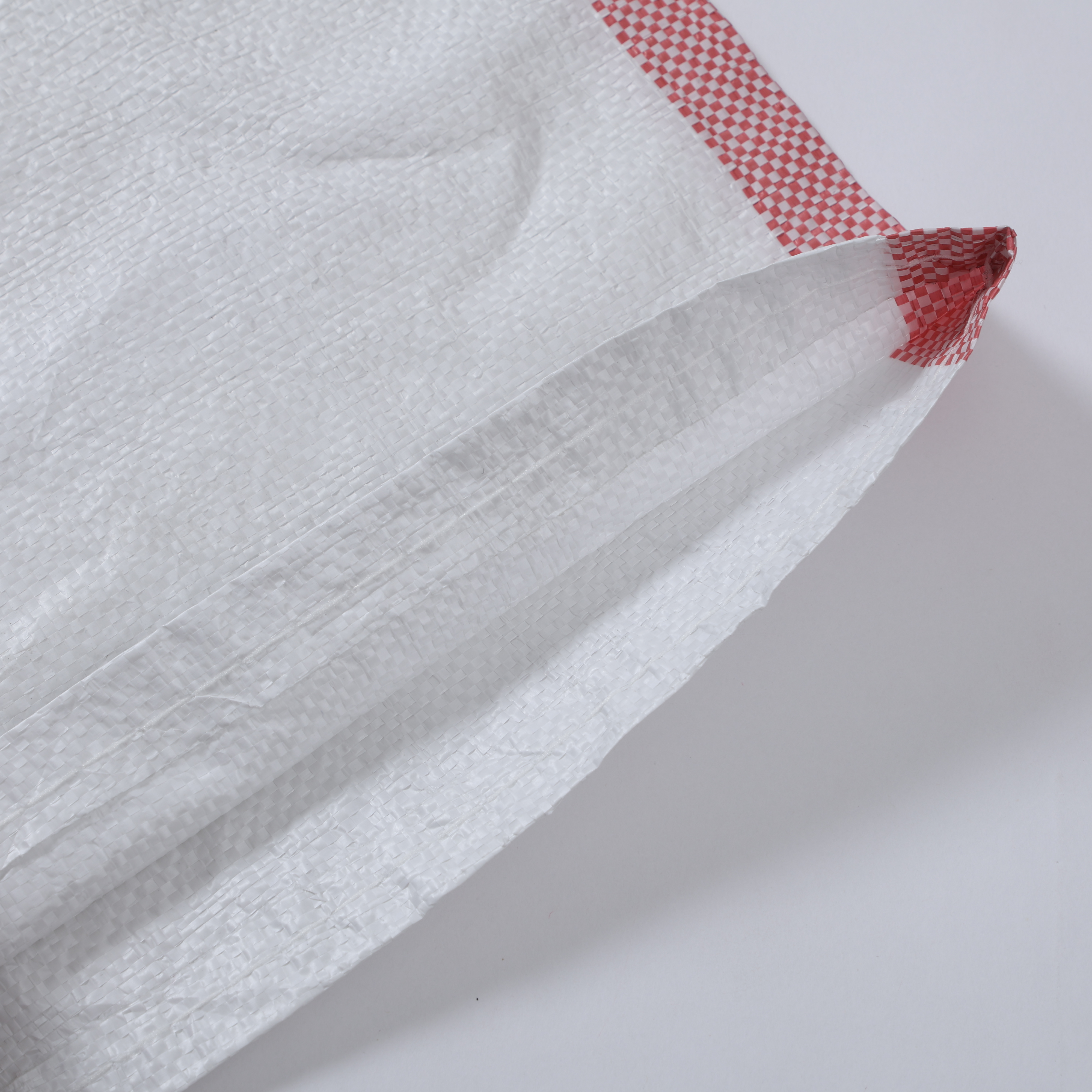
Ventilation imbalance in agricultural packaging remains one of the most overlooked challenges facing fresh produce distributors and growers worldwide. When agricultural packaging bags fail to maintain proper air circulation, the consequences extend far beyond simple spoilage—they trigger cascading quality degradation that erodes profit margins across the entire supply chain. The root cause often lies not in the produce itself, but in how farm packaging bag solutions are designed, selected, and deployed throughout storage and transport operations.
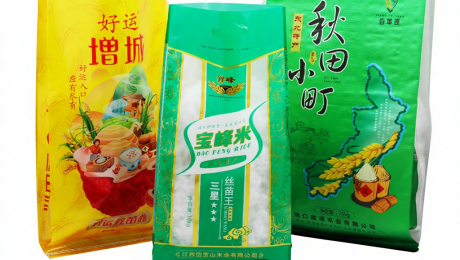
Understanding ventilation dynamics within agricultural packaging bags requires examining how moisture, ethylene gas, and temperature fluctuations interact during storage. Fresh produce continues to respire after harvest, consuming oxygen and releasing carbon dioxide, moisture vapor, and ethylene gas. A crop packaging solution that restricts airflow creates an anaerobic microenvironment where harmful bacteria proliferate, accelerating decay. Conversely, excessive ventilation invites dehydration and accelerates metabolic loss. The challenge is identifying the precise balance point for your specific produce type and storage duration.
Ventilation problems manifest through observable degradation patterns that every produce handler should recognize. Condensation pooling on internal bag surfaces signals moisture entrapment, typically caused by pp agricultural packaging that blocks adequate moisture vapor transmission. Localized soft spots, color inconsistency, and accelerated ripening concentrated near bag seams indicate trapped ethylene accumulation. Uneven spoilage across stored batches suggests that certain portions of the produce storage bag stack receive inadequate air exchange while others experience excessive exposure.
Quantifying ventilation problems requires monitoring humidity levels, gas composition, and temperature gradients within packaged produce. Modern produce storage bag systems employ humidity sensors and CO2 meters to track internal conditions. When relative humidity exceeds 95 percent consistently and carbon dioxide levels climb above 5 percent, ventilation imbalance is confirmed. Farm packaging bag selection directly influences these metrics. Testing different pp agricultural packaging materials and perforation patterns reveals which configurations maintain optimal gas exchange for your specific produce and storage timeline.
PP agricultural packaging offers superior moisture transmission compared to traditional plastic alternatives, making it the preferred choice for ventilation-sensitive applications. The polypropylene matrix permits selective gas diffusion while blocking large pathogenic particles and insects. Woven bag construction creates micro-channel networks that facilitate consistent air movement without generating pressure differentials that cause produce bruising. Different weave densities deliver varying breathability profiles. Looser weaves maximize ventilation but increase moisture loss risk. Tighter weaves provide better structural integrity and moisture retention but require engineered ventilation holes to prevent imbalance.
Strategic perforation patterns transform ordinary crop packaging solutions into sophisticated climate-management tools. Micro-perforations distributed across bag sidewalls and floor regions create balanced pressure zones that encourage natural convection. The perforation size, spacing, and location directly determine oxygen availability within the produce storage bag environment. A well-engineered farm packaging bag features larger perforations near the base, where moisture accumulates, and smaller perforations toward the top, where ethylene gas concentrates. This gradient ventilation approach ensures targeted gas exchange rather than uniform airflow that fails to address localized imbalance problems.
How agricultural packaging bags are stacked directly determines ventilation effectiveness across entire pallets. Stacking patterns that crush lower bags compromise perforation integrity and create dead zones where air cannot circulate. Implementing spacer supports between layers maintains consistent gap distances that permit lateral air movement across the pallet face. The produce storage bag placement on pallets matters significantly—bags positioned against exterior walls experience temperature and humidity fluctuations that create migration pressure toward internal stacks. Rotating pallets and reordering stack positions during storage extends the ventilation window and prevents prolonged imbalance in static positions.
Advanced crop packaging solutions now integrate environmental feedback systems that enable real-time ventilation adjustments. Humidity sensors placed inside representative produce storage bags trigger recommendations for ventilation modification—increasing air circulation velocity when condensation appears, or reducing air exchange when moisture loss exceeds acceptable thresholds. Regular monitoring of temperature gradients identifies problem zones where ventilation imbalance develops. Facilities employing dynamic adjustment protocols report produce loss reduction of 15 to 25 percent compared to static storage configurations. Farm packaging bag selection becomes more effective when paired with active environmental management rather than relying solely on passive material properties.
PP agricultural packaging materials feature engineered breathability that permits moisture vapor to transmit through the bag matrix rather than accumulating on internal surfaces. The polypropylene structure creates tortuous diffusion pathways that slow water vapor movement enough to prevent explosive condensation while maintaining adequate transmission rates. Combined with proper ventilation design in crop packaging solutions, this moisture transmission capability prevents the condensation pools that trigger fungal growth and spoilage.
High-respiration produce including berries, stone fruits, leafy greens, and root vegetables require the most careful ventilation management in produce storage bag systems. These crops generate ethylene rapidly and consume oxygen quickly, making ventilation imbalance especially problematic. Lower-respiration produce like potatoes and apples tolerate slightly less sophisticated farm packaging bag ventilation, though optimization still improves quality retention and storage duration significantly.
Retrofitting existing facilities involves switching to optimized agricultural packaging bags with engineered perforation patterns and modified stacking practices—both non-structural changes that require no facility modifications. Environmental monitoring systems can be installed without disrupting current operations. Most facilities successfully implement crop packaging solutions improvements within one storage cycle, making ventilation optimization one of the fastest and most cost-effective produce quality upgrades available.

Discover the 4 critical production metrics—throughput, defect rate, equipment uptime & on-time delivery—to vet factories confidently.

Ensure regulatory compliance & worker safety with proven methods for chemical woven bags—material selection, labeling, storage & training.

Discover the full PP woven bag manufacturing workflow—from extrusion & weaving to printing & QC. Boost efficiency, compliance & ROI. Download the process guide now.

Struggling with weak bags or high material waste? Master extrusion and tape drawing tech for stronger, cheaper PP woven bags. Optimize your production line now.

Struggling with defects or customer returns? Discover the 5 non-negotiable quality checkpoints across your woven bag production line
Which automation tier is right for your PP woven bag factory? Compare manual to Industry 4.0 systems for cost, quality, and scalability.
Get in touch for details on polypropylene woven bags and flexible packaging solutions.
Tel
Address
No.2015, Liaoyuan Building, Lanshan District, Linyi City, Shandong Province.China

