 EN
How to Assess Production Efficiency at a PP Woven Bag Factory
Discover the 4 critical production metrics—throughput, defect rate, equipment uptime & on-time delivery—to vet factories confidently.

2026/08/17
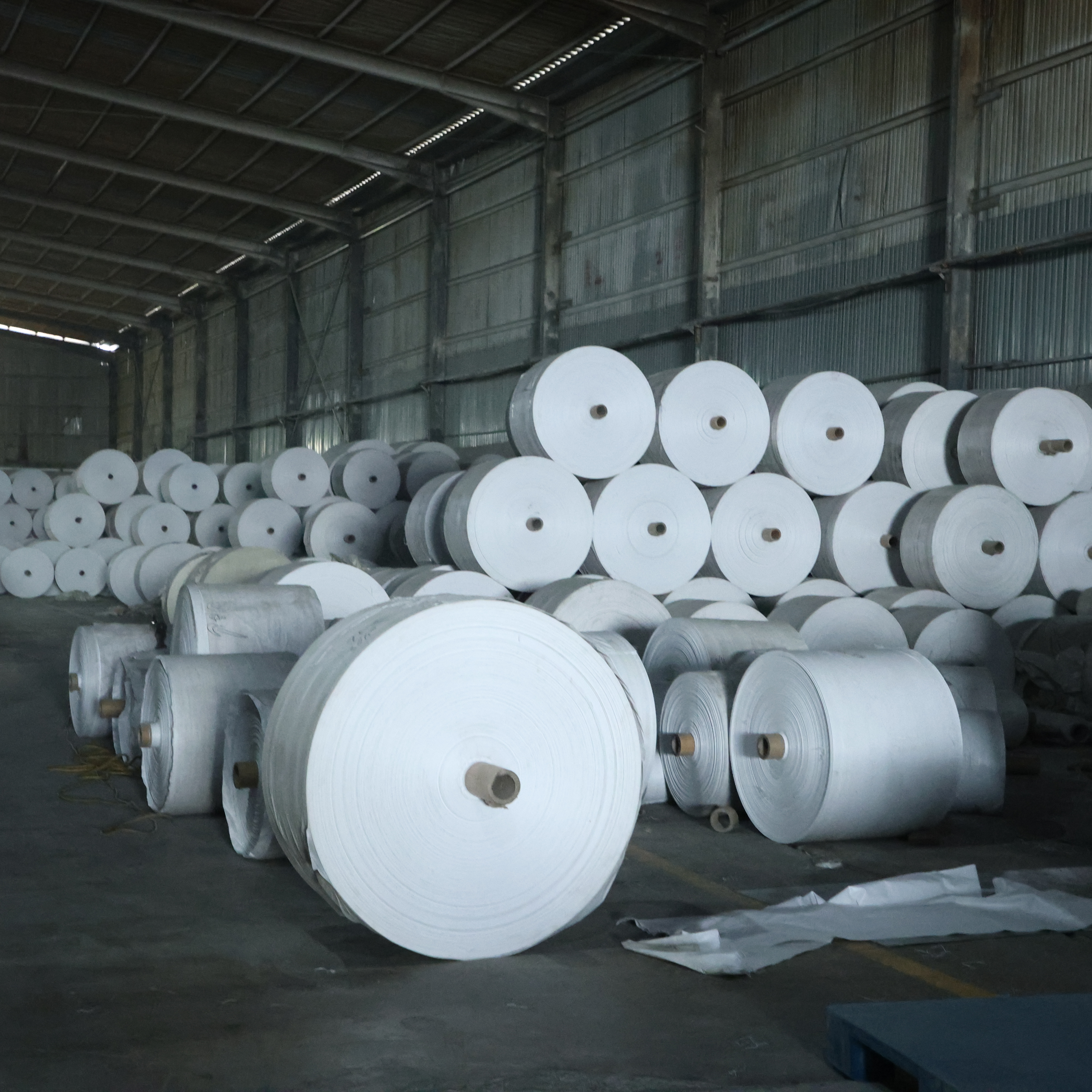
Choosing between a small workshop and a large-scale PP woven bag manufacturer is one of the most critical decisions you'll make when sourcing bulk orders. Each option offers distinct advantages and tradeoffs that directly impact your supply chain, costs, quality standards, and business flexibility. Understanding these differences helps you make an informed choice aligned with your specific operational needs and market demands.
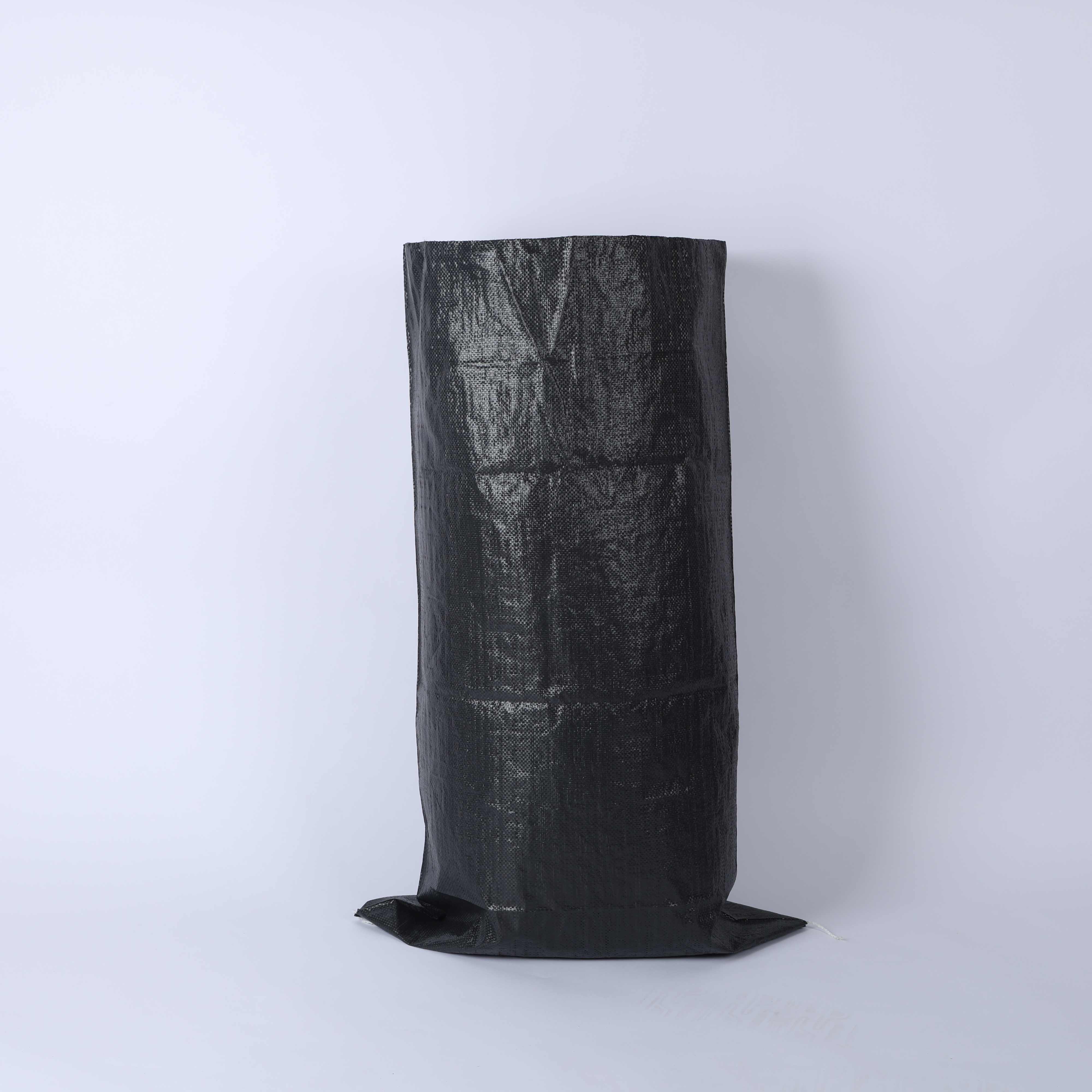
A woven bag factory operates on fundamentally different principles depending on scale and production capacity. Small workshops typically employ traditional methods with lower overhead, faster decision-making, and personalized service. Large-scale manufacturers leverage advanced automation, strict quality protocols, and economies of scale. Both serve the woven bag supplier ecosystem, but the value they deliver varies significantly based on order volume, customization requirements, delivery timelines, and pricing expectations.
Small workshops typically operate with limited machinery and smaller teams, making them ideal for smaller bulk orders or highly specialized requests. Their pp bag production capacity ranges from a few thousand to tens of thousands of units monthly, which suits businesses that need consistent but moderate volume supplies. These operations excel at custom pp woven bag requests because workers can adjust processes quickly without navigating multiple approval layers or complex production schedules.
The flexibility of small workshops makes them excellent for testing new designs or market entry strategies. When you need a woven bag supplier willing to run shorter production batches or accommodate last-minute design changes, small operations respond quickly. However, this flexibility comes with higher per-unit costs due to lower production efficiency and economies of scale limitations.
Large-scale manufacturers operate multiple production lines simultaneously, capable of producing hundreds of thousands or millions of units annually. Their pp bag production infrastructure includes automated weaving, printing, laminating, and packaging systems that dramatically reduce labor costs per unit. A woven bag factory of this size thrives on consistent high-volume orders where efficiency matters more than rapid customization.
These manufacturers invest heavily in infrastructure, technology, and quality management systems. Their scale allows them to negotiate better material pricing with suppliers, which translates to lower costs for bulk buyers. However, they typically have minimum order quantities that exceed the needs of smaller businesses, and their production schedules may not accommodate urgent or highly experimental requests as readily as smaller operations.
Small workshop operations often maintain quality through direct oversight and hands-on craftsmanship. The production team works closely together, making adjustments in real-time based on visible results. This approach yields excellent quality for specialized orders but lacks the standardized documentation and traceability systems that large manufacturers employ. When consistency across massive production runs matters, standardized quality control protocols become essential.
Large-scale woven bag factories implement ISO certifications, statistical process control, automated inspection systems, and detailed traceability records. Every batch receives rigorous testing against documented specifications. Custom pp woven bag orders from large manufacturers follow strict quality gates, ensuring that your products meet exact standards batch after batch. This systematic approach reduces defect rates and provides documented proof of compliance for regulatory or customer requirements.
Custom pp woven bag requests at small workshops typically move faster through design approval to production. The owner or lead designer can make decisions immediately, and the small team implements changes without coordinating multiple departments. Lead times often range from two to four weeks for customized designs, making these operations suitable for businesses that value agility over lowest cost.
Large woven bag factories handle customization through formalized engineering departments, sample approval workflows, and production scheduling systems. These processes ensure consistency but require longer lead times, typically four to eight weeks or more for fully custom designs. However, once a design is approved, the massive production capacity means your custom pp woven bag orders reach volume quickly and at significantly lower per-unit costs than small workshop production.
Small workshop pricing reflects their production model: higher per-unit costs offset by lower minimum order quantities and faster response times. A woven bag supplier operating at workshop scale might accept orders for 5,000 to 10,000 units, whereas large factories require minimums of 50,000 or more. This accessibility makes small workshops attractive for new product launches, seasonal items, or businesses testing market demand without massive upfront investment.
However, the cost per unit remains higher due to limited automation and fewer efficiency gains. When scaling up to larger volumes, the per-unit cost advantage shifts dramatically to large-scale manufacturers. Businesses should calculate their true cost of goods at their actual order volumes rather than comparing quoted per-unit prices without considering minimum quantities.
Large-scale pp bag production benefits from economies of scale that small operations cannot match. Material costs decrease with bulk purchasing, labor costs per unit drop with automated systems, and machinery utilization spreads fixed costs across millions of units. A woven bag factory operating at scale can offer 30 to 50 percent lower per-unit pricing for orders exceeding 100,000 units compared to small workshop quotes.
Volume-based pricing tiers reward bulk commitment. Most large manufacturers offer incremental discounts as order quantities increase, incentivizing larger purchases. For businesses with predictable, high-volume demand, partnering with a large woven bag supplier provides substantial cost savings. This pricing model requires advance planning and accurate demand forecasting but delivers superior value for established products.
Select a small pp bag production workshop when your order volume falls below 20,000 units, you need rapid customization capabilities, or your product requires specialized attention. Startups launching new woven bag designs benefit from workshop flexibility and shorter design iteration cycles. Businesses requiring unique custom pp woven bag specifications, such as unusual dimensions or experimental printing techniques, find small workshops more accommodating than large factories bound by standardized processes.
Additionally, small workshops work well for seasonal or promotional items where market timing matters more than absolute unit cost. Their woven bag supplier model emphasizes partnership and personalized service, making them ideal when you value direct communication with decision-makers and need proactive problem-solving during production runs.
Opt for large-scale manufacturers when your orders consistently exceed 50,000 units, cost per unit is your primary concern, or you need documented compliance and quality assurance. Established brands with proven product-market fit benefit dramatically from large woven bag factory capabilities. Their pp bag production infrastructure delivers consistent quality, lower unit costs, and reliable delivery schedules that support predictable supply chain operations.
Large manufacturers also excel when you require long-term capacity stability, international certifications, or complex printing and finishing options. Their technological capabilities support advanced customization within their established workflow, and their documented quality systems provide the assurance needed for regulated industries or major retail partnerships.
Small workshops usually accept orders starting at 5,000 to 10,000 units, significantly lower than large-scale operations. This flexibility allows businesses to test products, launch seasonal items, or maintain smaller inventory levels without overcommitting capital to excess stock.
Small workshops deliver quality through hands-on oversight and craftsmanship but lack formal documentation systems. Large woven bag factories employ ISO certifications, automated inspection, and traceability protocols, ensuring consistent batch-to-batch quality and regulatory compliance across massive production volumes.
Large manufacturers handle customization through formalized engineering processes, which ensures consistency but requires longer lead times, typically four to eight weeks. Small workshops respond faster to custom requests but may charge premium prices. Your choice depends on whether speed or cost takes priority for your custom pp woven bag requirements.

Discover the 4 critical production metrics—throughput, defect rate, equipment uptime & on-time delivery—to vet factories confidently.

Ensure regulatory compliance & worker safety with proven methods for chemical woven bags—material selection, labeling, storage & training.

Discover the full PP woven bag manufacturing workflow—from extrusion & weaving to printing & QC. Boost efficiency, compliance & ROI. Download the process guide now.

Struggling with weak bags or high material waste? Master extrusion and tape drawing tech for stronger, cheaper PP woven bags. Optimize your production line now.

Struggling with defects or customer returns? Discover the 5 non-negotiable quality checkpoints across your woven bag production line
Which automation tier is right for your PP woven bag factory? Compare manual to Industry 4.0 systems for cost, quality, and scalability.
Get in touch for details on polypropylene woven bags and flexible packaging solutions.
Tel
Address
No.2015, Liaoyuan Building, Lanshan District, Linyi City, Shandong Province.China

