 EN
How to Assess Production Efficiency at a PP Woven Bag Factory
Discover the 4 critical production metrics—throughput, defect rate, equipment uptime & on-time delivery—to vet factories confidently.

2026/08/18
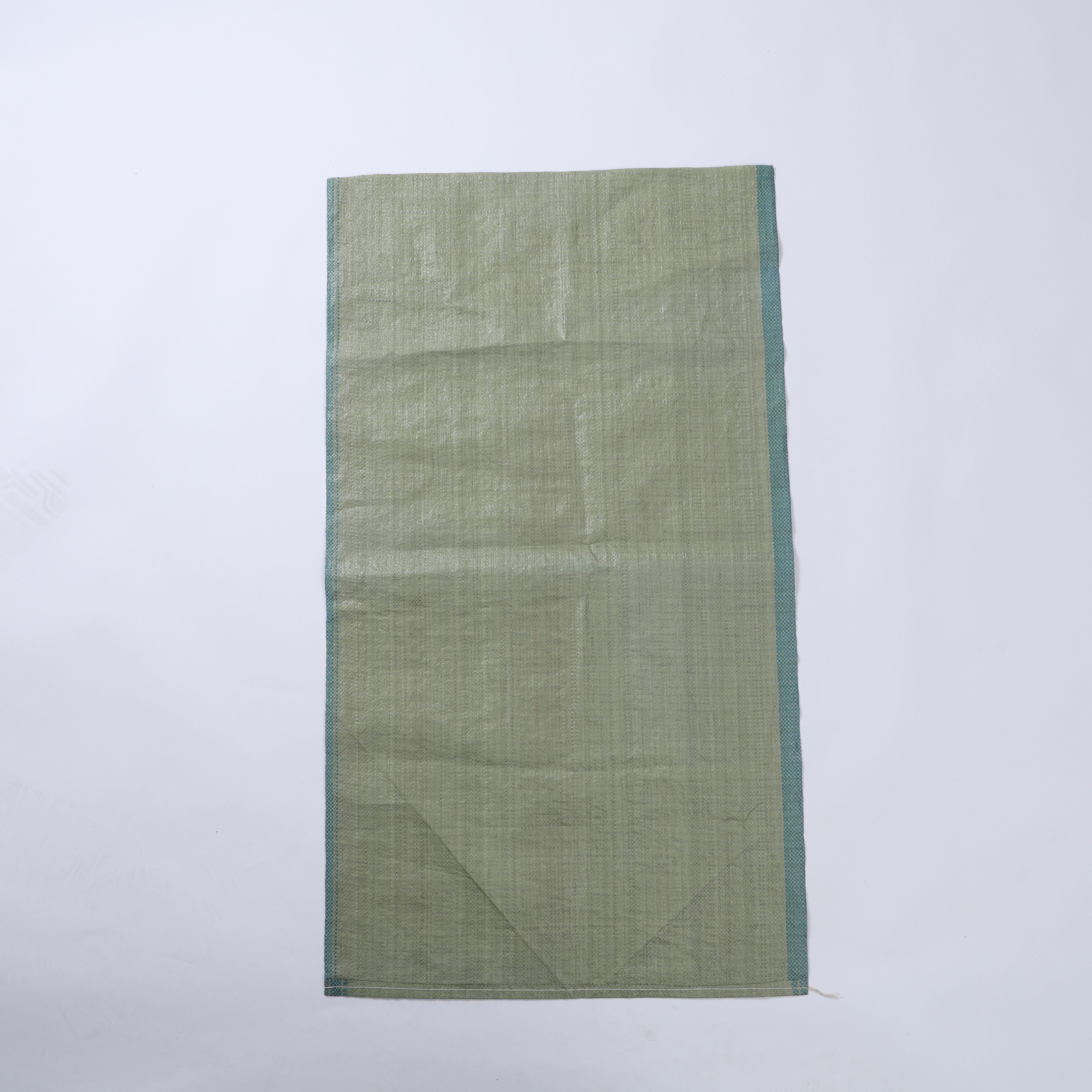
Selecting the right storage and transport solution is critical for modern farming operations. When managing seasonal harvests, growers face a fundamental decision about which type of containers will best serve their operational needs, budget constraints, and environmental commitments. Agricultural bags come in two primary categories: reusable systems designed for multiple seasons and disposable options meant for single-use applications. Understanding the distinct advantages and limitations of each approach enables farm managers to make informed decisions that align with their operational priorities.
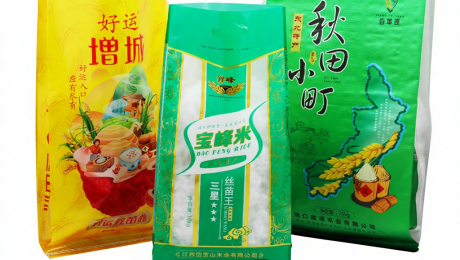
Agricultural packaging represents one of the largest recurring expenses in crop production and distribution. The choice between reusable containers and single-use farm produce bags affects not only immediate cash flow but also long-term operational efficiency, supply chain resilience, and corporate sustainability reporting. Both options deliver value in specific contexts, and many successful farming operations employ a hybrid strategy that leverages the strengths of each approach depending on seasonal demands and market conditions.
Reusable agricultural packaging requires significant upfront capital investment. Farmers must purchase durable containers constructed from reinforced polypropylene, high-density polyethylene, or injection-molded plastic designed to withstand repeated washing cycles, stacking loads, and seasonal temperature fluctuations. A pp agricultural sack built for reuse typically costs three to five times more per unit than a comparable disposable option. However, when these containers function reliably across eight to fifteen seasons, the per-use cost diminishes substantially. For operations managing consistent volumes across multiple harvest cycles, reusable systems often deliver lower total cost of ownership after the initial three to four years of operation.
Reusable containers demand dedicated logistical infrastructure to support their return cycles. Farms must establish cleaning protocols, storage facilities for off-season inventory, repair procedures for damaged units, and tracking systems to monitor container location throughout distribution networks. This operational complexity requires additional labor and management attention but can streamline workflow consistency. When suppliers and distributors participate in standardized container-return agreements, the entire supply chain benefits from reduced waste and improved inventory predictability. Crop storage bags designed for repeated use integrate seamlessly into permanent storage facilities and equipment handling systems.
Disposable farm produce bags offer unmatched flexibility for operations experiencing variable or unpredictable harvest volumes. When seasonal conditions produce unexpectedly large yields, growers can procure additional containers without waiting for manufacturing lead times or managing long-term inventory commitments. Single-use packaging eliminates concerns about container availability during peak harvest periods when reusable systems might be tied up in transit or cleaning cycles. This operational agility proves particularly valuable for operations with diverse crop portfolios, regional growing operations, or farms responding to market-driven purchasing decisions that fluctuate week to week.
Disposable containers eliminate cross-contamination risks inherent to reusable systems where multiple crop types, growing regions, or even pesticide residues may accumulate in container materials despite thorough washing. For premium crop varieties destined for direct-to-consumer markets or certified organic channels, single-use agricultural packaging provides absolute assurance of product purity and traceability. High-value crops, specialty varieties, and produce marketed under strict organic or food-safety certifications often justify the higher per-unit cost of disposable containers as an essential quality control investment. Farm produce bags designed for single use reduce liability exposure related to product contamination or crop-to-crop disease transmission.
Sophisticated farm operations frequently deploy hybrid models that employ reusable crop storage bags for core commodity handling during peak seasons while reserving disposable packaging for specialty crops, premium market channels, or overflow capacity scenarios. This strategic approach captures cost advantages of reusable pp agricultural sack systems for high-volume standard operations while maintaining the flexibility and sanitation benefits of disposable containers for specialized applications. Farms can establish trigger thresholds where reusable inventory reaches capacity, then activate disposable sourcing to prevent operational bottlenecks. This pragmatic integration often delivers the lowest total cost while maximizing market responsiveness and quality assurance.
Consumer-facing and direct-to-consumer agricultural operations leverage premium agricultural packaging decisions as brand differentiation opportunities. Reusable container programs communicate commitment to environmental stewardship and operational sophistication, attracting sustainability-conscious wholesale buyers and premium market channels. Conversely, disposable agricultural bags with custom branding, sustainable material options, and modern aesthetic design convey food-safety confidence and contemporary supply chain management. Farm produce bag selection becomes part of broader market positioning strategy, influencing buyer perception, wholesale pricing authority, and retail shelf positioning. The choice extends beyond logistics into marketing and brand narrative territory.
Reusable agricultural packaging becomes economically justified when farms maintain consistent high-volume operations across multiple seasons, possess dedicated cleaning and storage infrastructure, operate within established container-return logistics networks, and experience harvest volumes stable enough to fully utilize container inventory year after year. Operations with small annual volumes, sporadic planting schedules, or limited storage facilities often find disposable farm produce bag costs lower than the combined expenses of reusable container investment, maintenance, and logistics management. Calculate true cost per use by dividing total container investment plus annual cleaning, repair, and storage expenses by the expected number of uses across the container lifespan.
Yes, disposable options for agricultural packaging satisfy food safety, organic certification, and specialized market access requirements without the cross-contamination risks inherent to reusable systems. Single-use pp agricultural sack containers and farm produce bags eliminate concerns about residual pesticides, mold spores, or pathogenic organisms from previous crop cycles or growing regions. Many certified organic operations and premium market channels specifically prefer or require disposable packaging to ensure absolute traceability and contamination prevention. Verify that your chosen disposable supplier meets relevant food-contact material certifications, safety standards, and labeling requirements for your target market channels.
Reusable agricultural bags reduce total lifecycle environmental impact when containers remain in service for extended periods and operate within efficient logistics networks that minimize transportation and cleaning resource consumption. However, disposable farm produce bags made from recycled polypropylene or compostable materials may deliver superior environmental performance in regions with established recycling infrastructure or composting facilities. The most sustainable approach often involves hybrid models where reusable crop storage bags handle high-volume core operations while carefully selected disposable options serve overflow and specialty applications. Evaluate both production resource requirements and end-of-life disposal pathways when assessing true environmental impact of your agricultural packaging choices.

Discover the 4 critical production metrics—throughput, defect rate, equipment uptime & on-time delivery—to vet factories confidently.

Ensure regulatory compliance & worker safety with proven methods for chemical woven bags—material selection, labeling, storage & training.

Discover the full PP woven bag manufacturing workflow—from extrusion & weaving to printing & QC. Boost efficiency, compliance & ROI. Download the process guide now.

Struggling with weak bags or high material waste? Master extrusion and tape drawing tech for stronger, cheaper PP woven bags. Optimize your production line now.

Struggling with defects or customer returns? Discover the 5 non-negotiable quality checkpoints across your woven bag production line
Which automation tier is right for your PP woven bag factory? Compare manual to Industry 4.0 systems for cost, quality, and scalability.
Get in touch for details on polypropylene woven bags and flexible packaging solutions.
Tel
Address
No.2015, Liaoyuan Building, Lanshan District, Linyi City, Shandong Province.China

