 EN
How to Assess Production Efficiency at a PP Woven Bag Factory
Discover the 4 critical production metrics—throughput, defect rate, equipment uptime & on-time delivery—to vet factories confidently.

2026/08/26

Produce damage during agricultural bag loading represents one of the most significant operational challenges in modern farming and supply chain management. Whether you're handling grains, vegetables, or other crops, the loading process places immense stress on your products, and inadequate packaging or improper techniques can result in substantial losses. Understanding how to reduce produce damage during agricultural bag loading requires a strategic combination of quality materials, best practices, and attention to every stage of the process.
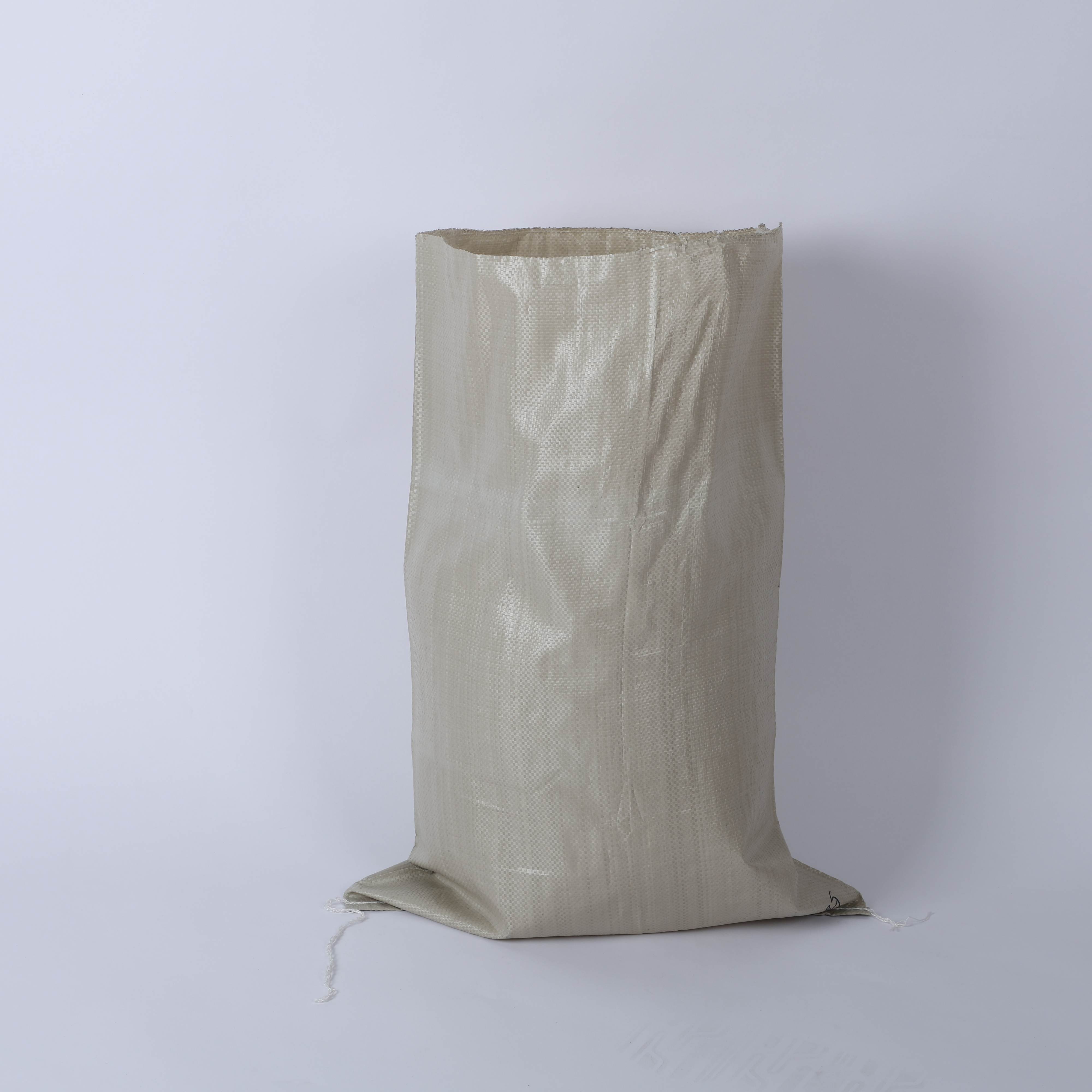
The foundation of damage prevention lies in selecting the right agricultural packaging bags that meet your specific crop requirements. A quality farm packaging bag must offer structural integrity, moisture resistance, and appropriate weight capacity. The choice of material directly influences how well your produce survives the rigors of loading, transportation, and storage. PP agricultural packaging has emerged as an industry standard because of its durability, cost-effectiveness, and reliable performance across diverse agricultural applications.
The material composition of your farm packaging bag directly determines its ability to withstand mechanical stress during loading operations. Polypropylene woven bags provide superior tensile strength compared to standard plastic alternatives, making them ideal for heavy produce loads. When selecting a crop packaging solution, examine the denier count and weave density of the material. Higher denier ratings indicate thicker, more durable fabric that resists punctures, tears, and abrasions during handling. Your produce storage bag should feature reinforced side seams and corner stitching to prevent splitting under load pressure.
Different crops require tailored pp agricultural packaging approaches based on their physical characteristics and handling sensitivities. Fragile produce such as fruits demands softer inner linings and cushioning materials, whereas grains and seeds benefit from breathable, moisture-resistant agricultural packaging bags. A specialized crop packaging solution accounts for weight distribution, moisture content, and stacking requirements. Vegetables with irregular shapes need flexible storage solutions, while uniform grains can be packed more densely. Consulting with your bag supplier ensures you receive farm packaging bag specifications precisely matched to your agricultural operation's needs.
The actual loading process significantly impacts produce damage prevention. Begin by ensuring your loading area is clean and free from sharp objects that could puncture agricultural packaging bags. Use mechanical loaders or conveyor systems instead of manual throwing whenever possible to minimize impact trauma. Operator training proves critical—personnel must understand how to position bags carefully and avoid dropping them from heights. When stacking produce storage bag units, limit heights according to the bag's weight capacity specification. Distribute weight evenly across the loading surface to prevent bag collapse or rupture from concentrated pressure points.
Modern farm packaging bag systems benefit from dedicated handling equipment designed to protect crops during loading. Pallet systems, specialized carts, and cushioned loading platforms reduce direct impact on agricultural packaging bags. Padding materials placed between stacked units prevent abrasion and friction damage. Consider investing in equipment that gently positions farm packaging bag units rather than dropping them forcefully onto transport vehicles. Temperature-controlled loading areas help preserve product integrity, particularly for temperature-sensitive crops requiring a crop packaging solution that maintains environmental stability.
Before loading begins, systematically inspect all agricultural packaging bags for manufacturing defects, pre-existing damage, or weak points that could fail under pressure. Check seams, stitching, and material thickness across the entire surface. Any pp agricultural packaging showing signs of wear, discoloration, or previous repairs should be set aside. This preventive inspection prevents cascade failures where a compromised produce storage bag creates problems during transportation. Maintain detailed quality records that track which batches of farm packaging bag units pass inspection and which require replacement or special handling considerations.
Environmental conditions significantly influence how well agricultural packaging bags perform during and after loading operations. Excessive moisture can weaken the structural properties of pp agricultural packaging materials, reducing their capacity to protect contents. Store your crop packaging solution in dry, temperature-controlled environments before use. During loading operations, protect bags from rain, excessive heat, or extreme cold that could compromise material flexibility or strength. Proper ventilation in storage areas prevents moisture accumulation and mold growth inside produce storage bag units. These environmental controls work synergistically with material quality to maximize damage prevention effectiveness.
The ideal weight capacity depends on your specific crop type and handling methods. Most farm packaging bag solutions range from 25 to 50 kilograms for vegetable and fruit operations, while grain-focused pp agricultural packaging often supports 40 to 60 kilograms. Always exceed your anticipated load by 20 to 30 percent as a safety margin. The crop packaging solution supplier provides weight specifications that should be strictly observed. Exceeding rated capacity significantly increases damage risk and potential bag failure during transport.
Replacement frequency depends on usage intensity and storage conditions. Farm packaging bag units used continuously through harvest season typically last 2 to 5 years with proper care and maintenance. Inspect produce storage bag stock quarterly for signs of deterioration, reduced tensile strength, or material brittleness. PP agricultural packaging that shows visible damage or compromised seams should be replaced immediately to prevent losses. Establishing a predictable replacement schedule prevents sudden supply disruptions and ensures consistent damage prevention throughout your operations.
Combining different produce types in single farm packaging bag units is generally not recommended because varying moisture levels, ripening rates, and physical characteristics create compatibility issues. Ethylene-producing fruits can accelerate ripening in sensitive vegetables stored in the same crop packaging solution, leading to spoilage. Moisture requirements differ significantly between produce types, making pp agricultural packaging selection difficult. Separate produce storage bag systems for each crop type ensures optimal preservation conditions and simplifies quality management throughout your supply chain.

Discover the 4 critical production metrics—throughput, defect rate, equipment uptime & on-time delivery—to vet factories confidently.

Ensure regulatory compliance & worker safety with proven methods for chemical woven bags—material selection, labeling, storage & training.

Discover the full PP woven bag manufacturing workflow—from extrusion & weaving to printing & QC. Boost efficiency, compliance & ROI. Download the process guide now.

Struggling with weak bags or high material waste? Master extrusion and tape drawing tech for stronger, cheaper PP woven bags. Optimize your production line now.

Struggling with defects or customer returns? Discover the 5 non-negotiable quality checkpoints across your woven bag production line
Which automation tier is right for your PP woven bag factory? Compare manual to Industry 4.0 systems for cost, quality, and scalability.
Get in touch for details on polypropylene woven bags and flexible packaging solutions.
Tel
Address
No.2015, Liaoyuan Building, Lanshan District, Linyi City, Shandong Province.China

