 EN
How to Assess Production Efficiency at a PP Woven Bag Factory
Discover the 4 critical production metrics—throughput, defect rate, equipment uptime & on-time delivery—to vet factories confidently.

2026/08/10
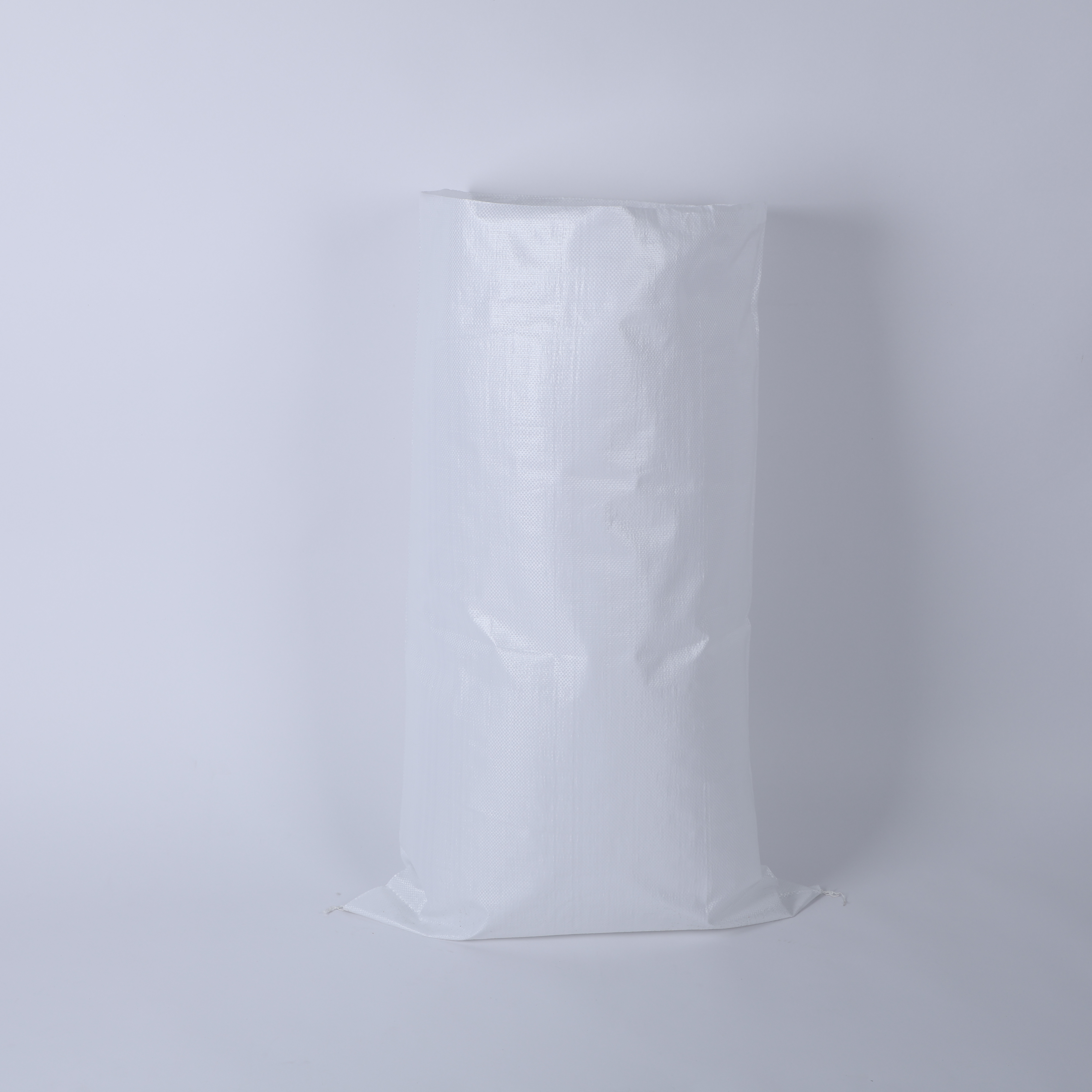
Seam failures represent one of the most common and costly problems in agricultural logistics, particularly when transporting bulk corn using standard packaging solutions. A single rupture in a corn bag can lead to significant product loss, contamination, and operational delays that compound throughout the supply chain. Understanding the root causes of these failures is essential for anyone involved in grain storage, distribution, or agricultural trade.
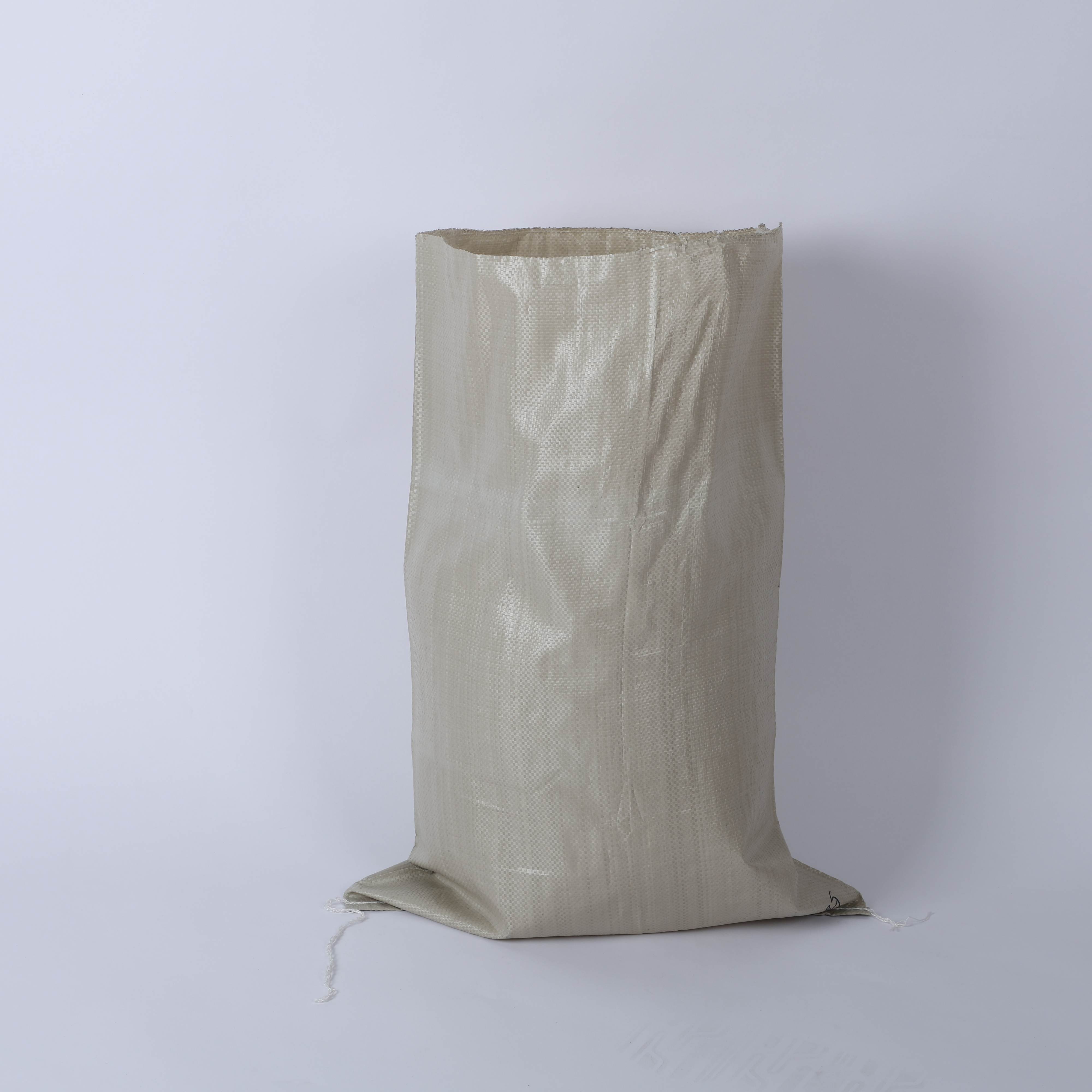
The durability of your corn storage bag directly impacts profitability and brand reputation. Modern corn packaging bag solutions have evolved to address historical weaknesses, but many operators still rely on inadequate materials or outdated construction methods. This article examines the mechanics of seam failure, explores preventive measures, and provides practical guidance for selecting robust pp corn bag options that withstand the demands of contemporary bulk transport.
Seam failures in a grain woven bag typically originate from concentrated stress points where panels are stitched together. When bulk corn is loaded into these bags, the weight creates directional force that concentrates along the seam lines rather than distributing evenly across the fabric. During transport, vibration, rough handling, and road impact intensify this stress. The pp corn bag construction must withstand not only static weight but also dynamic forces that shift and compress the contents repeatedly.
The corner seams of a corn bag experience the highest failure rates because they bear both vertical load and lateral shearing forces simultaneously. Traditional single-stitch designs fail rapidly under these conditions, while overlapping thread paths and reinforced corner constructions prove far more resilient. Modern corn storage bag manufacturers now use multi-layer stitching and specialized thread materials that distribute strain across a wider area, reducing localized failure points.
Environmental exposure accelerates seam deterioration in any corn packaging bag exposed to moisture, temperature fluctuations, or UV radiation. Polypropylene fibres in a grain woven bag can become brittle when exposed to sustained sunlight, making the stitched areas vulnerable to cracking. Water ingress weakens thread integrity and promotes mold growth along seam edges, compromising structural integrity over time. A pp corn bag stored in humid conditions or transported during rainy seasons faces significantly elevated failure risk unless protective coatings are applied.
Chemical residues from agricultural treatments and fertilizers can also degrade seam materials, particularly if the corn storage bag has been previously used for mixed commodities. The cumulative effect of environmental stress and material fatigue means that even well-constructed seams will eventually fail without proper maintenance and storage protocols. Selecting bags with UV-resistant treatments and moisture barriers substantially extends operational life and reduces failure frequency.
Premium corn bag designs incorporate reinforced seam structures specifically engineered to handle the unique demands of bulk grain transport. Modern corn packaging bag manufacturers use overlapped fabric layers at stress points, creating a cushioning effect that prevents thread from cutting directly into the base material. The grain woven bag construction now commonly includes boxed corners where seams are reinforced with additional rows of stitching, reducing failure probability at these critical junctures. This multi-stitch approach, combined with specialized high-tensile thread, transforms the pp corn bag into a far more durable container.
Thread selection has evolved dramatically, with manufacturers now using polyester or nylon threads that maintain flexibility across temperature ranges and resist degradation from both chemical and environmental exposure. A corn storage bag using premium thread materials experiences dramatically fewer seam failures compared to bags made with standard cotton or weaker synthetic threads. The stitch density also matters considerably; higher stitch counts per inch create multiple load paths that prevent catastrophic single-point failure.
The base material of a corn packaging bag must meet rigorous tensile strength standards to provide adequate foundation for seam integrity. High-quality polypropylene woven fabric, when properly constructed, offers superior puncture resistance and maintains flexibility under dynamic load. Manufacturers of grain woven bag solutions now incorporate additives that improve UV resistance and enhance fibre bonding, creating more cohesive fabric that resists tearing from within. Quality control testing ensures that every pp corn bag meets minimum burst strength specifications before leaving production facilities.
Lamination technology adds another protective layer to premium corn storage bag designs, creating moisture barriers that shield internal seams from environmental degradation. Multi-layer construction distributes stress more effectively across the fabric surface, reducing concentrated pressure at seam lines. These advanced manufacturing techniques represent significant investment in equipment and quality assurance, but they deliver measurable reductions in failure rates and total cost of ownership across extended supply chains.
Beyond material selection, operational practices significantly influence corn bag seam longevity. Proper stacking height, appropriate pallet placement, and careful forklift handling all reduce unnecessary stress on seam structures. A corn bag should not be stacked beyond manufacturer recommendations, as excessive compression creates sustained pressure that fatigues seams over weeks or months. Modern corn packaging bag users employ pallet configurations that distribute weight evenly and minimize edge stress where seams typically initiate failure.
Storage environments must prioritize protection from direct sunlight and moisture accumulation. Grain woven bag stored in covered facilities experience substantially longer service life than those exposed to weather. The pp corn bag inspection protocols should include visual seam assessment before loading, identifying any pre-existing damage that could compromise integrity during transport. Regular rotation of stock ensures older corn storage bag inventory moves through the supply chain before material fatigue becomes critical.
Contemporary logistics operations increasingly employ monitoring systems that detect early signs of seam stress and potential failure. Sensors embedded in shipments can measure vibration patterns and pressure distribution, providing data that identifies problematic handling practices. Digital documentation of every corn packaging bag from manufacture through delivery enables traceability and root-cause analysis when failures do occur. This data-driven approach transforms seam failure from an unpredictable problem into a manageable risk with quantifiable improvement strategies.
Progressive agricultural companies now conduct regular audits of their corn bag sourcing and handling procedures, establishing baseline failure rates and tracking improvements over time. This systematic approach, combined with selection of premium grain woven bag suppliers and implementation of optimized handling protocols, can reduce seam failure incidents by 60% to 80%. The corn bag specifications should be reviewed annually to incorporate new material innovations and manufacturing techniques that reduce failure risk.
Seam failures occur primarily due to concentrated stress at stitch points during loading, transit vibration, and environmental degradation. Weight distribution in bulk transport creates directional forces that concentrate along seam lines, while moisture, UV exposure, and temperature fluctuations weaken thread integrity over time. Corner seams experience the highest failure rates because they bear both vertical load and lateral shearing forces simultaneously.
Choose suppliers that use multi-layer stitching patterns, high-tensile polyester or nylon thread, and reinforced corner construction in their corn bag designs. Verify that the grain woven bag material includes UV-resistant additives and moisture barriers. Request burst strength test results and inspect pp corn bag samples for stitch uniformity, fabric quality, and material consistency before committing to bulk orders.
Yes, significantly. Adhering to manufacturer stacking recommendations, protecting corn storage bags from direct sunlight and moisture, and using careful handling procedures extends seam longevity considerably. Regular visual inspections before transport, proper pallet configurations, and climate-controlled storage environments can reduce failure incidents by 60% to 80%, complementing the benefits of premium material selection.

Discover the 4 critical production metrics—throughput, defect rate, equipment uptime & on-time delivery—to vet factories confidently.

Ensure regulatory compliance & worker safety with proven methods for chemical woven bags—material selection, labeling, storage & training.

Discover the full PP woven bag manufacturing workflow—from extrusion & weaving to printing & QC. Boost efficiency, compliance & ROI. Download the process guide now.

Struggling with weak bags or high material waste? Master extrusion and tape drawing tech for stronger, cheaper PP woven bags. Optimize your production line now.

Struggling with defects or customer returns? Discover the 5 non-negotiable quality checkpoints across your woven bag production line
Which automation tier is right for your PP woven bag factory? Compare manual to Industry 4.0 systems for cost, quality, and scalability.
Get in touch for details on polypropylene woven bags and flexible packaging solutions.
Tel
Address
No.2015, Liaoyuan Building, Lanshan District, Linyi City, Shandong Province.China

