 EN
How to Assess Production Efficiency at a PP Woven Bag Factory
Discover the 4 critical production metrics—throughput, defect rate, equipment uptime & on-time delivery—to vet factories confidently.

2026/08/21
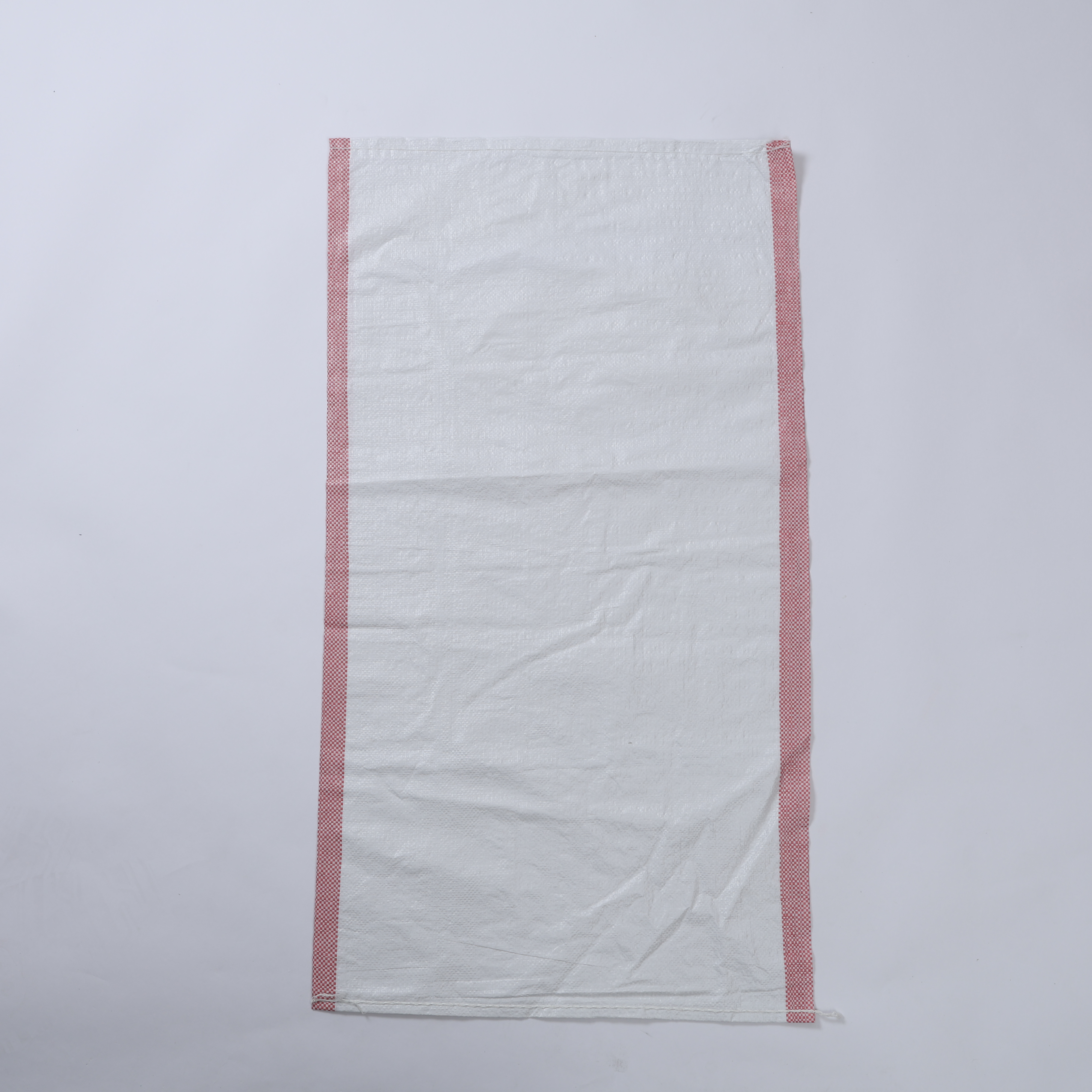
Agricultural packaging bags serve as the critical barrier between harvest and end-consumer, yet their design directly influences contamination risk throughout the supply chain. Poor design choices in agricultural packaging bags can introduce moisture, pests, microbial growth, and chemical residues that compromise crop quality and safety. Understanding these contamination pathways is essential for farmers, processors, and distributors who depend on reliable farm packaging bag solutions to protect their produce from field to market.
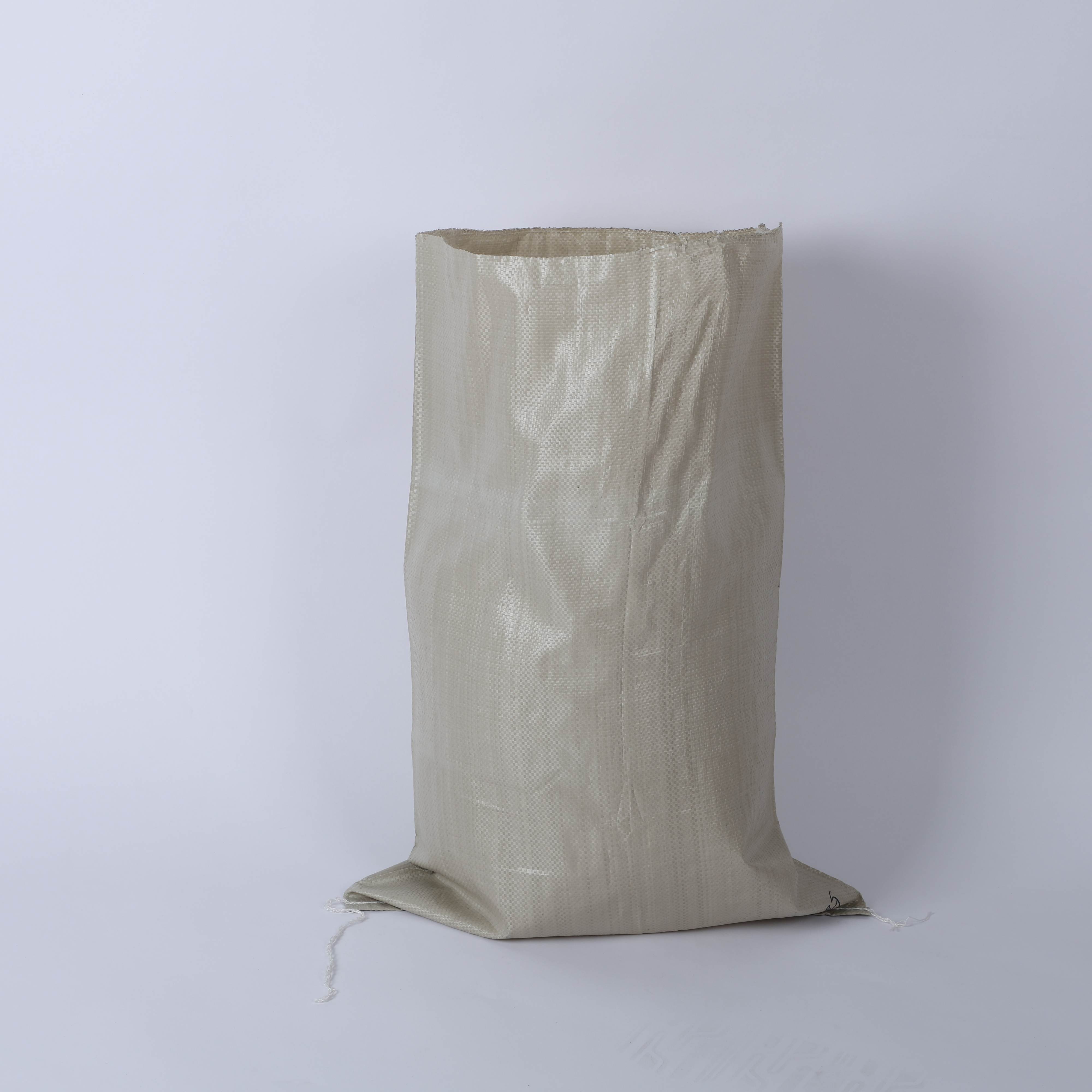
The integrity of your crop packaging solution directly correlates with post-harvest losses and regulatory compliance. When agricultural packaging bags fail to meet design standards, they expose grains, seeds, dried produce, and specialty crops to environmental hazards. Selecting the right produce storage bag with proper material composition, seal quality, and breathability ensures that contamination remains minimal and product integrity stays intact throughout transport, warehousing, and retail distribution.
Agricultural packaging bags without adequate moisture barrier properties allow water vapor penetration, leading to condensation inside the container. This moisture environment accelerates fungal growth, mold formation, and enzymatic degradation of stored crops. PP agricultural packaging, when properly manufactured with multi-layer construction, creates the moisture barrier necessary to maintain dry conditions. However, single-layer or poorly sealed farm packaging bag designs fail to prevent humidity ingress, particularly in tropical or humid storage environments where relative humidity exceeds safe thresholds.
Daily temperature fluctuations in warehouses and transportation containers cause thermal cycling within the produce storage bag. When outside temperatures drop at night, air inside the bag contracts, drawing in outside moisture. When temperatures rise during the day, the cycle reverses. Weak seals in lower-grade agricultural packaging bags cannot prevent this moisture exchange, leading to condensation buildup on the crop surface. Premium pp agricultural packaging with heat-sealed closures and multi-layer film construction resists this thermal cycling effect, maintaining stable internal humidity and protecting crop packaging solutions from premature degradation and microbial contamination.
Agricultural packaging bags with design flaws—loose weaves, incomplete seals, or thin material—offer entry points for insects, rodents, and other pests seeking stored grains and seeds. Insects like weevils, moths, and beetles can penetrate weak farm packaging bag structures, infesting crops within days. A produce storage bag with reinforced seams and tight weave density dramatically reduces pest ingress. Conversely, poorly designed agricultural packaging bags may show visible tears or separation at fold lines after just days of handling, creating direct access routes for contamination. Quality pp agricultural packaging standards specify minimum puncture resistance and tear strength to prevent these structural failures.
When crop packaging solutions lack proper dust containment, particles from adjacent storage areas, floor debris, and airborne contaminants settle on the bag exterior and eventually migrate inside through weak seals. Agricultural packaging bags stacked in warehouses create pressure points where dust accumulation occurs. Without adequate structural integrity, farm packaging bag materials compress and allow micro-gaps to form. High-quality agricultural packaging bags feature reinforced handles, strong base construction, and sealed closures that prevent dust infiltration even under pressure stacking conditions, protecting produce storage bag contents from foreign material throughout the supply chain.
Agricultural packaging bags manufactured from recycled or lower-grade polypropylene may contain residual contaminants, heavy metals, or inappropriate additives that migrate into stored crops over time. Food-contact compliance requires that farm packaging bag materials meet specific resin grades and additive specifications. Inferior pp agricultural packaging uses fillers, colorants, or UV stabilizers not approved for food storage, creating chemical contamination risk. Proper crop packaging solution design specifies virgin or food-grade polypropylene resin, ensuring that the produce storage bag remains chemically inert and does not introduce harmful substances into grains, seeds, or dried produce during weeks or months of storage.
Low-quality agricultural packaging bags made from recycled materials or chemical-laden compounds can transfer odors and off-flavors to stored crops. This contamination pathway is particularly concerning for specialty crops, spices, and premium produce where flavor and aroma are critical quality attributes. Premium farm packaging bag designs use barrier layers that prevent odor transmission and protect product sensory characteristics. Selecting high-grade pp agricultural packaging with proper material certification ensures that the produce storage bag contributes no off-flavors, odors, or chemical notes to the stored crop, maintaining market value and consumer satisfaction throughout distribution and shelf life.
Moisture ingress leading to mold and fungal growth, pest infiltration through weak seals, foreign material accumulation from dust penetration, and chemical leaching from recycled or non-food-grade materials represent the primary contamination risks in poorly designed farm packaging bag solutions. Thermal cycling inside the produce storage bag exacerbates moisture problems, while weak structural integrity in agricultural packaging bags enables both pest entry and cross-contamination from adjacent storage areas. Addressing these design flaws through proper material selection and seal quality directly reduces total contamination incidents and post-harvest losses in crop packaging solutions.
Food-grade pp agricultural packaging features multi-layer construction that combines structural strength with effective moisture and oxygen barriers, protecting produce storage bag contents from environmental hazards. High-quality farm packaging bag designs include reinforced seams, secure heat-sealed closures, and tear-resistant weaving that prevents pest entry and structural failure during handling. Virgin polypropylene resin in premium agricultural packaging bags eliminates chemical contamination risks that plague recycled-material alternatives. This comprehensive approach to crop packaging solution design creates multiple protective layers against contamination pathways, ensuring that stored grains, seeds, and specialty crops remain clean, dry, and uncontaminated throughout their journey from farm to consumer.
Effective produce storage bag design incorporates multi-layer film construction with moisture barriers, secure gusset seals, reinforced bottom panels, and tight weave density in woven agricultural packaging bags. Farm packaging bag solutions should feature heat-sealed closures rather than simple folds, and the material should use food-grade pp agricultural packaging standards with proper thickness specifications. Handles should be securely stitched to reduce material stress and tear formation during transport. A crop packaging solution with these integrated design features—moisture control, structural integrity, pest-resistant construction, and chemical safety—provides comprehensive protection against contamination risks while maintaining durability through multiple handling cycles in real-world supply chain environments.

Discover the 4 critical production metrics—throughput, defect rate, equipment uptime & on-time delivery—to vet factories confidently.

Ensure regulatory compliance & worker safety with proven methods for chemical woven bags—material selection, labeling, storage & training.

Discover the full PP woven bag manufacturing workflow—from extrusion & weaving to printing & QC. Boost efficiency, compliance & ROI. Download the process guide now.

Struggling with weak bags or high material waste? Master extrusion and tape drawing tech for stronger, cheaper PP woven bags. Optimize your production line now.

Struggling with defects or customer returns? Discover the 5 non-negotiable quality checkpoints across your woven bag production line
Which automation tier is right for your PP woven bag factory? Compare manual to Industry 4.0 systems for cost, quality, and scalability.
Get in touch for details on polypropylene woven bags and flexible packaging solutions.
Tel
Address
No.2015, Liaoyuan Building, Lanshan District, Linyi City, Shandong Province.China

