 EN
How to Assess Production Efficiency at a PP Woven Bag Factory
Discover the 4 critical production metrics—throughput, defect rate, equipment uptime & on-time delivery—to vet factories confidently.

2026/08/10
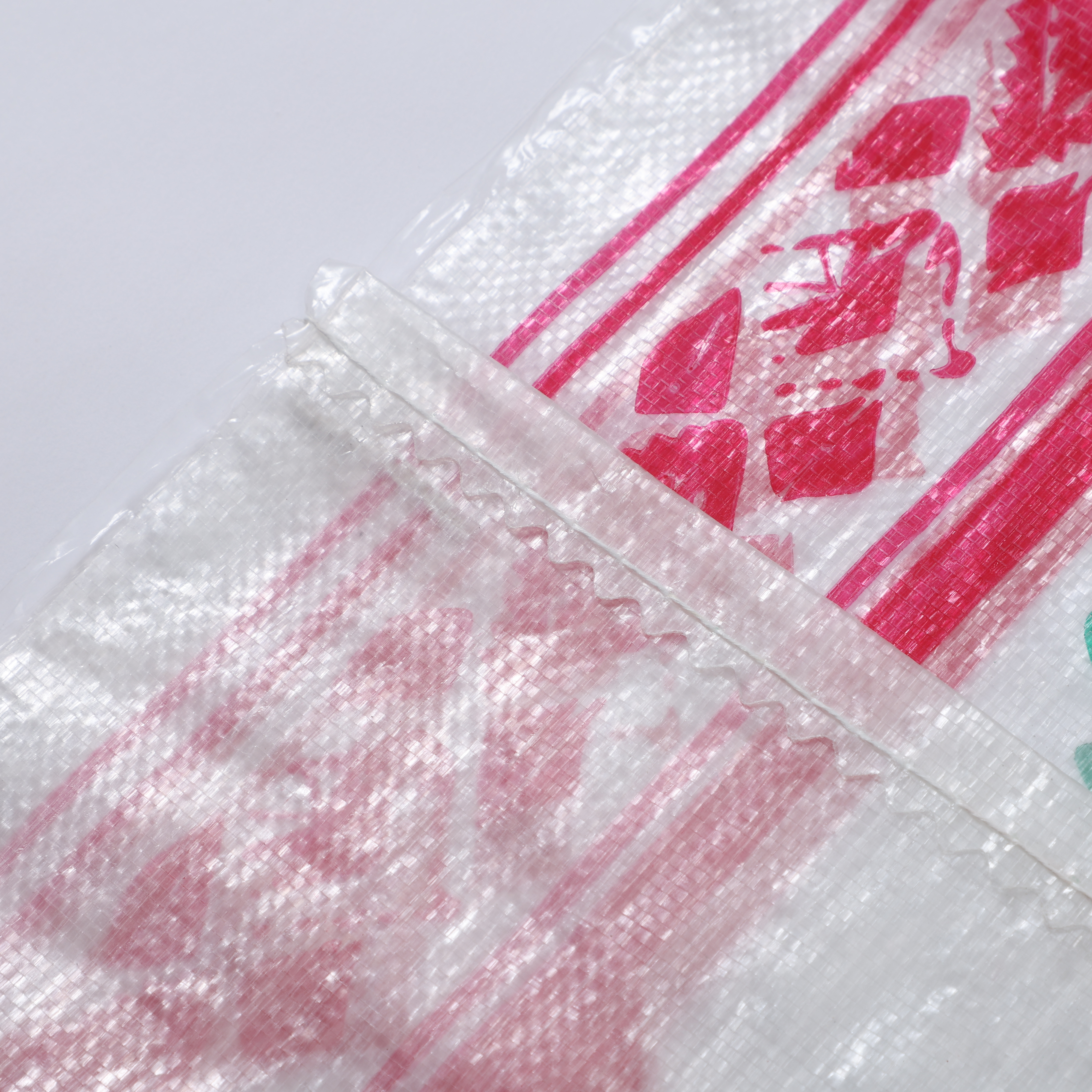
Choosing the right corn bag depends on your storage climate, humidity levels, and crop protection priorities. Breathable and laminated options each offer distinct advantages, and understanding when to use each type is essential for preserving grain quality and minimizing losses. Storage conditions vary significantly across regions and seasons, making climate-appropriate packaging a critical operational decision for grain handlers, farmers, and distributors.
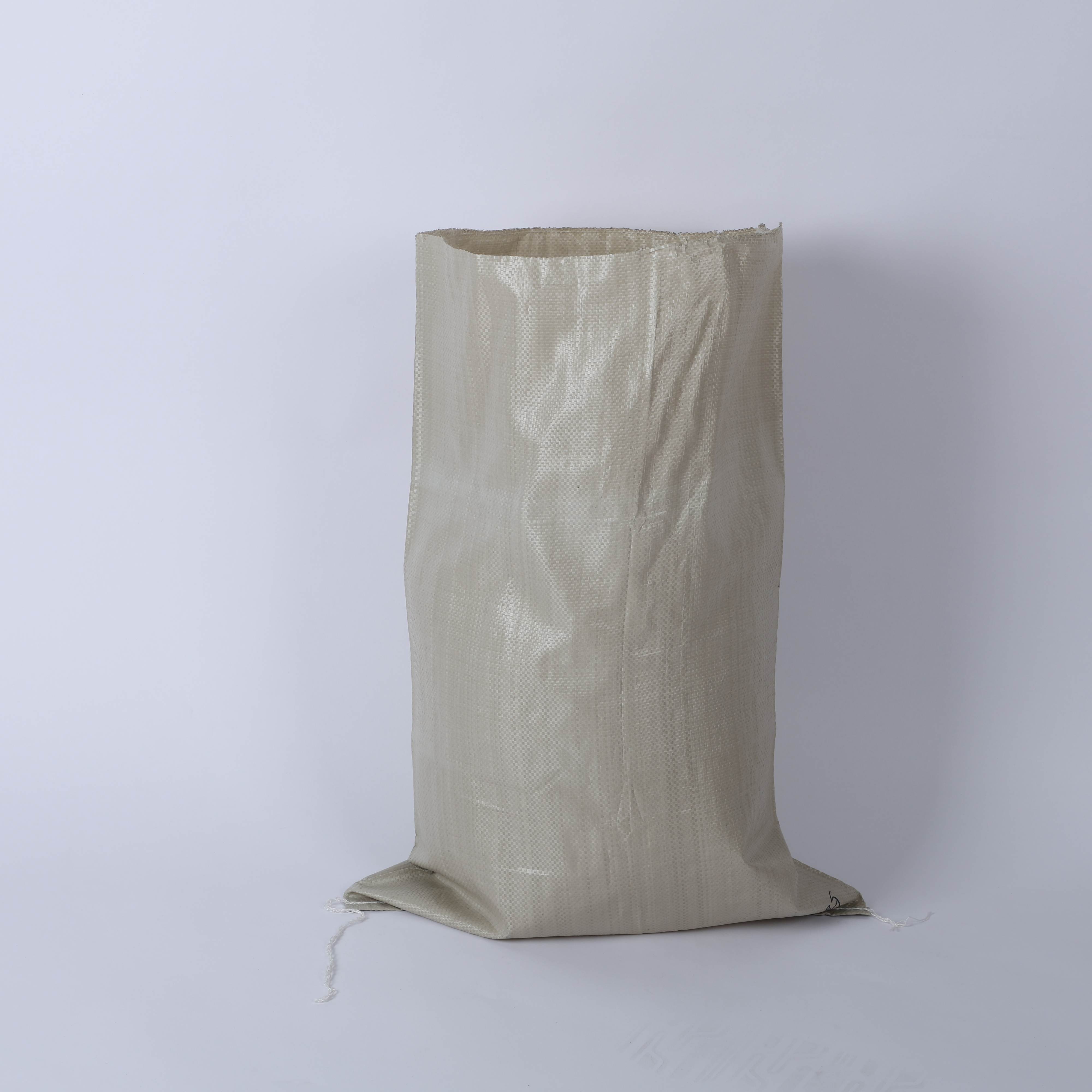
A corn packaging bag must balance moisture management, structural durability, and cost-effectiveness. Breathable corn storage bags allow air circulation, which helps prevent moisture condensation and mold growth in certain environments. Laminated grain woven bags, by contrast, create a moisture barrier that protects contents from external humidity and environmental contaminants. The choice between these two pp corn bag styles shapes how well your corn survives storage and maintains market value.
Breathable grain woven bags permit air and moisture vapor to pass through their fabric structure. This design is particularly valuable in dry climates or during harvest seasons when stored corn contains elevated moisture levels. The pp corn bag weave allows internal moisture to gradually escape, reducing the risk of fungal growth and spoilage. In low-humidity environments, this passive ventilation mechanism can significantly extend shelf life and maintain grain quality without additional equipment.
Breathable corn packaging bags perform best in arid and semi-arid regions with consistent low humidity. They are ideal for temporary storage during harvest or in facilities with active climate control systems. Grain handlers in these settings benefit from the cost advantages of breathable materials while maintaining moisture equilibrium within stored corn. However, breathable bags are less suitable for coastal or tropical climates where ambient humidity remains persistently high.
Laminated grain woven bags incorporate a sealed plastic layer that blocks external moisture from entering the package. This barrier is crucial in humid storage environments where atmospheric water vapor would otherwise penetrate ordinary fabric. A pp corn bag with lamination protects against condensation, rain exposure, and moisture-rich air circulation. The moisture barrier also prevents insect and pest penetration more effectively than breathable alternatives, creating a comprehensive protective envelope around stored grain.
Laminated corn storage bags enable longer storage periods in warm, humid, or tropical climates. The sealed construction prevents external moisture infiltration, which is the primary cause of mold and deterioration in these regions. Grain handlers can store laminated corn packaging bags outdoors or in uncontrolled environments with greater confidence. This flexibility in storage location and duration often justifies the higher material cost of laminated solutions, particularly for high-value grain or premium crop varieties.
In dry regions with low relative humidity and minimal seasonal moisture variation, breathable grain woven bags offer cost-effective protection. The pp corn bag design allows naturally low moisture vapor to escape gradually without risk of external contamination. Storage facilities in these climates can rely on breathable materials while maintaining quality standards. Switching to laminated corn packaging bags in dry climates often adds unnecessary expense without measurable performance benefits.
Humid climates demand laminated corn storage bags to prevent moisture penetration and microbial growth. Atmospheric moisture levels exceed what breathable grain woven bags can manage passively, leading to rapid quality deterioration. A laminated pp corn bag maintains internal moisture equilibrium even when external humidity approaches saturation. In these environments, laminated corn packaging bags become a non-negotiable requirement rather than an optional upgrade, directly impacting the viability of long-term storage operations.
Regions with significant seasonal humidity swings benefit from a hybrid storage strategy combining both bag types. Breathable corn storage bags work well during dry harvest periods, while laminated grain woven bags protect extended inventory through humid months. Grain handlers in these climates often maintain inventory flexibility by using pp corn bag types strategically based on storage duration and seasonal forecasts. This adaptive approach maximizes cost efficiency while reducing spoilage risk across annual storage cycles.
Breathable corn packaging bags cost less per unit than laminated alternatives, reflecting simpler manufacturing and basic material inputs. Laminated grain woven bags command a price premium due to the added plastic barrier layer and manufacturing complexity. However, the total cost of grain losses due to spoilage often exceeds the initial savings from cheap breathable bags in unsuitable climates. Evaluating true cost requires balancing material price against expected spoilage rates and storage duration in your specific climate.
Short-term storage of freshly harvested corn may justify breathable pp corn bag selection even in moderately humid regions. Long-term storage beyond three to six months typically demands laminated corn storage bags, especially if external warehouse conditions are uncontrolled. Grain handlers should inventory laminated bags for strategic reserves and premium crops requiring extended shelf life. Operational efficiency improves when storage decisions are linked to specific inventory timelines rather than applying uniform solutions across all crops.
Climate-controlled warehouses benefit most from breathable grain woven bags because internal humidity is actively managed. Since environmental conditions are regulated, the passive ventilation of a pp corn bag provides adequate moisture control at lower cost. Laminated corn packaging bags are unnecessary in these settings unless you require absolute contamination barriers for organic or specialty crops.
Yes, laminated grain woven bags work reliably across all climates because the moisture barrier function remains constant regardless of external conditions. However, using laminated corn packaging bags in dry climates represents an inefficient expense when breathable pp corn bag alternatives deliver identical results. Cost optimization suggests matching laminated bags to genuinely humid environments where moisture barriers provide measurable risk reduction.
Assess your facility's average relative humidity and seasonal moisture patterns. Regions consistently below 65 percent humidity can rely on breathable grain woven bags, while areas above 75 percent humidity require laminated corn packaging bags. Transitional zones benefit from using both types strategically based on storage duration. Consult historical climate data and coordinate with agricultural extension services to identify the optimal pp corn bag selection for your location.

Discover the 4 critical production metrics—throughput, defect rate, equipment uptime & on-time delivery—to vet factories confidently.

Ensure regulatory compliance & worker safety with proven methods for chemical woven bags—material selection, labeling, storage & training.

Discover the full PP woven bag manufacturing workflow—from extrusion & weaving to printing & QC. Boost efficiency, compliance & ROI. Download the process guide now.

Struggling with weak bags or high material waste? Master extrusion and tape drawing tech for stronger, cheaper PP woven bags. Optimize your production line now.

Struggling with defects or customer returns? Discover the 5 non-negotiable quality checkpoints across your woven bag production line
Which automation tier is right for your PP woven bag factory? Compare manual to Industry 4.0 systems for cost, quality, and scalability.
Get in touch for details on polypropylene woven bags and flexible packaging solutions.
Tel
Address
No.2015, Liaoyuan Building, Lanshan District, Linyi City, Shandong Province.China

