 EN
How to Assess Production Efficiency at a PP Woven Bag Factory
Discover the 4 critical production metrics—throughput, defect rate, equipment uptime & on-time delivery—to vet factories confidently.

2026/09/22
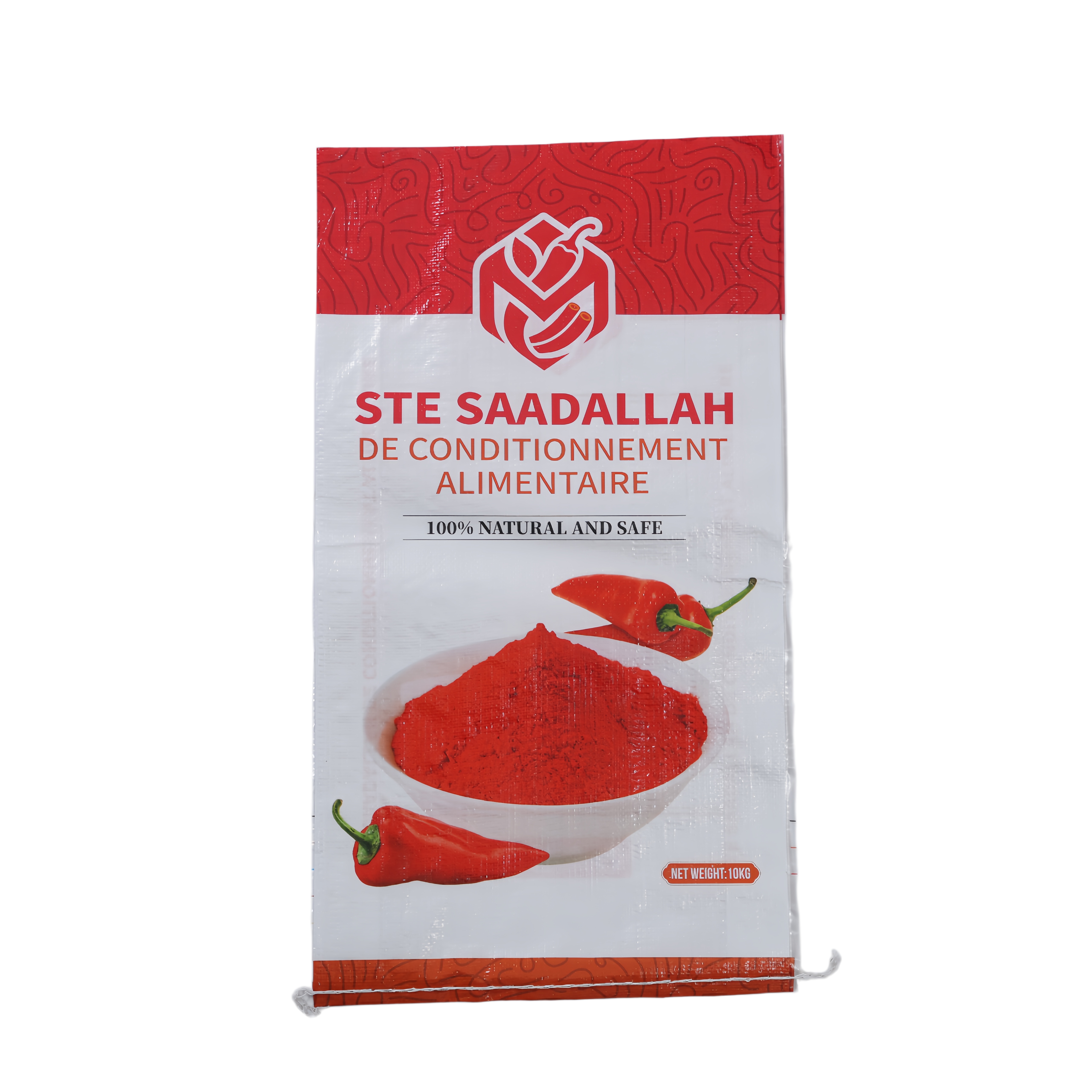
Rice bags are essential for storing and transporting grain, yet fine particles often escape during handling, storage, and distribution. Understanding why rice bags leak is crucial for agricultural businesses, food processors, and distributors who depend on maintaining product quality and minimizing waste. A properly sealed rice bag protects valuable inventory, extends shelf life, and ensures compliance with food safety standards. The loss of fine grains through seepage represents both an economic burden and an operational challenge that demands practical solutions.
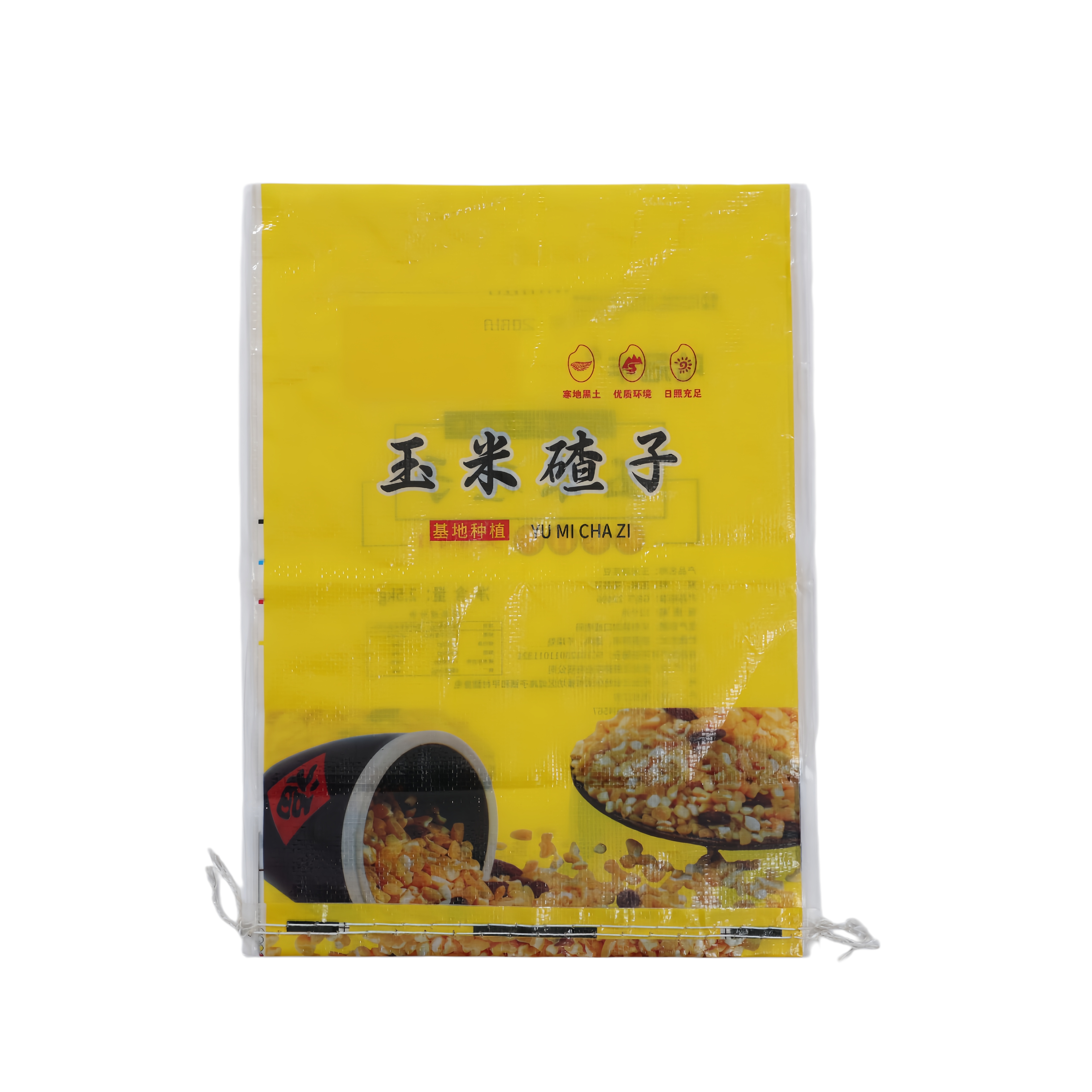
Leakage in grain storage occurs due to multiple interconnected factors involving material properties, production methods, and environmental stress. Rice grains are small and angular, creating unique challenges for containment compared to larger agricultural commodities. Whether you use traditional woven materials or modern plastic alternatives, the structural integrity of your rice packaging bag directly impacts how effectively fine particles remain contained. Addressing leakage requires both understanding root causes and implementing proven sealing techniques that work across different storage scenarios and climates.
The foundation of rice leakage often lies in weave density. A rice woven bag manufactured with standard polypropylene weaving creates inherent gaps between threads. These microscopic spaces that function adequately for larger grains become problematic when storing fine rice varieties. The weave count—measured as threads per inch—directly determines how much fine material escapes. Standard agricultural bags typically feature 10 to 12 threads per inch, which suits corn or beans but permits rice grain migration, especially when bags experience vibration during transport or settling during storage.
Manufacturers addressing this challenge developed tighter weaves and multilayer construction. A pp rice sack with enhanced density reduces leakage significantly but increases production costs. The balance between cost-effectiveness and containment performance drives material selection decisions across the industry. Quality rice packaging bag producers invest in specialized looms that achieve superior weave consistency, creating a barrier that minimizes grain escape while maintaining handle-ability and affordability.
Environmental exposure accelerates rice bag degradation. Ultraviolet light breaks down polypropylene fibers, reducing their tensile strength and creating microscopic tears. Moisture fluctuations cause the material to expand and contract, generating stress points along seams and weakening thread bonds. Temperature extremes in storage facilities or during transport intensify these degradation processes. Additionally, grain storage bag materials absorb humidity, which can soften the plastic and expand gaps between fibers, allowing fine particles to escape more readily.
The grain storage bag lifespan depends heavily on storage conditions. Bags stored in cool, dry environments with controlled UV exposure maintain structural integrity far longer than those exposed to direct sunlight and humidity fluctuations. Agricultural operations in tropical regions face accelerated material breakdown, necessitating more robust pp rice sack solutions or more frequent bag replacement cycles to prevent significant losses.
The sealing process fundamentally determines whether a rice bag contains grain or allows leakage. Heat-sealed edges create stronger closures than traditional stitching, as the polypropylene material bonds molecularly rather than relying on thread tension alone. However, inconsistent heat application during manufacturing creates weak points where fine grains penetrate. Threading tension variations during stitching leave tiny gaps that accumulate into noticeable losses over weeks of storage. Quality control during rice packaging bag production must ensure uniform stitch spacing, consistent tension, and properly aligned seams that eliminate escape routes.
Professional grain storage bag manufacturers employ automated stitching systems that maintain precise tension and stitch spacing, dramatically reducing sealing defects. Manual or poorly calibrated equipment produces variable quality, with some seams containing loose areas vulnerable to particle escape. Inspection systems that verify seal strength before shipping prevent defective bags from reaching end users, protecting both inventory and reputation.
The physical design of bag seams determines sealing effectiveness. Bags with single-layer folds at the closure point create weaker barriers than those with overlapped, multi-thickness seals. When rice begins settling and shifting inside a pp rice sack, pressure concentrates at the bottom corners and along the sealed edges. A poorly designed fold cannot withstand this sustained pressure, and fine grains find their way through. Superior rice packaging bag designs feature reinforced overlap folds with multiple stitches or heat-seal passes, creating redundant barriers that maintain containment even under sustained stress.
The filling and sealing process itself represents a critical control point. Overfilling a rice bag creates excessive pressure on seams, pushing grains into weak points and accelerating leakage. Industry best practice limits fill volume to 95 percent of rated capacity, allowing space for grain settling without straining seals. When filling a grain storage bag, maintaining consistent moisture content in the rice prevents the material from compacting irregularly, which could stress seams unevenly. Operators should implement procedures that verify seal quality immediately after closing, identifying defects before bags enter the supply chain.
Modern filling operations employ pneumatic or vacuum-sealing attachments that compress air out of bags before final closure, reducing internal pressure and preventing stress on seams. This technique, combined with heat-sealing rather than stitching-only closure, transforms how effectively a rice woven bag or pp rice sack contains fine grains. Temperature and pressure monitoring during the sealing operation ensures consistency across production batches.
Selecting appropriate rice packaging bag specifications directly prevents leakage problems. For fine rice varieties, opting for bags with tighter weave counts—14 to 16 threads per inch—immediately reduces grain escape. Multi-wall construction, where an outer layer and inner layer are bonded with minimal gap, provides superior containment compared to single-wall alternatives. Laminated interior surfaces create an additional barrier that catches fine particles before they reach the weave structure, making this feature especially valuable for long-term grain storage bag applications.
Thickness matters equally. Standard agricultural bags feature 100 to 120 micron material thickness, while premium grain storage solutions use 150 to 200 micron polypropylene. Thicker material resists tearing, maintains weave integrity longer, and provides superior puncture resistance during handling. Though heavier bags increase shipping costs, the reduction in spillage and improved reusability often justify the investment for high-volume rice operations or exporters managing multiple shipments across challenging distribution networks.
Even well-designed rice bags leak if stored or handled improperly. Stacking bags too high concentrates weight on lower bags, increasing internal pressure and forcing grain through weak seams. Industry guidelines recommend limiting stack heights to 1.5 to 2 meters for indoor storage, with pallet placement in well-ventilated areas. During transport, securing bags firmly to prevent shifting reduces vibration-induced stress that can work fine grains through tiny gaps. Using bags with handles strengthens the rice woven bag structure and reduces stress on seams caused by dragging or improper lifting.
Temperature and humidity control in storage facilities dramatically extends pp rice sack integrity. Maintaining storage conditions between 15 and 25 degrees Celsius and relative humidity below 70 percent prevents the material expansion and degradation that accelerates leakage. Regular inspection of stored bags, particularly examining seams and edges for stress cracks, allows early detection and intervention before major losses occur. Rotating stock using first-in-first-out principles ensures older bags don't degrade excessively before use.
Fine rice grains are smaller than corn or wheat kernels, and their angular shape allows them to lodge in weave gaps more easily. A rice bag with standard weave density functions adequately for larger commodities but creates visible leakage with fine rice varieties. The grain size difference means that what qualifies as an acceptable weave for general agriculture fails specifically for rice. Selecting bags designed explicitly for fine grains—with tighter weaves or multi-wall construction—eliminates this problem entirely.
Heat-sealing provides superior containment when properly executed, as molecular bonding creates a continuous barrier without gaps. However, defects in heat application or material inconsistency can still allow leakage. The best grain storage bag design combines both methods: heat-sealing for primary closure, reinforced with stitching that provides backup security. This redundant approach ensures that even if one sealing method develops a defect, the second barrier prevents grain escape and maintains product integrity.
Well-sealed rice packaging bags maintain integrity for 6 to 12 months under controlled storage conditions, with leakage risk increasing gradually thereafter as material degradation progresses. Environmental factors heavily influence this timeline—bags in cool, dry, protected storage environments last substantially longer than those exposed to sunlight, temperature extremes, or high humidity. Implementing proper storage protocols and selecting premium pp rice sack materials specifically rated for long-term grain storage can safely extend containment beyond 12 months, making professional bag selection and storage conditions the primary determinants of leakage prevention success.

Discover the 4 critical production metrics—throughput, defect rate, equipment uptime & on-time delivery—to vet factories confidently.

Ensure regulatory compliance & worker safety with proven methods for chemical woven bags—material selection, labeling, storage & training.

Discover the full PP woven bag manufacturing workflow—from extrusion & weaving to printing & QC. Boost efficiency, compliance & ROI. Download the process guide now.

Struggling with weak bags or high material waste? Master extrusion and tape drawing tech for stronger, cheaper PP woven bags. Optimize your production line now.

Struggling with defects or customer returns? Discover the 5 non-negotiable quality checkpoints across your woven bag production line
Which automation tier is right for your PP woven bag factory? Compare manual to Industry 4.0 systems for cost, quality, and scalability.
Get in touch for details on polypropylene woven bags and flexible packaging solutions.
Tel
Address
No.2015, Liaoyuan Building, Lanshan District, Linyi City, Shandong Province.China

