 EN
How to Assess Production Efficiency at a PP Woven Bag Factory
Discover the 4 critical production metrics—throughput, defect rate, equipment uptime & on-time delivery—to vet factories confidently.

2026/09/04
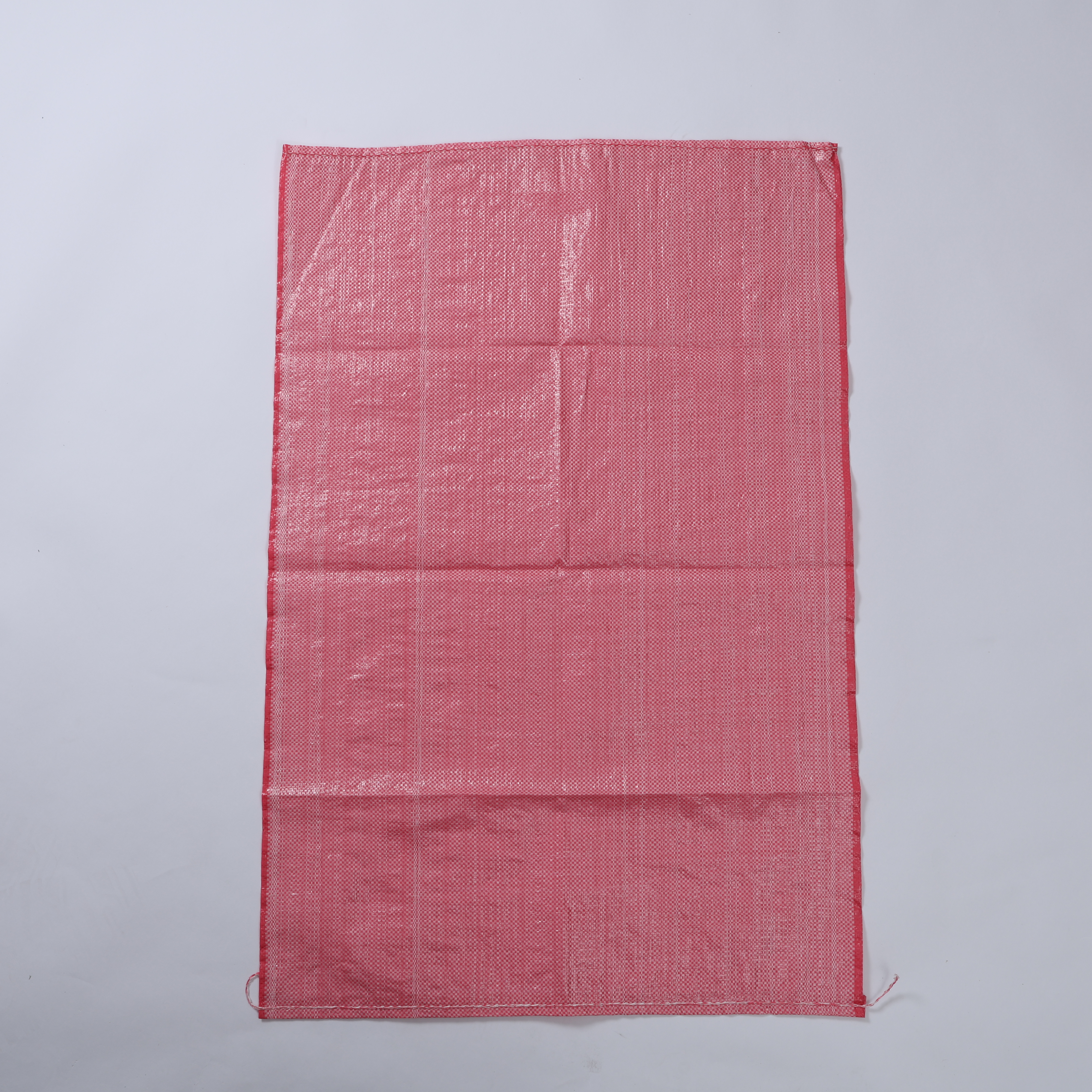
Modern packaging bags have evolved dramatically over the past two decades, driven primarily by advances in lamination technology that fundamentally transform how materials perform in real-world conditions. The lamination process bonds multiple layers of material together, creating a composite structure that delivers superior strength, moisture resistance, and barrier protection compared to single-layer alternatives. Understanding the science behind lamination is essential for procurement professionals, logistics managers, and brand owners who need to select the right packaging bag solutions for their specific applications.
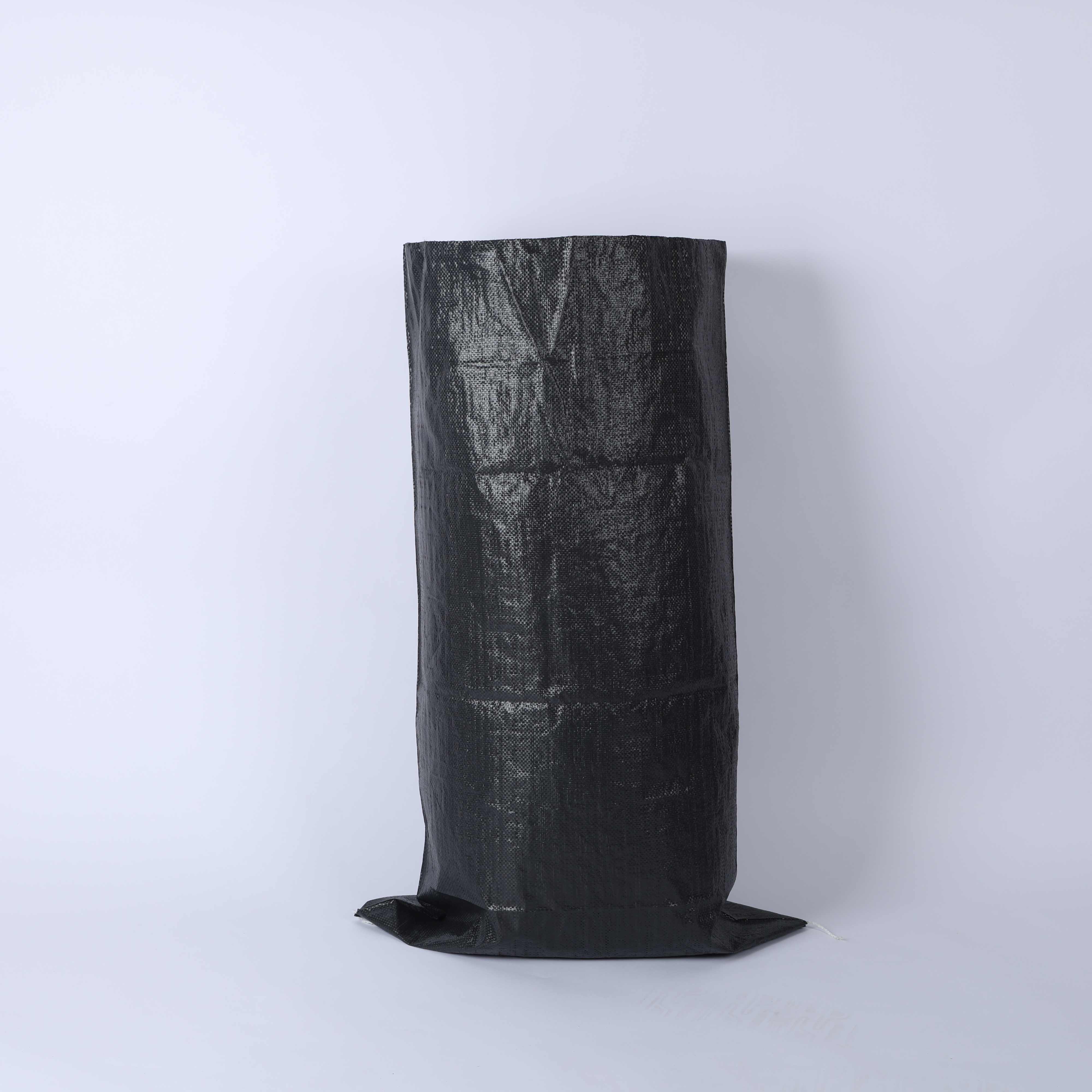
The industrial packaging bag market has responded to demand for higher performance materials by incorporating lamination at multiple stages of manufacturing. Whether you are working with pp packaging bag products, woven packaging sack applications, or bulk packaging bag solutions for agricultural commodities, the underlying lamination technology determines how well your product remains protected from environmental degradation, contamination, and handling stress throughout the supply chain.
Extrusion coating represents the most widely adopted lamination method in the industrial packaging bag sector. The process involves extruding a thin layer of molten plastic resin directly onto a substrate material, typically polypropylene woven fabric or kraft paper. This molten plastic fuses chemically with the substrate surface, creating an impermeable bond that cannot separate under normal stress conditions. The pp packaging bag manufacturers leverage this technology to achieve moisture barriers while maintaining the breathability and cost efficiency required for bulk packaging bag applications across grain storage, chemical distribution, and construction material handling.
The quality of the extrusion bond depends on substrate cleanliness, resin temperature, coating thickness, and cooling rate. Industrial packaging bag producers must maintain precise control over these parameters to prevent coating defects, wrinkles, or adhesion failures that compromise barrier integrity. Modern automated coating lines monitor these variables in real time, enabling consistent lamination performance across high-volume production runs of woven packaging sack and industrial packaging bag products.
Adhesive-based lamination involves applying a chemical bonding agent between two or more material layers before combining them under controlled heat and pressure. This method offers flexibility in material selection, allowing manufacturers to pair films, papers, and fabrics that would not chemically fuse through extrusion alone. Adhesive lamination is particularly valuable in creating specialized bulk packaging bag designs where different material properties are needed in different layers. For example, a woven packaging sack might combine a breathable inner layer with an outer moisture-barrier film, bonded using food-grade or chemical-resistant adhesives depending on the contents.
The choice of adhesive chemistry significantly influences final packaging bag performance. Polyurethane-based adhesives provide excellent flexibility and moisture resistance, making them ideal for tropical or humid storage environments. Acrylic adhesives deliver superior chemical resistance for applications involving solvents or oils. Selecting the appropriate adhesive ensures that your pp packaging bag or industrial packaging bag maintains structural integrity and barrier function throughout the product lifecycle.
The lamination structure must be architected based on the specific barriers required by the packaging bag's contents. Moisture-sensitive products require films with high water vapor transmission resistance, typically achieved through polyethylene or polypropylene films applied as the outer lamination layer. Oxygen-sensitive contents demand films with gas barrier properties, often requiring metallized films or specialized high-barrier polymers. An industrial packaging bag for long-term chemical storage might employ multiple laminated layers including a chemical-resistant outer film, an adhesive bonding layer, and a structural woven base fabric, each contributing a specific protective function.
The thickness and composition of each laminated layer must balance protection requirements against packaging cost and usability. A bulk packaging bag for grain might use a lighter lamination than a woven packaging sack intended for hazardous chemicals, yet both must meet regulatory compliance standards for their respective product categories. This layered design philosophy means that understanding your specific application requirements is essential before selecting a pp packaging bag or other laminated solution.
Beyond barrier function, lamination provides critical structural benefits that directly influence how industrial packaging bags perform during transportation, stacking, and handling. When lamination films are applied to a woven substrate, they distribute stress loads more effectively across the fabric weave, reducing localized tear propagation and extending the bag's resistance to puncture and abrasion. A bulk packaging bag reinforced through lamination can withstand more aggressive handling in automated filling and palletization systems without integrity failure.
The lamination process also enables sealing methods that would be impossible with non-laminated materials. Heat-sealable films applied through lamination create consistent, airtight seals along the top of a packaging bag, preventing atmospheric moisture and contaminants from entering the sealed product space. This feature is particularly critical for food products, pharmaceuticals, and moisture-sensitive chemicals where post-filling sealing is essential for product quality maintenance.
Proper lamination technology requires rigorous testing protocols to validate that multiple layers are genuinely bonded and performing as designed. Peel strength testing measures the force required to separate laminated layers, ensuring that adhesion meets minimum standards and will not fail during normal use. Moisture vapor transmission testing quantifies the barrier effectiveness of laminated films, critical for validating that your packaging bag will adequately protect moisture-sensitive contents. Puncture and tear resistance testing on laminated structures simulates real handling conditions, confirming that the reinforcement benefits of lamination actually translate to field performance.
Selecting a pp packaging bag or woven packaging sack supplier who maintains accredited testing facilities and provides transparent performance documentation ensures you receive predictable results. Quality assurance protocols should include periodic sampling from production runs, environmental aging tests to simulate storage conditions, and chemical compatibility verification when contents may interact with lamination materials.
Lamination technology inevitably adds cost to the base packaging bag material, typically increasing price by 15 to 30 percent depending on film type, thickness, and lamination method. This cost increase must be evaluated against the value delivered through extended shelf life, reduced product loss, regulatory compliance, and brand protection. An industrial packaging bag manufacturer must help customers understand this trade-off by quantifying how lamination reduces spoilage, prevents contamination events, and extends product marketability. A bulk packaging bag for agricultural products might justify lamination investment through reduced moisture ingress and corresponding preservation of crop value, even where a simpler non-laminated container would initially appear more economical.
Environmental considerations increasingly influence lamination choices as well. Modern woven packaging sack manufacturers are developing lamination films from recyclable or compostable polymers, enabling customers to align packaging selection with sustainability objectives without sacrificing performance characteristics that lamination technology provides.
Lamination bonds multiple material layers together to create composite structures that provide moisture barriers, gas barriers, structural reinforcement, and heat-sealable properties. These functions protect product quality, extend shelf life, and enable reliable sealing methods that single-layer materials cannot achieve. For pp packaging bag and woven packaging sack applications, lamination is the core technology enabling barrier performance and durability in demanding supply chain environments.
Extrusion coating melts plastic resin directly onto the substrate surface, creating a chemical fusion bond, while adhesive lamination applies a separate chemical bonding agent between layers. Extrusion coating typically costs less and delivers faster production speeds, making it preferred for high-volume bulk packaging bag production. Adhesive lamination offers greater flexibility in material pairing and is often selected when specialized combinations of films and substrates are needed for complex industrial packaging bag applications.
Request transparent performance documentation from your supplier including peel strength test results, moisture vapor transmission rates, puncture resistance data, and chemical compatibility verification. Specify your exact storage conditions, expected shelf life, and content characteristics so the supplier can recommend the appropriate lamination structure and materials. Consider conducting pilot trials with the proposed woven packaging sack or pp packaging bag design under simulated storage and handling conditions before committing to full production orders of bulk packaging bag volumes.

Discover the 4 critical production metrics—throughput, defect rate, equipment uptime & on-time delivery—to vet factories confidently.

Ensure regulatory compliance & worker safety with proven methods for chemical woven bags—material selection, labeling, storage & training.

Discover the full PP woven bag manufacturing workflow—from extrusion & weaving to printing & QC. Boost efficiency, compliance & ROI. Download the process guide now.

Struggling with weak bags or high material waste? Master extrusion and tape drawing tech for stronger, cheaper PP woven bags. Optimize your production line now.

Struggling with defects or customer returns? Discover the 5 non-negotiable quality checkpoints across your woven bag production line
Which automation tier is right for your PP woven bag factory? Compare manual to Industry 4.0 systems for cost, quality, and scalability.
Get in touch for details on polypropylene woven bags and flexible packaging solutions.
Tel
Address
No.2015, Liaoyuan Building, Lanshan District, Linyi City, Shandong Province.China

