 EN
How to Assess Production Efficiency at a PP Woven Bag Factory
Discover the 4 critical production metrics—throughput, defect rate, equipment uptime & on-time delivery—to vet factories confidently.

2026/08/20
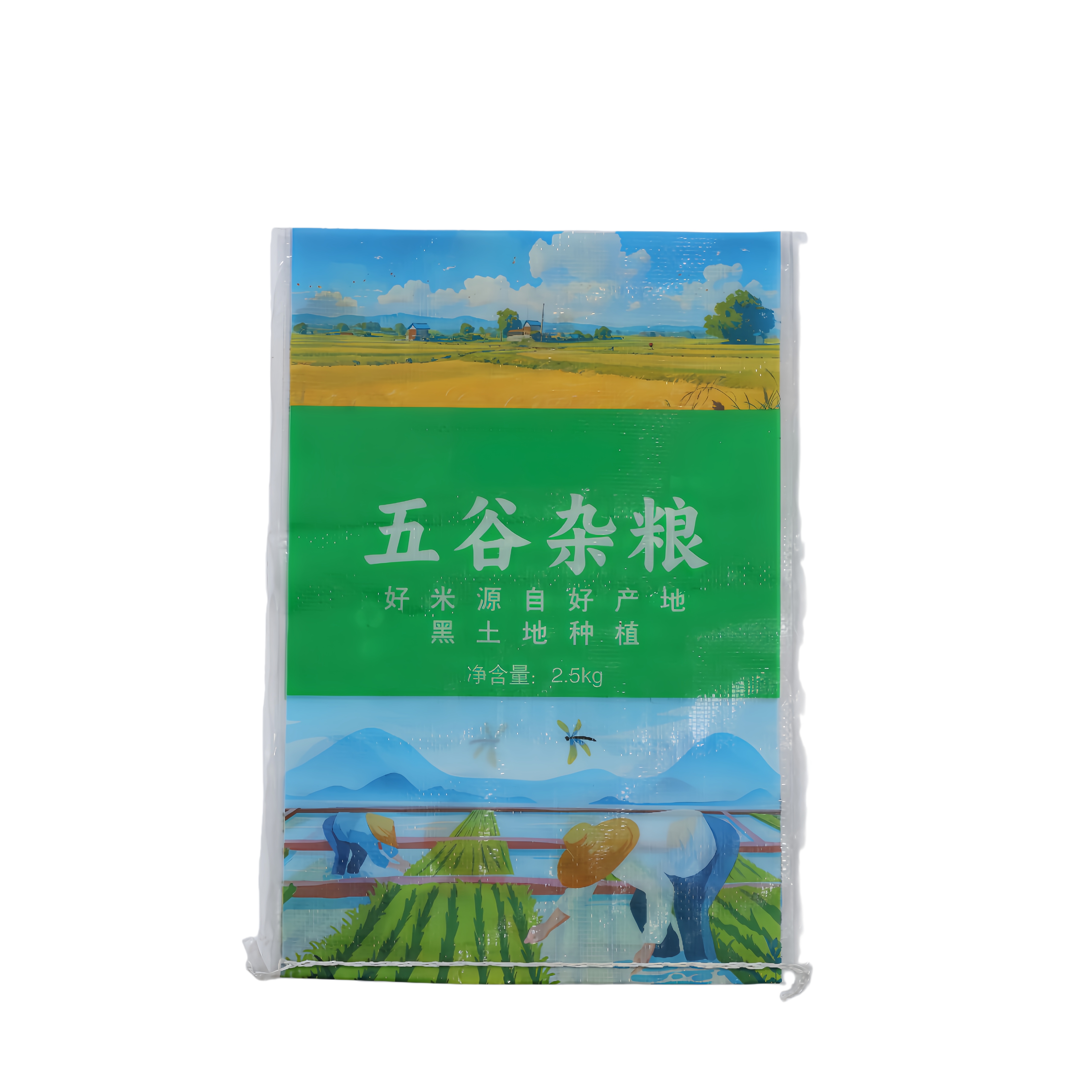
Understanding food grade production standards is essential for any rice bag manufacturer operating in today's competitive market. Food safety regulations have become increasingly stringent across global markets, and compliance is no longer optional—it's a fundamental requirement that determines market access, customer trust, and long-term business viability. A reliable rice bag manufacturer must navigate complex certification frameworks, material specifications, and quality assurance protocols to ensure that every bag meets the rigorous demands of the food industry. This comprehensive guide explores what it takes for a rice bag factory to achieve and maintain food grade production standards, ensuring that your packaging protects product integrity while satisfying regulatory requirements.
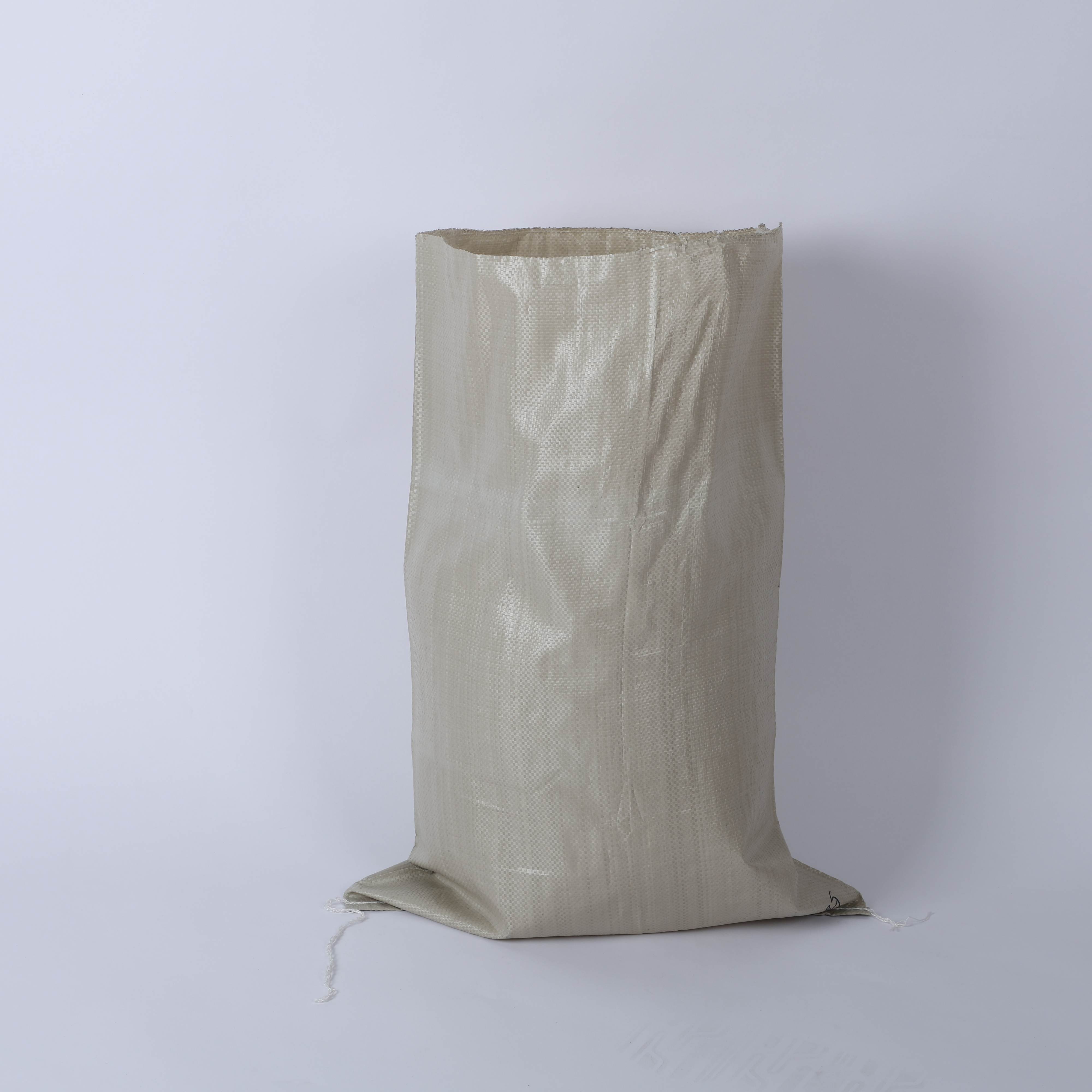
The journey toward becoming a compliant rice packaging supplier involves more than simply choosing the right materials. It requires a systematic approach that encompasses raw material sourcing, production process controls, testing protocols, and documentation practices. Understanding these standards helps rice bag factory operations optimize their processes, reduce waste, and build a reputation for reliability that attracts premium customers. Whether you operate a rice bag factory producing standard solutions or specialize in custom rice bag designs, the foundation of excellence is built on adherence to food safety standards and continuous improvement practices.
The first critical step for any rice bag manufacturer is selecting materials that comply with food contact regulations. Most modern rice packaging suppliers utilize polypropylene (PP) for their primary packaging solutions, as this material offers excellent barrier properties, durability, and regulatory approval across major markets. A rice bag factory must source virgin or food-grade recycled materials from certified suppliers who provide detailed compliance documentation. Custom rice bag production begins with rigorous material qualification that includes verifying FDA registration, EU compliance, and specific migration testing data. The Rice Bag Manufacturer must maintain complete traceability records for all materials entering production, ensuring that no contaminated or non-compliant inputs compromise final product quality.
A professional rice packaging supplier conducts extensive testing on raw materials before production commences. This includes organoleptic testing to detect odors or discoloration that might indicate contamination, as well as physical testing for tensile strength and tear resistance. PP rice bag production requires documentation of migration studies that prove materials do not leach harmful substances into packaged rice. The rice bag factory must maintain certificates of analysis from material suppliers and perform regular retesting to ensure batch-to-batch consistency. These testing protocols are not merely bureaucratic requirements—they form the technical backbone that protects consumers and establishes market credibility for the rice packaging supplier.
Achieving food grade status requires that a rice bag manufacturer establish documented production procedures for every stage of the manufacturing process. From material receipt through final packaging, each step must include defined control points and acceptance criteria. A rice bag factory implementing hazard analysis procedures identifies potential contamination risks such as foreign material entry, cross-contamination from non-food operations, or temperature variations that might degrade material properties. Custom rice bag production demands particular attention to design specifications that maintain structural integrity during filling, transport, and storage. The rice packaging supplier must calibrate equipment regularly, maintain clean production environments, and train operators on food safety protocols specific to their operations. Documentation of these controls creates an auditable record demonstrating the manufacturer's commitment to food grade standards.
A compliant rice bag factory maintains rigorous sanitation practices that prevent biological, chemical, and physical hazards from entering the production environment. This includes regular cleaning schedules for equipment, production floors, and personnel facilities, using approved sanitizers that do not leave residues on food contact surfaces. The rice packaging supplier must implement pest control measures, maintain proper storage conditions for raw materials, and establish procedures for investigating and documenting any contamination incidents. Environmental monitoring programs track microbiological indicators to verify that sanitation efforts are effective. These practices demonstrate that the rice bag manufacturer takes food safety seriously beyond simple compliance checkboxes, creating a culture of quality embedded throughout daily operations.
The regulatory landscape for food packaging varies significantly across regions, requiring that a rice bag manufacturer understand requirements in each target market. FDA regulations in the United States focus on material safety and prevent adulteration, while EU standards emphasize complete traceability and migration limits. A rice bag factory must obtain appropriate certifications such as ISO 9001 for quality management and ISO 22000 for food safety management systems. Custom rice bag producers serving global markets often pursue multiple certifications simultaneously to demonstrate compliance across jurisdictions. The rice packaging supplier must keep current with regulatory changes, as food safety standards evolve regularly based on new scientific evidence and industry best practices. This proactive approach to regulatory management differentiates leading manufacturers from those merely meeting minimum requirements.
Professional rice bag manufacturers welcome third-party audits as an external validation of their food grade production standards. These audits by accredited certification bodies verify that procedures are properly documented, implemented, and effective. PP rice bag production facilities typically undergo annual audits that assess everything from material sourcing to final product testing. The rice bag factory uses audit findings to identify improvement opportunities, investing in equipment upgrades or process refinements that strengthen their competitive position. The rice packaging supplier who demonstrates commitment to continuous improvement builds long-term relationships with customers who require consistent, reliable partners. This forward-thinking approach to quality management ensures that a rice bag manufacturer remains compliant not just today, but as standards evolve in the future.
A rice bag manufacturer typically requires ISO 9001 for quality management systems, ISO 22000 for food safety management, and FDA compliance documentation for United States markets. The specific rice bag factory certifications depend on target markets—EU customers may require additional certifications under Regulation (EC) 1935/2004. Custom rice bag producers should verify requirements with key customers and regulatory bodies in their regions to ensure comprehensive compliance.
The rice packaging supplier conducts migration testing to verify that materials don't transfer harmful substances to packaged products, along with organoleptic testing for contamination indicators. PP rice bag production requires documented testing from material suppliers combined with in-house verification. A professional rice bag factory maintains testing records and performs periodic retesting to ensure ongoing compliance with food grade standards.
Custom rice bag design requires the rice bag manufacturer to maintain the same rigorous food grade standards while accommodating client specifications for dimensions, printing, or material composition. A rice bag factory producing custom solutions must ensure that design modifications don't compromise food safety properties. The rice packaging supplier must verify that all customizations remain compliant with relevant food contact regulations before proceeding to production.

Discover the 4 critical production metrics—throughput, defect rate, equipment uptime & on-time delivery—to vet factories confidently.

Ensure regulatory compliance & worker safety with proven methods for chemical woven bags—material selection, labeling, storage & training.

Discover the full PP woven bag manufacturing workflow—from extrusion & weaving to printing & QC. Boost efficiency, compliance & ROI. Download the process guide now.

Struggling with weak bags or high material waste? Master extrusion and tape drawing tech for stronger, cheaper PP woven bags. Optimize your production line now.

Struggling with defects or customer returns? Discover the 5 non-negotiable quality checkpoints across your woven bag production line
Which automation tier is right for your PP woven bag factory? Compare manual to Industry 4.0 systems for cost, quality, and scalability.
Get in touch for details on polypropylene woven bags and flexible packaging solutions.
Tel
Address
No.2015, Liaoyuan Building, Lanshan District, Linyi City, Shandong Province.China

