 EN
How to Assess Production Efficiency at a PP Woven Bag Factory
Discover the 4 critical production metrics—throughput, defect rate, equipment uptime & on-time delivery—to vet factories confidently.

2026/09/02
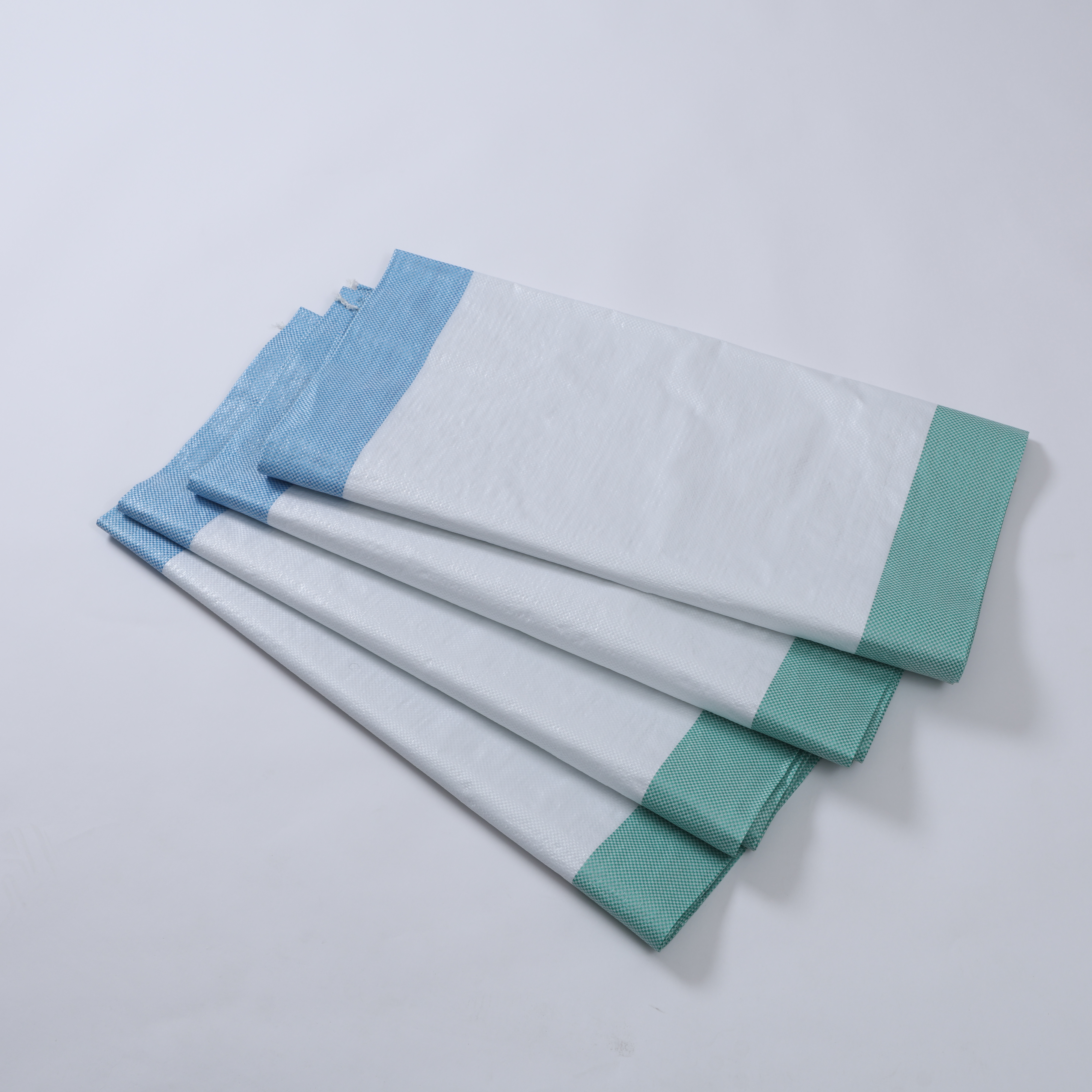
Moisture and mold contamination represent one of the most significant challenges in modern agricultural storage. Whether you manage livestock operations, grain facilities, or animal feed distribution networks, protecting your feed from environmental hazards directly impacts animal health and operational profitability. Understanding the anti mold treatment options available for feed packaging is essential for anyone responsible for storing or transporting animal feed bags across varying climate conditions.
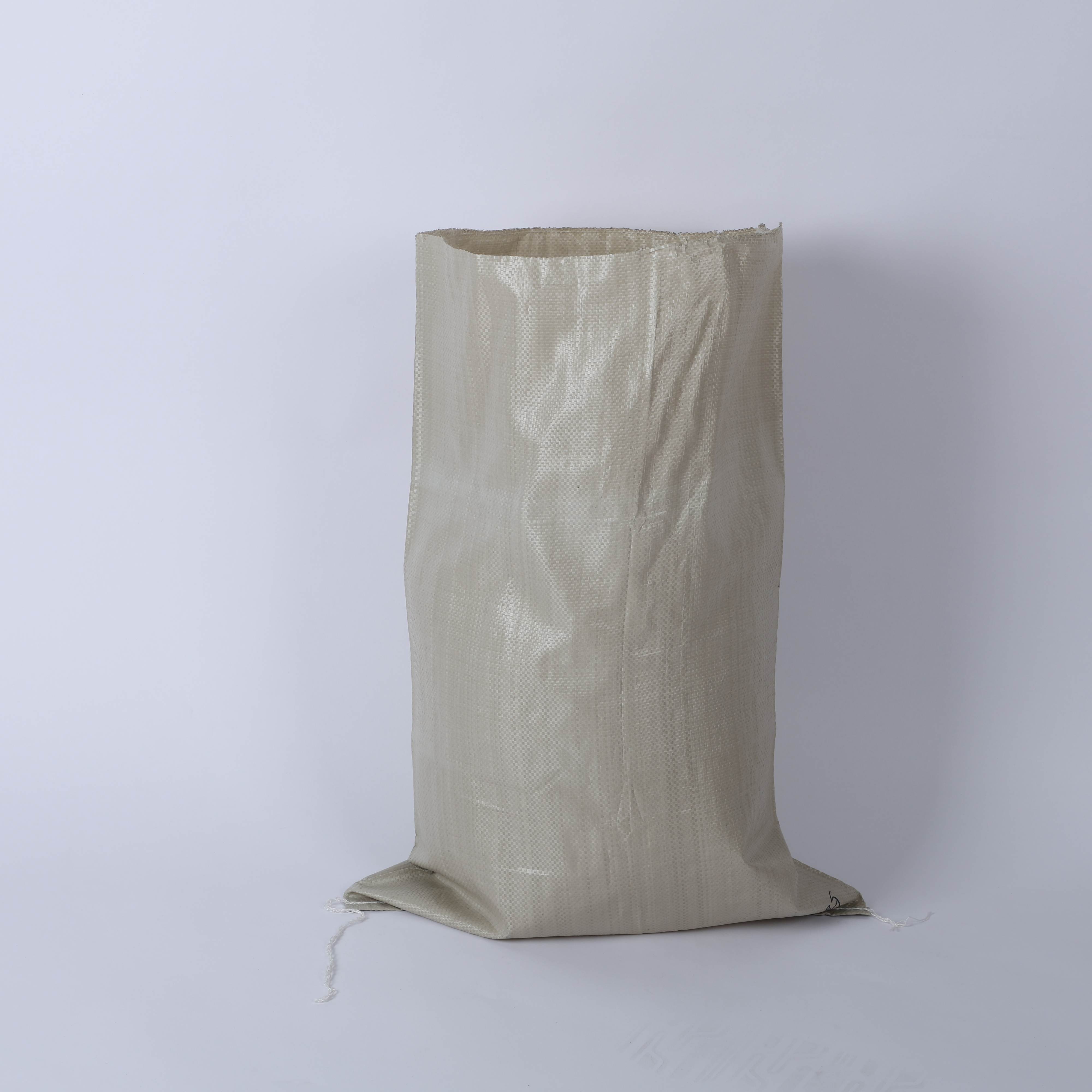
The investment in proper anti mold treatment for livestock feed bag systems goes beyond simple storage logistics. Mold growth in feed packaging compromises nutritional content, introduces mycotoxins that sicken animals, and creates costly waste that directly reduces profitability. Modern pp feed sack manufacturers and distributors now offer multiple treatment strategies tailored to different storage environments and operational scales. Each approach balances effectiveness, cost, regulatory compliance, and practical implementation within existing workflows.
Mold thrives in environments where relative humidity exceeds 65 percent and temperature fluctuates between 60 and 80 degrees Fahrenheit. Feed packaging bags, particularly animal feed bags stored in transitional zones or outdoor facilities, face continuous exposure to these conditions. When pp feed sack materials fail to provide adequate moisture barriers, water vapor penetration becomes inevitable during humid seasons or in climates near water bodies. The critical factor determining mold growth is not just initial moisture content but the duration of sustained dampness within the feed packaging bag environment.
Different livestock feed formulations carry varying susceptibility to mold colonization. Feeds with higher fat content, grain-based compositions, and protein-rich supplements create nutrient-dense environments where mold spores germinate rapidly once moisture reaches critical thresholds. The structure of feed particles also influences mold progression—finely ground feeds compact more densely within animal feed bag storage, creating anaerobic zones that paradoxically encourage certain mold species. Understanding your specific feed composition helps determine which anti mold treatment approach will deliver optimal protection for your livestock feed bag inventory.
Chemical-based treatments represent the most widely adopted solution in commercial livestock operations. Proprietary preservative blends, typically containing organic acids, propionic acid derivatives, or antifungal compounds, are either mixed directly into feed formulations or applied to the interior surfaces of pp feed sack materials before filling. These chemical treatments create hostile environments for mold spore germination by lowering pH levels or disrupting fungal cell membrane function. When properly applied to feed packaging bags, chemical inhibitors provide consistent protection across varying storage durations and climate conditions. The advantage of this approach lies in its proven efficacy and compatibility with existing feed manufacturing and animal feed bag filling equipment.
Modern feed packaging bag technology incorporates advanced barrier materials that physically prevent moisture infiltration. Multi-layer pp feed sack constructions combine woven polypropylene with laminated polyethylene layers or specialized coating technologies that reduce water vapor transmission rates to near-zero levels. For livestock feed bag applications requiring extended storage or tropical climate exposure, suppliers now offer premium packaging featuring integrated desiccant sachets or moisture-absorbing additives directly incorporated into the bag material itself. These physical solutions eliminate mold risk by preventing the moisture ingress that initiates fungal growth, making them particularly valuable for animal feed bags destined for high-humidity regions.
Advanced feed packaging bags increasingly employ modified atmosphere technology, where nitrogen flushing or oxygen-scavenging materials reduce oxygen concentration within sealed containers. Since mold requires oxygen for aerobic respiration and sporulation, oxygen reduction slows fungal metabolism and prevents active mold reproduction. This approach works synergistically with other anti mold treatments and proves especially effective for pp feed sack applications where long-term storage without chemical additives is preferred. Nitrogen-flushed animal feed bags can maintain protective atmospheres for months, providing insurance against mold emergence even if temperature or humidity fluctuations occur during transport or warehouse storage.
Selecting the appropriate anti mold treatment begins with honest assessment of your specific storage conditions. Climate analysis, facility ventilation capacity, storage duration, and existing infrastructure all influence which feed packaging bag solution delivers the best return on investment. Operations storing animal feed bags in climate-controlled facilities may prioritize cost-effective chemical treatments, while export-oriented livestock feed bag operations exposed to tropical humidity require premium barrier solutions. Temperature monitoring records and historical mold incident data within your feed packaging system provide objective criteria for comparing treatment options. Cost analysis should include not only material expenses but also labor integration, equipment compatibility, and risk mitigation value against documented historical losses.
Any anti mold treatment implemented within your feed bags must align with regulatory standards governing feed safety and animal health. Organic livestock operations require non-chemical or specifically approved preservatives, while conventional operations may utilize broader chemical options. Documentation and traceability become critical when pp feed sack treatments involve regulated substances, particularly in operations serving export markets with stricter residue monitoring requirements. Integrating mold prevention into your existing quality assurance system ensures consistent application, enables regulatory compliance verification, and creates institutional knowledge for staff training. Professional consultation with feed packaging specialists helps align treatment selection with your specific regulatory landscape.
Chemical preservative treatments integrated into feed formulations offer the most cost-effective approach for standard indoor warehouse storage of animal feed bags. When combined with basic ventilation and moisture monitoring, chemical inhibitors prevent mold emergence at per-unit costs typically 2-4 percent above untreated feed packaging. For many livestock operations, this modest cost premium represents exceptional value compared to losses from contaminated feed. However, operations seeking chemical-free options should evaluate physical barrier upgrades to pp feed sack materials, which increase packaging costs but eliminate ongoing chemical treatment expenses.
Chemical preservative effectiveness in feed bags generally lasts 6-12 months under standard storage conditions, gradually degrading through oxidation and microbial adaptation. Physical barrier treatments in premium animal feed bags provide protection for the entire storage period, potentially lasting years if moisture barriers remain intact. Modified atmosphere treatments in livestock feed bag systems maintain protective oxygen-reduced atmospheres for 4-8 months depending on seal integrity and ambient conditions. The appropriate timeframe depends on your typical feed packaging inventory turnover and storage duration.
Yes, combining multiple anti mold treatments creates synergistic protection that exceeds individual approach effectiveness. Many commercial operations use chemical preservatives as the primary treatment while upgrading to barrier-enhanced pp feed sack materials and incorporating desiccant sachets for maximum assurance. This layered approach to feed packaging provides redundancy—if one mechanism fails due to unexpected environmental stress, others continue protecting your animal feed bags. The cost increment for combining treatments must be justified through risk analysis of potential contamination losses and animal health impacts specific to your operation.

Discover the 4 critical production metrics—throughput, defect rate, equipment uptime & on-time delivery—to vet factories confidently.

Ensure regulatory compliance & worker safety with proven methods for chemical woven bags—material selection, labeling, storage & training.

Discover the full PP woven bag manufacturing workflow—from extrusion & weaving to printing & QC. Boost efficiency, compliance & ROI. Download the process guide now.

Struggling with weak bags or high material waste? Master extrusion and tape drawing tech for stronger, cheaper PP woven bags. Optimize your production line now.

Struggling with defects or customer returns? Discover the 5 non-negotiable quality checkpoints across your woven bag production line
Which automation tier is right for your PP woven bag factory? Compare manual to Industry 4.0 systems for cost, quality, and scalability.
Get in touch for details on polypropylene woven bags and flexible packaging solutions.
Tel
Address
No.2015, Liaoyuan Building, Lanshan District, Linyi City, Shandong Province.China

