 EN
How to Assess Production Efficiency at a PP Woven Bag Factory
Discover the 4 critical production metrics—throughput, defect rate, equipment uptime & on-time delivery—to vet factories confidently.

2026/08/12
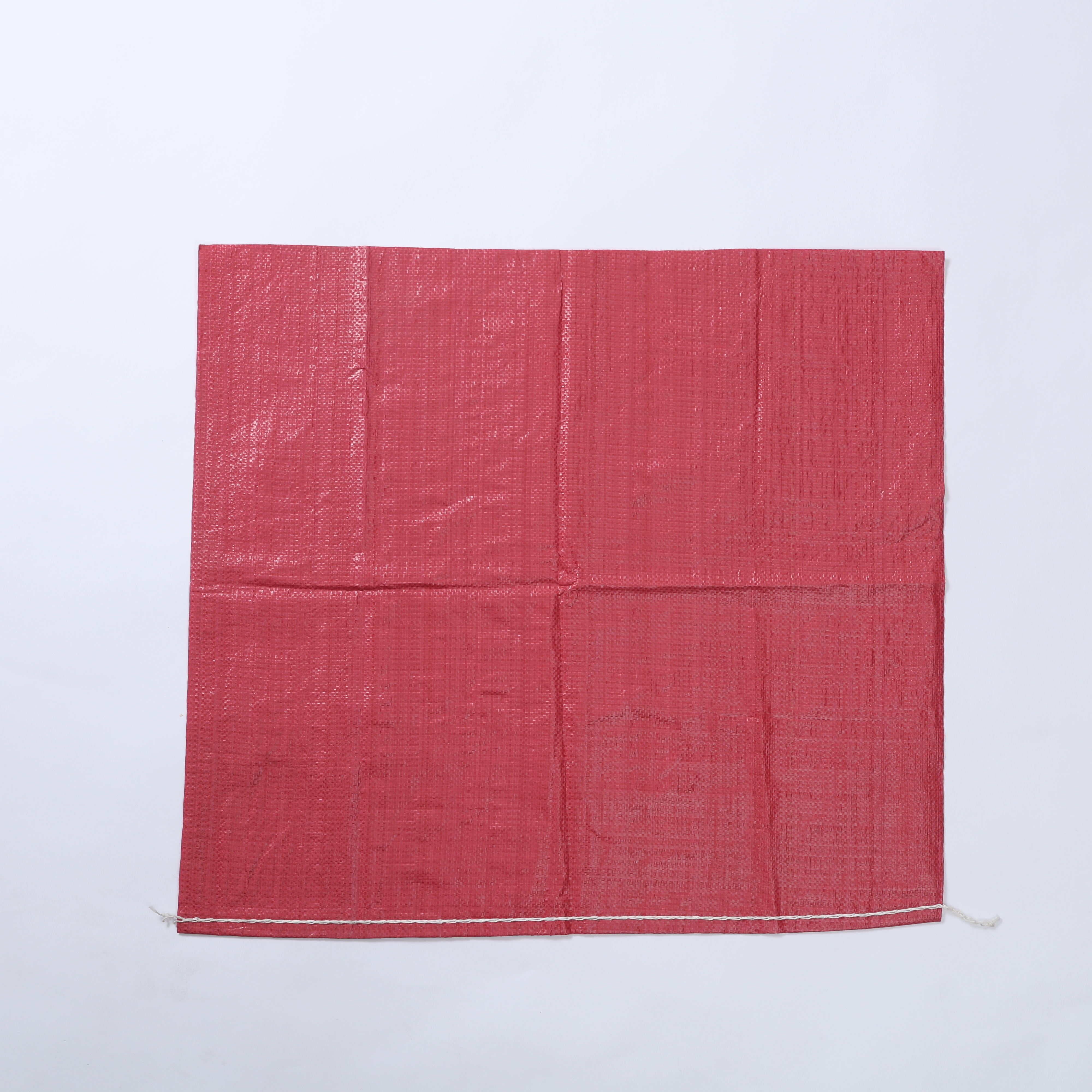
Maximizing productivity on a packaging bag production line is critical for manufacturers seeking competitive advantage and operational efficiency. In today's fast-paced manufacturing environment, even small improvements in line performance can translate to significant cost savings and increased revenue. A well-optimized packaging bag line not only produces more units per hour but also maintains consistent quality, reduces downtime, and minimizes waste. Understanding the practical strategies that drive productivity improvements allows manufacturers to make informed decisions about equipment upgrades, process refinements, and staffing adjustments.
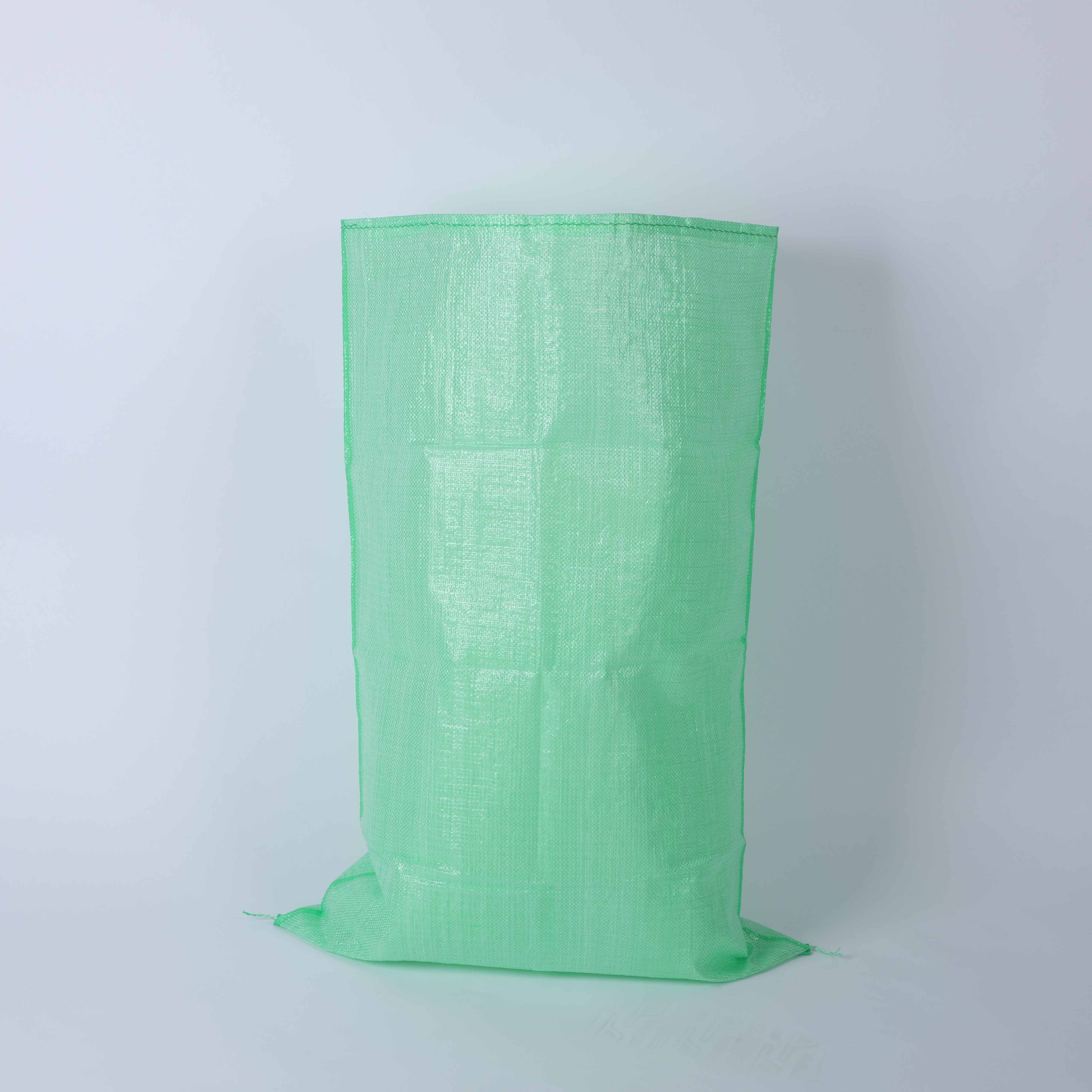
Productivity gains in industrial packaging bag operations depend on a combination of factors: equipment condition, operator skill, material quality, and process discipline. Whether you manage a pp packaging bag facility, operate a woven packaging sack production environment, or oversee a bulk packaging bag operation, the fundamental principles of productivity improvement remain consistent. This guide explores actionable strategies that address the most common bottlenecks in packaging bag manufacturing, helping you identify where improvements will have the greatest impact on your bottom line.
The foundation of any productive packaging bag line is reliable equipment. Preventive maintenance directly impacts how many hours your industrial packaging bag machinery operates without unplanned downtime. When a line breaks down, you lose not only production time but also incur troubleshooting costs and potentially disappoint customers with delayed orders. Establishing a systematic maintenance schedule—checking motor bearings, inspecting seal bars, cleaning filter systems, and lubricating moving parts—prevents catastrophic failures and extends equipment life. Many facilities discover that investing in quarterly deep maintenance actually costs less than managing emergency repairs, particularly for high-speed pp packaging bag and woven packaging sack equipment.
Modern packaging bag equipment allows operators to adjust production speed, but finding the optimal rate requires careful testing. Running a bulk packaging bag line too fast increases defect rates, rejects, and material waste, ultimately reducing net productivity. Conversely, operating below capacity leaves money on the table. The sweet spot typically emerges through trial runs where you track output quality, reject rates, and actual throughput. For industrial packaging bag lines, operators should document how defect rates change as speed increases, then select the speed that maximizes good-quality output rather than gross output. This data-driven approach often reveals that a slightly slower speed produces more acceptable bags per hour when waste is factored in.
The quality of incoming materials dramatically affects packaging bag line performance. Inconsistent resin quality, contaminated feedstock, or moisture-laden material creates production problems downstream. For pp packaging bag operations, verifying that raw material meets specifications before it reaches the hopper prevents line jams, quality defects, and production slowdowns. Establishing relationships with reliable suppliers of bulk packaging bag materials ensures consistency. Additionally, implementing proper storage conditions—controlling temperature and humidity—protects material integrity. Operators working with woven packaging sack equipment particularly benefit from material pre-drying, as moisture in polypropylene causes processing issues that halt production and require troubleshooting time.
Bottlenecks in material supply interrupt packaging bag production continuity. Efficient inventory management ensures that feedstock reaches the line without delays, allowing operators to maintain steady run times. For industrial packaging bag facilities, organizing material storage near production lines reduces handling time and labor costs. Implementing visual inventory systems helps operators quickly identify when supplies are running low, preventing line starvation. Bulk packaging bag operations benefit especially from dedicated material handling areas where incoming shipments are staged, inspected, and prepared for production use. This systematic approach eliminates the scrambling and downtime that occurs when operators must search for materials mid-shift.
Well-trained operators represent one of the highest-return investments in packaging bag line productivity. An experienced operator managing a pp packaging bag or woven packaging sack line recognizes early warning signs—subtle changes in sound, visual cues in bag appearance, or shifts in cycle time—that signal emerging problems. Trained operators also adjust parameters faster and with fewer mistakes, reducing trial-and-error adjustments that waste time and material. Investing in comprehensive operator training programs, including both hands-on equipment experience and theoretical understanding of process parameters, builds a team capable of maintaining consistent output. For industrial packaging bag operations, cross-training operators on multiple line functions ensures that one person's absence does not force the line to shut down.
Inconsistent operating procedures create hidden productivity losses across shifts and teams. Documented standard operating procedures for bulk packaging bag lines ensure that every operator starts the shift using the same proven approach. These procedures should specify startup sequences, normal operating parameters, trouble-response steps, and shutdown protocols. When procedures are clearly written and posted at workstations, new team members learn faster and experienced operators avoid drifting into inefficient habits. Regular audits of how procedures are followed, combined with feedback sessions, reinforce discipline. Facilities managing multiple packaging bag lines benefit from standardized procedures across all lines, which also simplifies troubleshooting and cross-line operator movement.
Track key metrics consistently: total output per shift, defect rates, changeover time, unplanned downtime hours, and material waste percentage. Compare these metrics before and after implementing changes to document actual improvement. For a pp packaging bag or industrial packaging bag line, calculating overall equipment effectiveness (OEE)—which combines availability, performance, and quality—provides a holistic productivity picture. Monthly trend reports help distinguish temporary fluctuations from genuine sustained improvements.
Conduct a time-study observation where you document how shift time is spent: actual production time, changeovers, material handling, maintenance stops, and quality checks. This breakdown quickly reveals where hours disappear. Many bulk packaging bag facilities discover that changeover time represents 15–25% of available time, making that an immediate improvement target. Interviews with operators also surface frustrations and inefficiencies that data alone might miss, providing context for prioritizing which bottleneck to address first.
Start with operational improvements on existing equipment. Enhanced maintenance, operator training, better material supply management, and process discipline typically cost far less than equipment replacement and often unlock 10–20% productivity gains. Only after you have maximized current equipment performance should you evaluate whether a new packaging bag line investment makes financial sense. Used equipment can sometimes fill capacity needs cost-effectively while you develop a business case for newer technology.

Discover the 4 critical production metrics—throughput, defect rate, equipment uptime & on-time delivery—to vet factories confidently.

Ensure regulatory compliance & worker safety with proven methods for chemical woven bags—material selection, labeling, storage & training.

Discover the full PP woven bag manufacturing workflow—from extrusion & weaving to printing & QC. Boost efficiency, compliance & ROI. Download the process guide now.

Struggling with weak bags or high material waste? Master extrusion and tape drawing tech for stronger, cheaper PP woven bags. Optimize your production line now.

Struggling with defects or customer returns? Discover the 5 non-negotiable quality checkpoints across your woven bag production line
Which automation tier is right for your PP woven bag factory? Compare manual to Industry 4.0 systems for cost, quality, and scalability.
Get in touch for details on polypropylene woven bags and flexible packaging solutions.
Tel
Address
No.2015, Liaoyuan Building, Lanshan District, Linyi City, Shandong Province.China

