 EN
How to Assess Production Efficiency at a PP Woven Bag Factory
Discover the 4 critical production metrics—throughput, defect rate, equipment uptime & on-time delivery—to vet factories confidently.

2026/09/04
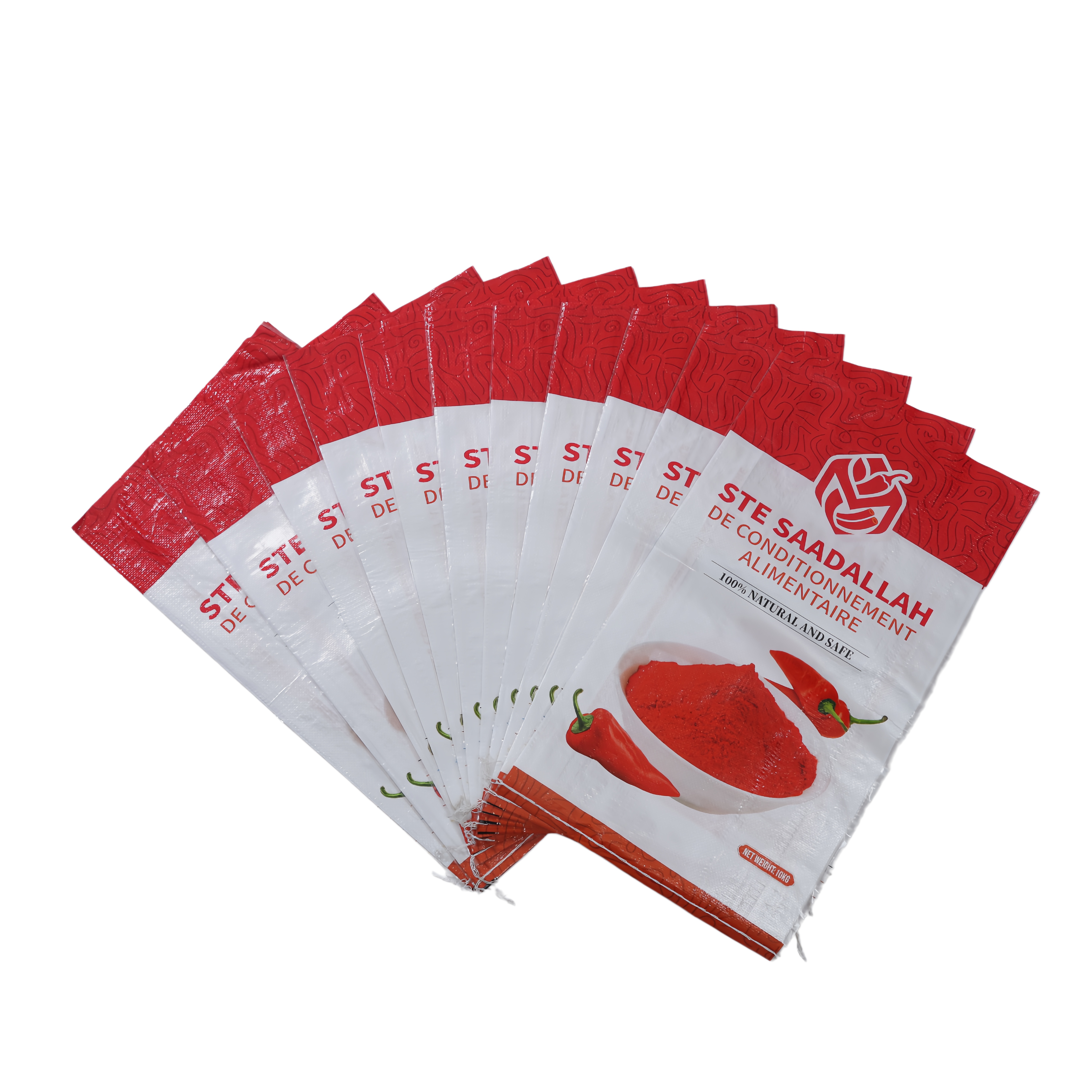
Producing consistent, high-quality laminated bags requires precise control over multiple process parameters working in tandem. Whether you're manufacturing laminated PP bags for food, agriculture, or industrial applications, the relationship between temperature, pressure, adhesive composition, and substrate preparation directly impacts final product performance. Small deviations in any single parameter can lead to delamination, wrinkles, poor seal strength, or moisture barrier failure. Understanding and optimizing these variables is essential for maintaining competitive quality standards while reducing waste and improving throughput.
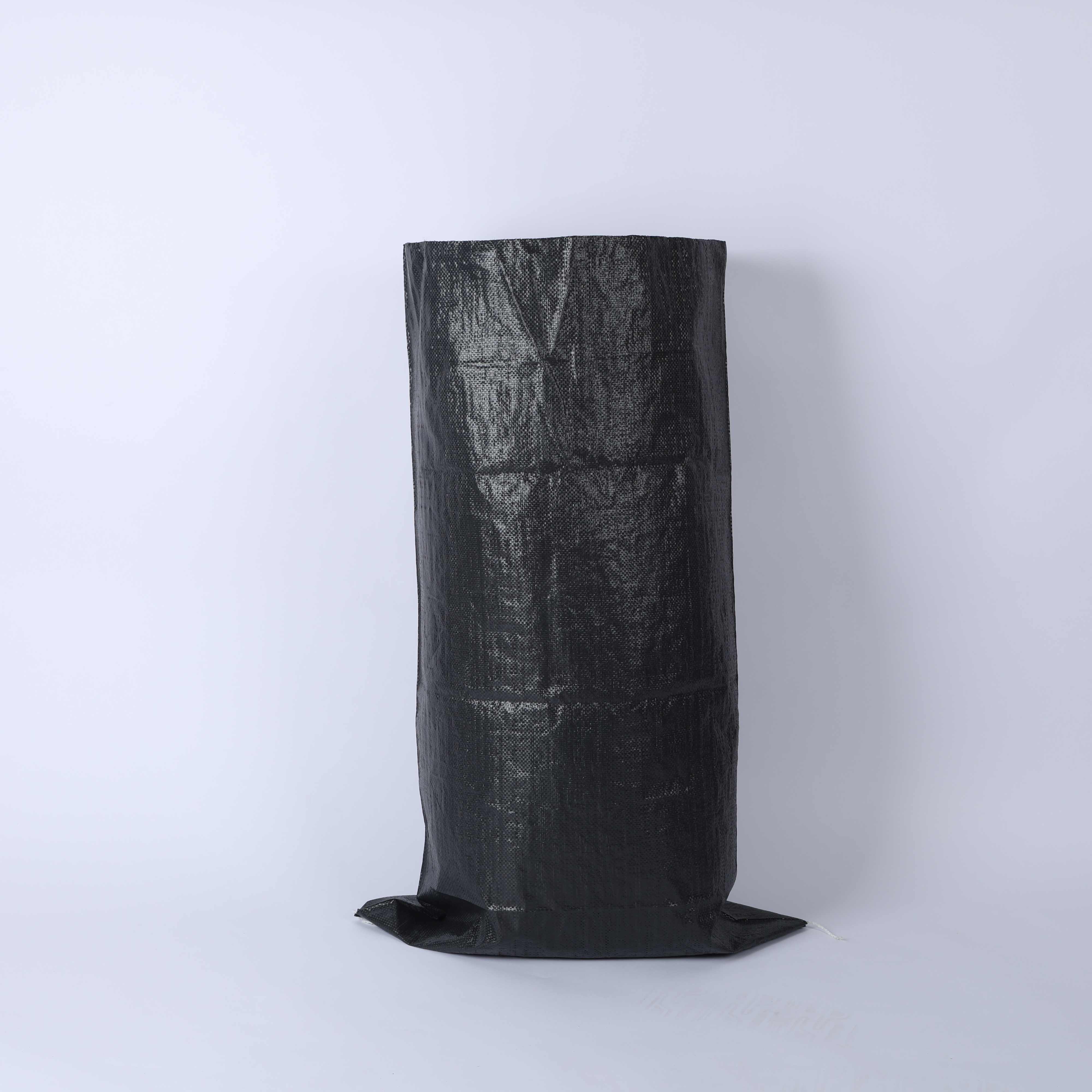
Industrial packaging demands are increasingly stringent, with buyers expecting laminated sack solutions that offer both durability and cost efficiency. A coated packaging bag produced under unstable conditions creates liability for both manufacturer and customer. By systematizing your lamination parameters, you establish reproducible quality that builds customer trust and reduces return rates. This guide walks you through the critical process variables, measurement strategies, and optimization techniques used by leading manufacturers to achieve superior moisture proof bag performance consistently.
Temperature is the most critical variable in lamination. The adhesive used in laminated PP bag production requires precise thermal activation to achieve proper flow and bonding without degrading the substrate or adhesive itself. If temperatures are too low, the adhesive remains tacky and fails to cure completely, resulting in weak bonds. If temperatures exceed specifications, the plastic substrate can shrink, warp, or discolor, while the adhesive may polymerize too quickly, trapping air bubbles.
Effective temperature management means calibrating your lamination equipment to maintain consistent heat across the entire web width. For most laminated sack applications, the nip temperature typically ranges from 80 to 120 degrees Celsius, depending on adhesive chemistry. Infrared thermometers, inline temperature sensors, and automated control systems enable real-time monitoring. A moisture proof bag manufacturer should conduct regular temperature profiling studies to identify any hot or cold spots along the roller assembly.
Pressure drives the adhesive into the substrate fibers, ensuring molecular contact and bonding. The nip roll pressure must be sufficient to achieve intimate contact without compressing the material excessively. For a coated packaging bag, typical nip pressures range from 2 to 8 bar, depending on substrate thickness, adhesive viscosity, and desired bond strength. Too little pressure results in incomplete wetting and weak lamination; too much pressure can crush the substrate structure, reducing tear resistance and printability.
Pressure uniformity across the nip is equally important. Uneven pressure creates streaks and weak zones in laminated bags. Pressure profiling using pressure-sensitive film or electronic sensors helps identify deviations. Regular nip roll maintenance—cleaning, alignment, and surface condition monitoring—prevents pressure anomalies that degrade final product consistency.
The choice of adhesive fundamentally determines laminated PP bag performance. Polyurethane (PU) and polyester-based adhesives are industry standards, each offering distinct advantages. PU adhesives provide excellent flexibility and moisture resistance, making them ideal for moisture proof bag applications. Polyester adhesives offer superior heat and chemical resistance. Your adhesive selection must align with your substrate type, end-use environment, and performance requirements.
Substrate surface preparation directly influences adhesive bonding. PP film surfaces are inherently hydrophobic, requiring corona or flame treatment to improve adhesive wetting. A laminated sack manufacturer typically applies corona discharge to the substrate before lamination, creating polar surface groups that enhance adhesion. Without proper pretreatment, even the best adhesive cannot achieve strong, durable bonds on coated packaging bag substrates.
The amount of adhesive applied per unit area critically affects both performance and cost. Application rates typically range from 8 to 25 grams per square meter, depending on substrate porosity and desired bond strength. Excessive adhesive increases material cost and can cause bleed-through or surface stickiness; insufficient adhesive results in weak lamination and potential delamination during storage or use. Precision coating equipment such as kiss-roll applicators or curtain coaters ensures consistent application across the entire laminated bags production run.
Monitoring coat weight in real-time using laser or nuclear gauging systems prevents drift and waste. Many manufacturers maintain application rate variation within plus or minus 10 percent of target, ensuring that every moisture proof bag meets performance specifications without over-application waste.
Modern laminated PP bag production relies on continuous monitoring of critical parameters. Inline sensors measure web temperature, pressure, tension, and coating weight at multiple points. Any deviation triggers alarms, allowing operators to make immediate corrections before defects propagate downstream. Automated data logging creates records that support traceability and enable root cause analysis when quality issues occur.
Peel strength testing, moisture vapor transmission rate (MVTR) analysis, and tear strength evaluation should be conducted on samples from each production batch. These destructive tests confirm that laminated sack bonding and barrier performance meet specification. Establishing statistical process control (SPC) charts for each key parameter helps identify trends before they cause out-of-specification production, reducing scrap and customer complaints.
Systematic optimization requires structured experimentation. Design of experiments (DOE) methodology allows manufacturers to test multiple parameter combinations efficiently, identifying the optimal settings for specific adhesive and substrate pairs. A laminated bags manufacturer might run factorial experiments varying temperature, pressure, and adhesive rate simultaneously to quantify individual effects and interactions. The resulting response surface maps show which parameter combinations deliver the target peel strength, flexibility, and moisture proof bag performance.
Regular process audits and operator training reinforce the importance of parameter discipline. Environmental factors such as humidity and ambient temperature also influence lamination; temperature-controlled production areas help maintain consistency. By treating lamination as a controlled process rather than an art, manufacturers ensure that every coated packaging bag meets customer expectations reliably.
Delamination typically results from inadequate initial bonding due to low nip temperature or pressure, or from post-production moisture ingress that weakens the adhesive. Ensuring proper lamination process parameters and storing moisture proof bag products in climate-controlled environments with low humidity prevents this issue. Additionally, selecting humidity-resistant adhesives and conducting edge-sealing treatments helps maintain laminated sack integrity over extended storage periods.
Different adhesive chemistries offer different benefits. Polyurethane adhesives provide superior flexibility and moisture resistance, ideal for coated packaging bag applications requiring excellent moisture proof bag performance. Polyester adhesives deliver better heat and chemical resistance. The choice depends on your specific end-use; manufacturers should test candidate adhesives under relevant operating conditions to confirm performance before full production adoption.
Key metrics include peel strength (measured in N/25mm), moisture vapor transmission rate, tear strength, and appearance (wrinkles, bubbles, color consistency). In-process parameters such as nip temperature, pressure, adhesive coat weight, and web tension should be logged continuously. Additionally, tracking scrap rates, customer complaints, and return rates provides early warning of process drift or adhesive batch variability affecting laminated bags quality.

Discover the 4 critical production metrics—throughput, defect rate, equipment uptime & on-time delivery—to vet factories confidently.

Ensure regulatory compliance & worker safety with proven methods for chemical woven bags—material selection, labeling, storage & training.

Discover the full PP woven bag manufacturing workflow—from extrusion & weaving to printing & QC. Boost efficiency, compliance & ROI. Download the process guide now.

Struggling with weak bags or high material waste? Master extrusion and tape drawing tech for stronger, cheaper PP woven bags. Optimize your production line now.

Struggling with defects or customer returns? Discover the 5 non-negotiable quality checkpoints across your woven bag production line
Which automation tier is right for your PP woven bag factory? Compare manual to Industry 4.0 systems for cost, quality, and scalability.
Get in touch for details on polypropylene woven bags and flexible packaging solutions.
Tel
Address
No.2015, Liaoyuan Building, Lanshan District, Linyi City, Shandong Province.China

